
Vandaag of morgen in huis

Kwaliteit gegarandeerd

Welkomstaanbiedingen ontgrendelen: GRATIS bezorging | Tot 80% korting | Gratis 30 dagen JoyPlus-proefperiode
Download de app
A good chicken sauce can add plenty of flavour to a simple meal from the pan, oven, air fryer or barbecue. Yet the first bottle you see online isn’t always the right choice. The difference often lies not just in sweet, spicy or savoury, but also in the application, ingredients, portion size and storage instructions.
As a Joybuy Product Recommendation Officer, I filter product information based on practical points. This way, you can compare marketing claims with verifiable data and make a more informed decision when you buy chicken sauce.
Not every sauce for chicken is suitable for marinating. A thick sticky chicken sauce is designed to cling to the meat, whereas a stir-fry sauce usually already contains vegetables and a complete flavour base. A dipping sauce, on the other hand, can be too thin or too sweet for oven use.
So check whether the product description explicitly states that the sauce is suitable for marinating, basting, stir-frying, grilling, air frying or dipping.
Many ready-made sauces contain sugar, glucose syrup or syrup. That isn’t automatically a problem, but it does affect the taste and how you use it. For example, Go-Tan Sticky Chicken Yakitori Sauce contains 31 grams of sugars per 100 grams according to the product information. Go-Tan Korean Sticky Chicken BBQ Sauce lists 39 grams of sugars per 100 grams.
If you’re looking for a less sweet sauce, it’s better to look for a soy sauce base, chicken seasoning, or a sauce where chilli, garlic and spices are clearly prominent.
Many Asian sauces contain soya, wheat and gluten. Sesame is also frequently present. A satay sauce typically contains peanut and may also contain egg. So read the allergen information on the product page before ordering, and always check the label upon receipt. The packaging is definitive if product information changes.
First, decide what dish you want to make:
Also pay attention to the usage instructions. Some products are ready to use straight away, whereas a seasoning or spice base first needs to be heated or mixed with water.
A 200 to 250 ml bottle works well for occasional use or a household that wants to try different flavours. Larger packs of 380 to 730 ml are more practical for families, parties or regular stir-frying and grilling.
Compare the contents with your recipe. Chicken Tonight Hawaiian Stir-Fry Sauce at 515 grams is intended for three to four people according to the product description. This way, you avoid opening too much sauce and having to throw it away later.
Check the nutritional values per 100 grams, especially for sauces you pour generously over chicken. Kikkoman Teriyaki BBQ Sauce With Honey lists 5,700 mg sodium per 100 grams according to the product information, while LEE KUM KEE Soya Sauce for Chicken lists 13.7 grams of salt per 100 grams. So use such sauces sparingly and don’t automatically add extra salt.
Also check specifically for:
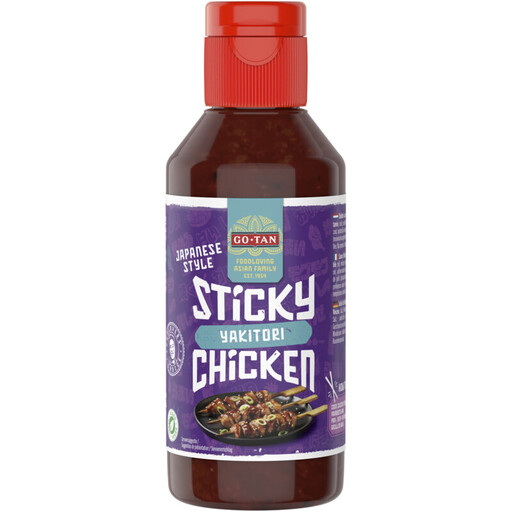
Why this fits the profile: This ready-to-use sauce requires little preparation and can be used cold or warm with chicken from the oven, air fryer or pan, according to the product description.
The application is clearly described as a sticky sauce for chicken. This means you don’t need to add a separate marinade or thickener.
220 ml, can be used hot or cold and is suitable for oven, air fryer, pan and serving at the table. Contains soya and wheat.
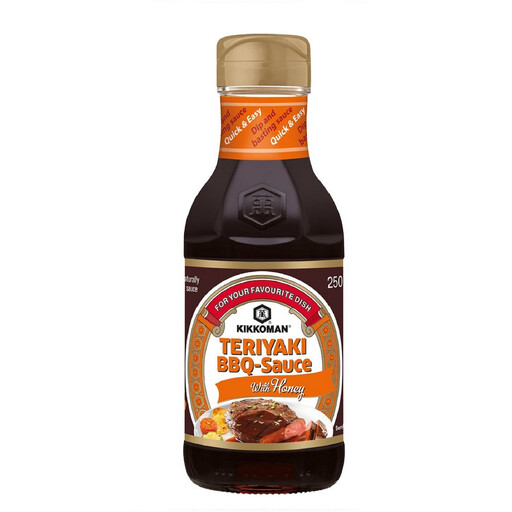
Why this fits the profile: A versatile Japanese teriyaki sauce for consumers who want one product to use as a flavour enhancer, marinade, dipping sauce and cooking sauce.
The product description mentions multiple applications, so you don’t have to buy the sauce for just one cooking method.
250 ml, naturally brewed and free from artificial colours, flavourings or preservatives according to the product information. Contains soya and wheat.
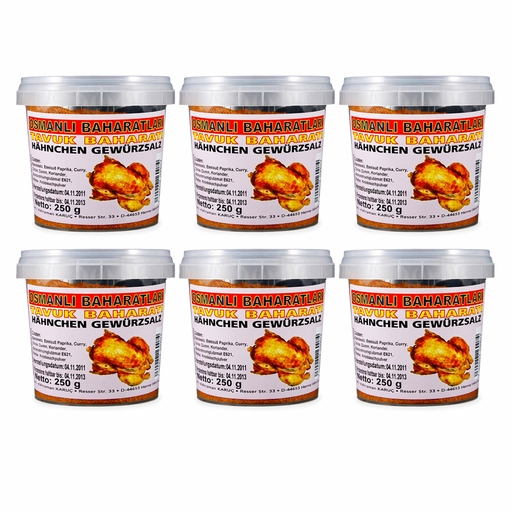
Why this fits the profile: These chicken seasonings are ideal for regular grilling, frying, marinating or roasting and come in a 250 gram pack.
You decide how much oil, yoghurt or liquid to add. This gives you more control than a pre-sweetened sauce.
250 grams, suitable for multiple cooking methods and free from the 14 main EU allergens according to the product information.
Cut chicken breast or thigh into equal pieces so that cooking is even. When marinating, use a sealed container in the fridge and keep raw chicken separate from cooked products. Any sauce that has been in contact with raw chicken should not be reused as a dipping sauce unless you heat it through thoroughly first.
With a sauce for grilled chicken, it’s often wise to baste generously only towards the end. Due to the sugar content, sweet sauces can darken more quickly in a hot pan, oven or barbecue. When stir-frying, add the chicken and vegetables first, then briefly stir the sauce through the dish.
We’ve put together a full, up-to-date list of products that fully meet these strict selection criteria and comply with current European safety regulations.
Choose a product whose description explicitly mentions the air fryer, such as a sticky chicken sauce. Apply a thin layer and add a little more sauce later if needed. This reduces the risk of the outside becoming too dark too quickly.
Yes, when the product information lists marinating as an application. Kikkoman Teriyaki BBQ Sauce With Honey and SONOKO Teriyaki Marinade are offered for this purpose, among others, according to their product descriptions. Do check for soya and wheat allergens and keep raw chicken refrigerated.
This varies by product. Some Go-Tan sauces list a shelf life of three months after opening at room temperature, according to the product information. Other products must be refrigerated after opening. Always follow the instructions on the label and check the smell, colour and packaging before use.
