
Vandaag of morgen in huis

Kwaliteit gegarandeerd

Welkomstaanbiedingen ontgrendelen: GRATIS bezorging | Tot 80% korting | Gratis 30 dagen JoyPlus-proefperiode
Download de app
The right sauce can transform a good piece of chicken into a spectacular meal. But the sauce aisle is vast, and not every bottle lives up to its promise. The wrong choice can lead to a chicken dish that's too salty, too sweet, or simply bland. As a Joybuy Product Recommendation Officer, I'm here to help you cut through the marketing noise and find a chicken sauce that truly complements your cooking style.
Before you toss a random bottle into your cart, it's wise to consider a few common pitfalls.
yakitori sauce or Korean fried chicken sauce.sauce for chicken should support and enhance the meat's taste, not hide it under an overload of sugar or artificial flavors.To avoid a bad buy, it's smart to look at a few specific details on the label. These are the factors that truly distinguish a great sauce from a mediocre one.
The nutrition label is your most important tool. A sticky chicken sauce or sweet chili sauce will naturally contain sugar, but the ratio is crucial.
Not every sauce for chicken is the same. Its texture determines its ideal use.
sticky chicken sauce. They are designed to cling to the chicken during the final stages of cooking or stir-frying, forming a glossy, flavorful coating.sweet chili sauce is a perfect example.The flavor is determined by the base ingredients. For Asian-style sauces, these often include:
yakitori sauce.Korean fried chicken sauce and sweet chili sauce.sticky texture.A good chicken broth can also serve as a neutral, savory base for making your own sauce.
Below are a few popular choices, matched to different cooking styles and needs.
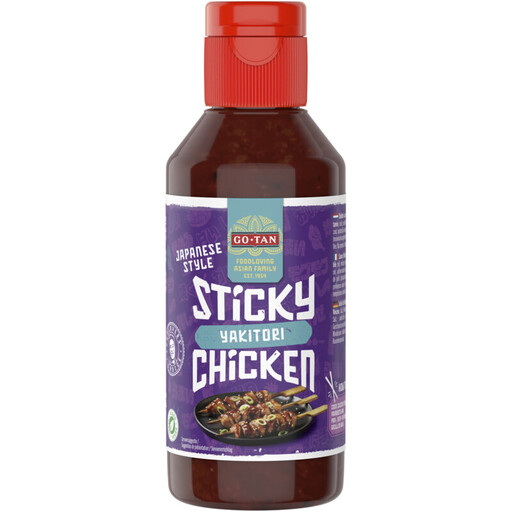
Why This Fits Their Persona: Ideal for those who want to put a flavorful meal on the table quickly after a long day. This sauce is ready to use straight from the bottle in a pan, oven, or air fryer, and it quickly gives chicken that coveted sticky glaze without hours of marinating.
This isn't a vague "Asian" sauce, but a specific sticky chicken sauce with a clear purpose. The flavor is a balanced sweet-and-savory, not one-dimensional, so it complements the chicken rather than overpowering it.
Can be used hot or cold, making it versatile as a glaze, stir-fry sauce, or even a dipping sauce. The texture is specifically designed to adhere well to chicken.
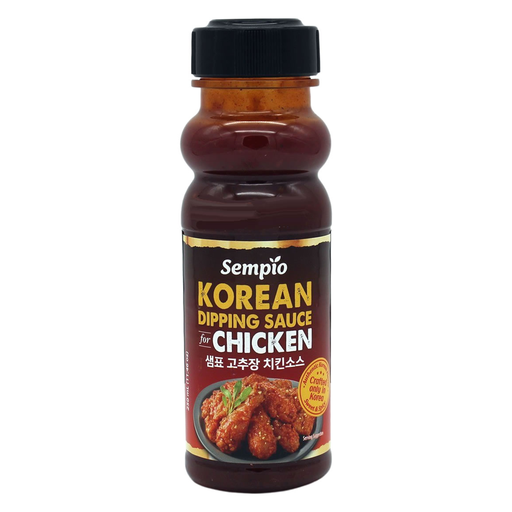
Why This Fits Their Persona: For the home cook who wants to recreate a specific and popular dish like Korean fried chicken. This sauce provides the signature sweet and spicy flavor needed for a successful result.
This product avoids the 'authentic' marketing trap by actually being from a well-known Korean brand (Sempio). The flavor is complex and based on ingredients like gochujang (chili paste), not just sugar.
Specifically developed for making Korean fried chicken, which eliminates guesswork. Its thick consistency adheres perfectly to fried chicken for a glossy and flavorful coating.
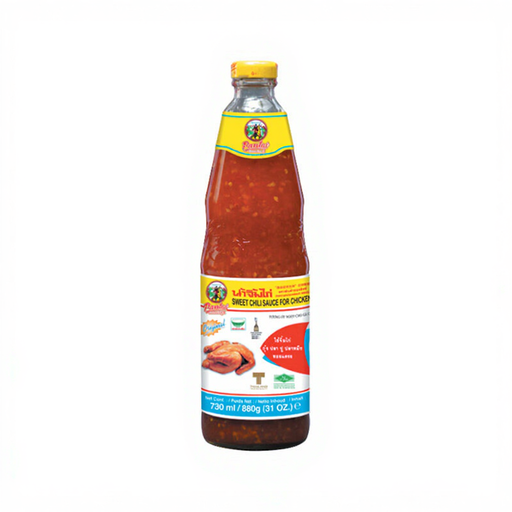
Why This Fits Their Persona: Perfect for families or anyone who uses sweet chili sauce regularly. This large bottle is a practical and economical choice for a versatile sauce that works with much more than just chicken.
This sauce avoids the 'bottle that gathers dust' pitfall. With its classic, widely applicable flavor and large size, it's a deliberate pantry staple rather than an impulse buy for a single dish.
The large 730 ml bottle offers excellent value for money. Its mild, sweet-and-spicy flavor is approachable and works perfectly as a dipping sauce for chicken, spring rolls, or other snacks.
We've compiled a complete, up-to-date list of products that meet these selection criteria.
A chicken marinade is typically thinner in consistency and often contains an acidic ingredient (like vinegar or lemon juice). Its purpose is to penetrate the meat to tenderize it and add flavor from the inside out. A sauce for chicken is usually thicker and is used to coat the outside of the chicken during or after cooking, for example, as a glaze or dipping sauce.
Shelf life varies greatly by product. Always check the label for specific instructions. In general, sauces based on sugar, salt, and vinegar (like sweet chili or yakitori sauce) can be stored for several months in the refrigerator after opening. Sauces with fresh ingredients or dairy have a much shorter shelf life.
Absolutely. A good chicken broth is an excellent, neutral base for a homemade sauce. You can reduce the broth to concentrate its flavor, thicken it with a bit of cornstarch, and then season it with ingredients like soy sauce, garlic, ginger, or herbs. This gives you complete control over the salt and sugar content.
