
Vandaag of morgen in huis

Kwaliteit gegarandeerd

Welkomstaanbiedingen ontgrendelen: GRATIS bezorging | Tot 80% korting | Gratis 30 dagen JoyPlus-proefperiode
Download de app
Fancy a quick bowl of chicken noodle soup, but getting lost among Korean ramen, Indomie chicken noodles and large boxes? With chicken instant noodles, eye-catching packaging does not always tell you enough about the flavour, portion size or preparation method. Three common pitfalls are particularly worth watching out for:
A standard pack often contains between 55 and 140 grams. You will notice the difference when you are preparing a quick lunch or adding egg, vegetables or tofu to the noodles. When choosing a chicken instant noodle multipack, look at:
A box with 30 portions of 55 grams is particularly practical if you want to build up your stock or serve several people. For a more substantial meal, a portion of 120 to 140 grams may make more sense.
Not every chicken noodle is a noodle soup. Indomie Chicken Flavor and various Asian instant noodles are prepared with stock. Other varieties, such as Buldak Carbonara, are mostly drained after cooking and mixed with sauce.
So first decide whether you are looking for:
The cooking time is often around three to five minutes, but always follow the instructions on the pack. For a product such as NongShim Shin Ramyun, for example, a cooking time of four to five minutes is specified.
Wheat and soya are commonly found in chicken instant ramen. Some varieties also contain milk, sesame, celery or other allergens. Read the current packaging before buying, particularly if you need to take an allergy or intolerance into account.
Nutritional values also vary by brand and flavour. In the product information provided, for example, the salt content varies considerably per 100 grams. This makes comparing products more important than simply looking at the flavour name. A flavour such as “chicken” also does not automatically indicate how much chicken the product contains.
Store dry noodles in a cool, dry place away from direct sunlight. Do not use a pack if it is damaged, and check the best-before date on the individual sachets and outer packaging.
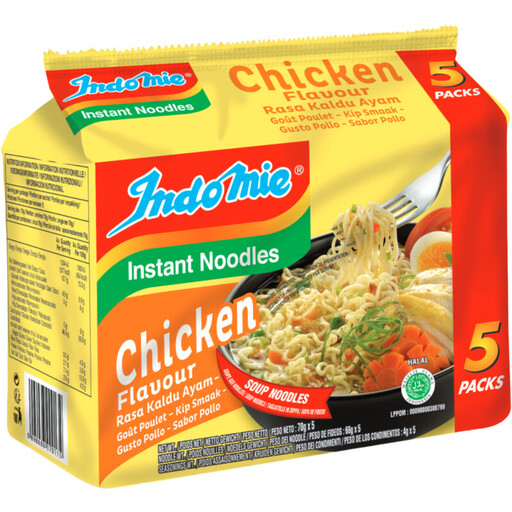
Why it suits this profile: A compact pack with five portions is easy to understand for anyone trying chicken noodles for the first time or looking for an occasional quick meal.
The number of sachets and the weight per portion are clearly stated, so you do not have to rely on the front of the pack alone.
70 grams per sachet, five individual portions and preparation with hot water and seasoning mix.

Why it suits this profile: Ideal for fans of thick Korean ramen combining spicy chicken flavour with a creamy carbonara sauce.
The product information explicitly states that the noodles are drained and mixed with sauce. So you are not buying an ordinary chicken stock.
130 grams per portion, five packs and, according to the ingredients list, wheat, soya and milk among other ingredients.
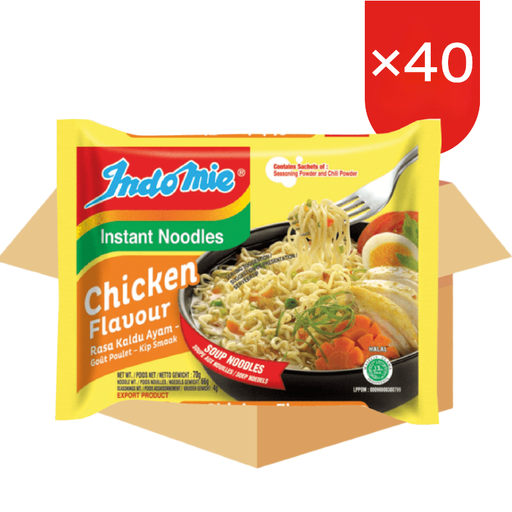
Why it suits this profile: A large pack of instant noodles is practical for offices, shared student houses, catering or keeping a generous supply at home.
The box contains 40 individual portions of 70 grams. This makes it easy to portion out your supply and prepare one serving at a time.
40 portions, chicken soup prepared with boiling water and a stated cooking time of approximately three to four minutes.
We have compiled a complete, up-to-date list of products that fully meet these strict selection criteria and the applicable European safety regulations.
Follow the instructions on the pack. For soup noodles, you usually add the noodles and seasoning to boiling water and cook them for a few minutes. With dry or Korean varieties, drain off some of the water and stir in the sauce. You can add vegetables or an egg if you like, but remember to allow extra preparation time.
The best-before date is shown on the packaging. Store unopened sachets in a cool, dry place away from direct sunlight. With a large pack, it is best to keep the individual portions sealed until you are ready to use them. Always check the current labelling, as product information and best-before dates may vary between deliveries.
That depends on the level of seasoning and the individual’s tolerance. Samyang Buldak, Korean ramen and other spicy chicken noodles can be considerably hotter than ordinary chicken ramen. Check the ingredients and, if necessary, start with a smaller amount of sauce or seasoning mix.
