
Vandaag of morgen in huis

Kwaliteit gegarandeerd

Welkomstaanbiedingen ontgrendelen: GRATIS bezorging | Tot 80% korting | Gratis 30 dagen JoyPlus-proefperiode
Download de app
Chicken instant noodles are a handy option for a quick meal, lunch at the office, or a store-cupboard staple. Yet the choice online can often seem simpler than it really is. A large box might look like good value, but the flavour may not suit you. What’s more, an attractive packet can push important details about spiciness, allergens or cooking method into the background.
With this guide, you can compare instant chicken noodles on specific points. That way, you’ll make a more informed choice between cup noodles, sachets, multipacks and bulk packs from Japan, Korea, Thailand and Indonesia.
A box of 30 or 40 portions might automatically seem better value. First, check the weight per portion and work out the price per 100 grams. A 55g sachet is a very different meal from a 130g pack. Also consider whether you want the noodles as a snack, a light lunch, or a full quick meal.
Chicken can refer to a mild broth, teriyaki sauce, fried Indonesian noodles, or a very spicy Korean sauce. If you’re expecting a gentle flavour, you could be disappointed by spicy chicken noodles. So look out for words like spicy, hot, volcano, carbonara and teriyaki in the product name and cooking instructions.
Many Asian instant noodles contain wheat and gluten. In addition, soya, sesame, milk, celery, fish or shellfish are common in seasoning mixes. Always check the actual packaging before eating, especially if you have an allergy or intolerance. The online product information may differ from the pack.
For occasional use, individual sachets or a 5-pack are practical. If you eat noodles regularly, you might look at bulk instant noodles, such as 20, 30 or 40 portions. Bear in mind the storage space: a 3.2kg box takes up considerably more room than a few cups.
A multipack is especially handy when you already know which flavour you enjoy. If you’re unsure, a smaller pack is the wiser choice. That way, you avoid a large stock going unused.
Not every pack works the same way:
A cup is convenient for the office or on the go, while a sachet gives you more scope to add egg, vegetables or tofu.
Japanese instant noodles are often recognisable by their mild broth, chicken and ginger flavour, or teriyaki. Korean instant noodles in the range usually mean sturdier noodles and a distinctly spicy sauce. Indonesian instant noodles can be prepared as a soup or as a dry mi goreng. Thai instant noodles often have a fragrant chicken base.
Also check the nutritional information per portion. Some products contain around 3 to 5 grams of salt per 100 grams according to the product information provided. That makes the portion size and the amount of seasoning mix you use relevant to your choice. The values can vary by variant and pack.
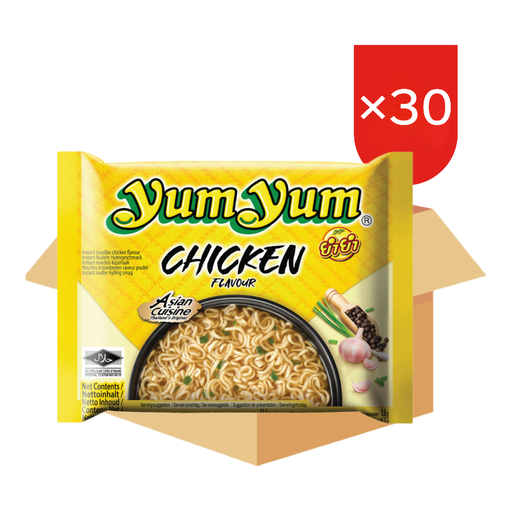
Why this fits the profile: The bulk pack contains 30 sachets of 60 grams. That’s practical for students, families, or a store cupboard that regularly needs a quick meal.
The number of portions and the weight per sachet are clearly stated. However, do check the ingredients: the product information lists wheat, soya and possible traces of fish, milk, celery and sesame.
30 individual portions, chicken flavour and a pack suitable for storage, the office or catering.
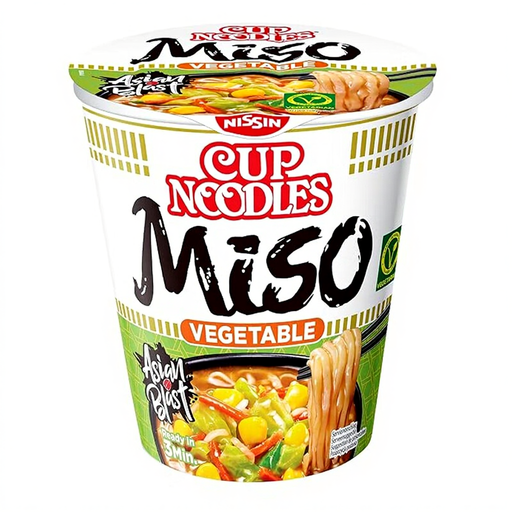
Why this fits the profile: This Japanese cup variety combines wheat noodles with teriyaki sauce, chicken and dried vegetables. It’s prepared directly in the cup with boiling water and takes around 3 minutes according to the product description.
The flavour direction is specifically named as teriyaki chicken. This makes the choice clearer than a general “chicken flavour” label. Check the allergens on the actual packaging before purchase.
8 cups of 67 grams, preparation in the packaging and a mild Japanese teriyaki orientation.
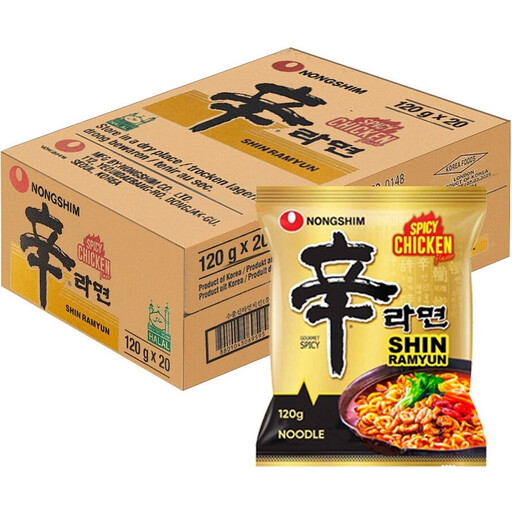
Why this fits the profile: The box contains 20 portions of 120 grams. The product information mentions a spicy Korean broth, sturdy wheat noodles, spices and dried vegetables.
The spiciness is explicitly stated, so this won’t be an unexpected flavour choice. The packaging lists allergens such as gluten and soya; the product information also mentions possible other traces.
20 generous portions of 120 grams, sturdy noodles and a clearly spicy Korean flavour profile.
We’ve put together a full, up-to-date list of products that fully meet these strict selection criteria and comply with current European safety regulations.
Follow the instructions on the packet. For a cup, pour boiling water up to the indicated line and close the lid. For a sachet, you sometimes use a bowl or pan. Leave the noodles to stand for the recommended time and check they are completely soft and hot. Be careful with steam, boiling water and the hot packaging.
Check the date and storage advice on the packaging. Store unopened noodles in a cool, dry place away from direct sunlight. Do not use a packet if it is damaged, swollen or damp. Once opened, it’s best to use the contents quickly.
That depends on the portion size and your own needs. A portion can be practical as a quick meal or snack, but the nutritional values vary greatly from product to product. You can supplement the noodles with vegetables, egg or another topping. When doing so, check the allergens and cooking instructions again.
