
Vandaag of morgen in huis

Kwaliteit gegarandeerd

Welkomstaanbiedingen ontgrendelen: GRATIS bezorging | Tot 80% korting | Gratis 30 dagen JoyPlus-proefperiode
Download de app
Anyone searching for chicken instant noodles is usually looking for something hot to eat quickly, without pans, shopping or complicated preparation. However, chicken noodles vary considerably in size, preparation, flavour profile, allergens and price per portion. A single cup can be convenient at work, while a multipack makes more sense for students, families or stocking the cupboard.
The product information on the packaging is always the final authority. Always check the ingredients, allergens, nutritional values and best-before date before ordering or using the product.
A large box often looks like good value, but portion sizes can vary. So don’t just compare the price of a pack; also compare the number of portions and the weight per portion. A box containing 30 sachets of 74 grams is not directly comparable with eight 60-gram cups.
A smaller pack is practical for occasional use. If you regularly eat noodles as a quick meal, a multipack of instant noodles means you won’t need to reorder as often.
With chicken instant noodles, the description often refers to the flavour of the seasoning mix. Some products list chicken flavouring or chicken powder, while others also mention chicken pieces or chicken fat. Read the ingredients list if you are specifically looking for chicken as an ingredient.
Claims about flavour or origin are not the same as objective product specifications either. According to a brand’s product description, for example, a flavour may be presented as Japanese, Indonesian or teriyaki. This mainly indicates the chosen flavour style, not necessarily the preparation method or nutritional value.
Don’t just look at the noodles themselves. Seasoning powder, oil sachets and soya sauce powder may contain wheat, gluten, soya, sesame, peanuts, milk or shellfish, among other ingredients. Some products also state that they are made in an environment where other allergens are processed.
Check the current packaging with every purchase, especially if you have an allergy or intolerance. Online product information can change, and the packaging may contain more detail than the product page.
Most classic chicken noodles and Indomie chicken noodles are made from wheat flour. Chicken rice noodles have a different texture and are often combined with stock, oil and a vegetable mix. They may appeal if you are looking for a different mouthfeel, but rice noodles are not automatically free from all allergens.
Look out for terms such as wheat flour, rice noodles, soy lecithin and soy sauce powder. Seeing “rice” on the front of the pack is no substitute for checking the complete ingredients list.
A sachet usually requires a bowl and boiling water. A cup or bowl is more convenient when eating on the go, at work or in student accommodation. The product description for Nissin Cup Noodles Teriyaki Chicken, for example, says to add boiling water and wait approximately three minutes.
However, check whether the packaging is suitable for hot water and follow the instructions on the label. Pour carefully: boiling water can cause burns. A cup saves on washing-up, but takes up more space in a kitchen cupboard than flat sachets.
Always compare like with like. A product may seem relatively high per 100 grams, while a cup contains fewer grams. Pay particular attention to salt, saturated fat, energy and portion size. Values vary considerably between products: the supplied product data, for example, lists approximately 275 kcal per cup for Acecook Rice Noodles Chicken Bowl, while other chicken ramen products list around 450 to 500 kcal per 100 grams.
That does not make instant noodles unsuitable for a particular eating pattern, but it does help you choose according to how you intend to use them. You can supplement a portion with vegetables, egg or another source of protein if you wish; check the preparation instructions and allergens again when doing so.
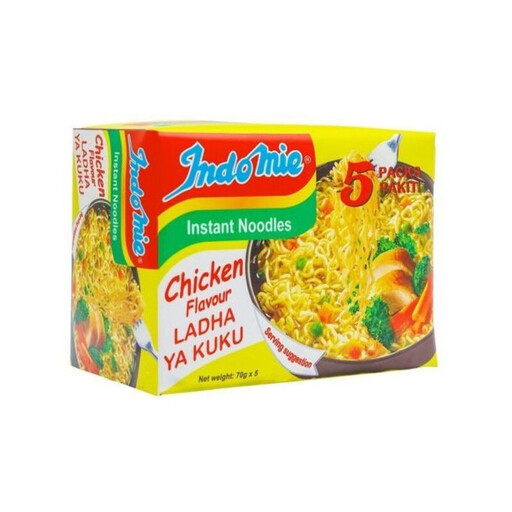
Why it suits this profile: A pack of five sachets is a straightforward choice for anyone who wants to try chicken noodles without immediately buying a large supply. According to the product information, preparation takes approximately 3 to 5 minutes.
The number of sachets and the weight per sachet are clearly stated. The product information lists wheat as an allergen; check the label for the current ingredients.
Five individual portions, wheat noodles and seasoning including pepper, garlic and ginger.
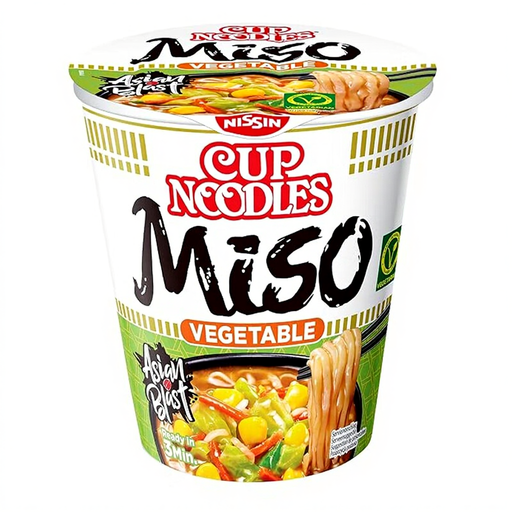
Why it suits this profile: The cup format and stated three-minute preparation time are ideal for lunch at work, travelling or a quick meal at home without needing an extra bowl.
The portion size of 67 grams per cup is clearly shown, allowing you to compare the price and quantity fairly with sachets.
Eight cups, teriyaki sauce, dried vegetables and preparation that does not require a separate serving bowl.
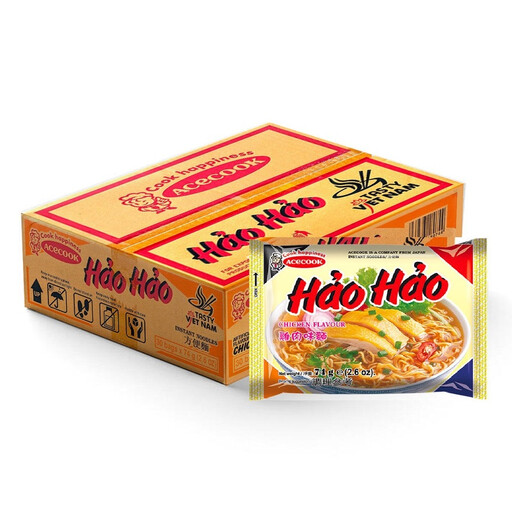
Why it suits this profile: Thirty individual portions are practical for shared student accommodation, families, offices or anyone who regularly keeps a supply of quick noodle meals.
The total number of portions and the weight per sachet are clearly stated. The product information lists wheat and soya as allergens.
Thirty individually wrapped 74-gram portions and preparation with boiling water in just a few minutes.
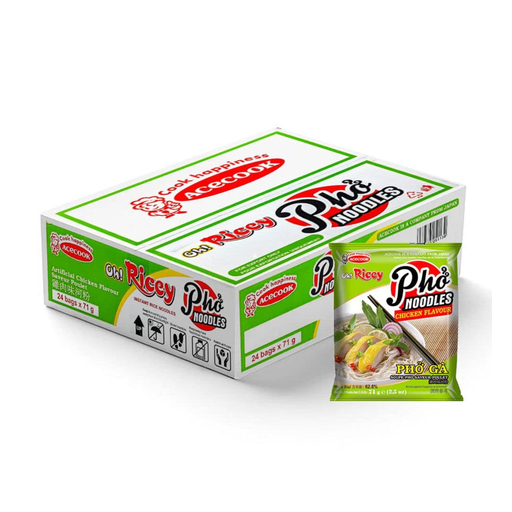
Why it suits this profile: This multipack is intended for anyone wanting to stock up on chicken rice noodles and looking for a different texture from wheat noodles.
The pack states that it contains 24 portions of 71 grams. The ingredients list includes soya, wheat, barley and milk, among other ingredients; check this carefully if you have allergies.
Rice noodles, separate soup, oil and vegetable mixes, plus a 1,704-gram supply.
We have put together a complete, up-to-date list of products that fully meet these strict selection criteria and the applicable European safety regulations.
Put the noodles and seasoning in a bowl, or use the supplied cup. Add boiling water, cover and wait for the stated time. Then stir thoroughly. Always follow the instructions on the packaging, as the amount of water and preparation time vary by brand.
The unopened shelf life is stated on the packaging. Store the products in a dry, cool place away from heat and moisture. Once opened, it is best to use loose seasoning or noodles immediately. A multipack is practical, but plan how quickly you will use it based on the stated date.
Not exactly. Chicken instant noodles is a broad term for quick noodles with a chicken flavour. Chicken ramen often refers to a Japanese or ramen-inspired style, while chicken Cup Noodles indicates a cup format. The exact type of noodle, stock, seasoning and allergens vary from product to product.
