
Same-day & Next-day Delivery

Quality Guaranteed

Unlock Your Welcome Offers: FREE Delivery | Up to 80% OFF | Free 30-day JoyPlus trial
Download the APP
Chicken gyoza is a handy option for a quick snack, lunch, side dish or simple meal. However, Japanese gyoza, chicken dumplings and ready-made varieties can differ significantly in their composition, size and cooking method. An attractive packet doesn't always tell you everything about what you're buying.
So pay particular attention to these three common pitfalls:
With chicken gyoza, the main ingredients are usually listed at the front of the label. For example, in the Ajinomoto Chicken & Veggie Gyoza, chicken is listed alongside cabbage, onion, garlic and spring onion. According to the product information, this product contains cereals containing gluten such as wheat, soya and sesame.
The bibigo Gyoza Chicken & 5 Vegetables lists 26% chicken meat and skin, cabbage, onion and spring onion, among other ingredients. The filling also contains wheat flour, soya sauce and sesame oil. This makes the ingredients list far more useful than terms like "generously filled" or "authentic flavour".
Always check:
Recipes and labels can change. So always use the packaging as your guide if you have a food allergy or intolerance.
A 600g bag can be suitable for several people, whereas a 300g pack is better for a small meal or a trial. The number of pieces is at least as important as the total weight. According to the product name, the bibigo pack contains 30 pieces in 600g. With other products, the number per bag can vary.
For a side dish, you can allow around 4 to 6 pieces per person, depending on the rest of the meal. As a main course, you'll need more pieces, perhaps served with rice, noodles or extra vegetables. Also look at the nutritional values per 100g rather than just the manufacturer's suggested serving size.
The classic method for pan-frying gyoza combines a crispy base with soft dough. Place the frozen gyoza in a pan with a little oil, briefly fry the base, then add a splash of water. Cover the pan so the gyoza cook through in the steam. Remove the lid when the water has almost evaporated.
For steaming gyoza, the dough stays softer. Use baking paper with holes, a steamer basket or a suitable steamer insert so the gyoza don't stick. Boiling in water is also possible, but check the packaging: some varieties can split if boiled for too long.
The Khy Chicken Gyoza product information gives clear guidelines: fry from frozen in the pan for about 2 minutes first, then add water and a lid and cook for around 2 more minutes. According to the same information, steaming takes about 5 minutes at 100 °C. For other brands, follow the instructions on their own packaging.
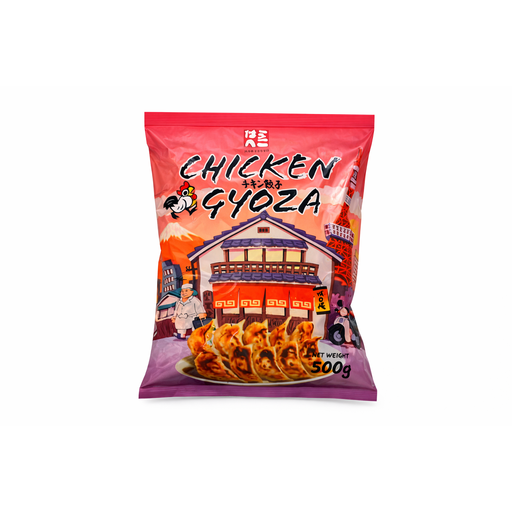
Why this fits the profile: The 500g pack is manageable for anyone trying chicken dumplings for the first time and wanting to experiment with different cooking methods.
The product information provides clear instructions for frying, deep-frying and steaming, so you have less guesswork when cooking.
500 g; chicken and vegetable filling; suitable for pan, deep fryer and steamer basket.
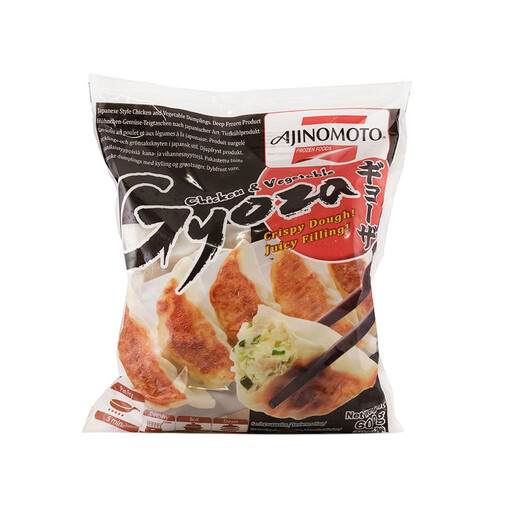
Why this fits the profile: This variety combines a chicken and vegetable filling with multiple serving options, from soup to side dish.
The product description explicitly mentions frying, steaming and boiling. The nutritional information also provides values per 100g.
600 g; 146 kcal per 100 g according to the product information; can be used as a snack, soup ingredient or side dish.
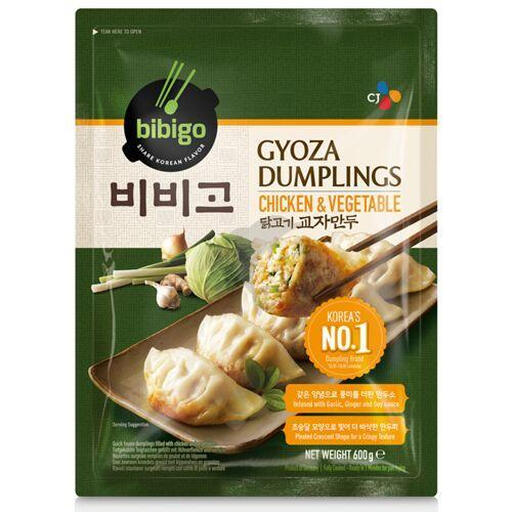
Why this fits the profile: With 30 pieces in one pack, this is practical for families, dinner parties or multiple portions from the freezer.
The number of pieces and net weight are clearly stated. This makes it easier to estimate portions and cost per meal.
30 pieces; 600 g; ingredients include chicken, cabbage, onion and spring onion according to the product information.
We've put together a full, up-to-date list of products that fully meet these strict selection criteria and comply with current European safety regulations.
Store frozen gyoza at the temperature stated on the packaging and keep the bag sealed. Ideally, cook the dumplings from frozen unless the label says otherwise. Once thawed, the product should be kept refrigerated and used within the stated period. Do not refreeze thawed gyoza.
Use a separate pair of tongs or a spatula for raw and cooked products. With chicken filling, check that the inside is piping hot all the way through before serving. Serve with soya sauce, rice vinegar, spring onion or a spicy dip, but be mindful of extra salt and allergens in the sauce.
Heat a little oil in a pan and place the gyoza flat-side down. After a short sear, add water and cover the pan. Let the water evaporate, then fry the base until crispy. Exact timings vary by product, so follow the label.
Yes. Place the frozen gyoza in a steamer basket with enough space between each piece. Steam them until the dough is soft and the chicken filling is piping hot. Khy recommends about 5 minutes of steaming at 100 °C, but other brands may suggest a different time.
Check the best-before date and storage conditions on the packaging. Unopened gyoza will keep in the freezer according to those instructions. Once thawed, they must be kept refrigerated and used within the stated period. Always follow the guidance on the packaging.
