
Same-day & Next-day Delivery

Quality Guaranteed

Unlock Your Welcome Offers: FREE Delivery | Up to 80% OFF | Free 30-day JoyPlus trial
Download the APP
Looking for a quick, flavourful meal that's ready in minutes from the freezer? You're likely considering buying chicken gyoza. These Japanese dumplings are a popular choice for a snack, side dish, or light meal. However, the frozen gyoza market is vast, and not every package delivers the quality you expect. Before you stock your freezer, it's wise to know what to look for.
Many buyers fall into a few common traps. First, the vague promise of "authentic flavour." This is often a marketing term that says little about the actual contents. A second common issue is a disappointing filling, where the ratio of chicken to vegetables and fillers is unclear. Finally, there's the frustration of dough that tears during cooking, causing the filling to spill into the pan or water.
This guide will help you avoid these problems. We'll cover the key specifications to look for and provide specific recommendations, so you can choose the right frozen gyoza with confidence.
To ensure you make a great purchase, it's essential to look beyond the front of the package. Two to three key specifications largely determine the quality of the chicken dumplings you bring home.
The filling is the heart of the gyoza, making a close look at the ingredient list essential.
The texture of the gyoza depends heavily on the dough. The way you plan to cook the gyoza will influence which type of dough is most suitable.
Frozen gyoza comes in various sizes, from small 300-gram bags to bulk packages of several kilos.
Based on clear product specifications and various use cases, we have selected a few popular choices.
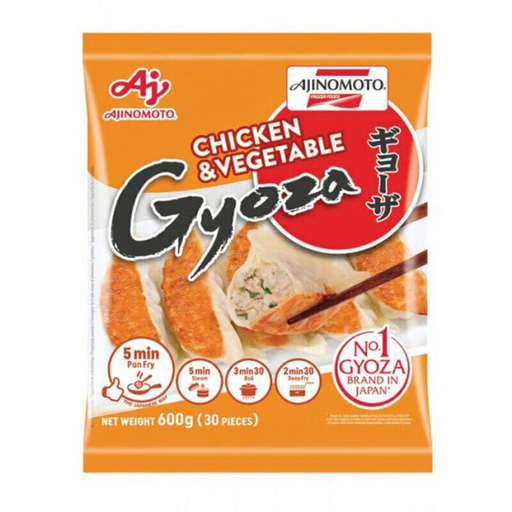
Why This Fits Their Persona: Perfect for those who want a quick, delicious, and reliable meal after a long day. The 600g package is ideal for a few meals without taking up the entire freezer.
The ingredient list is clear, and the chicken and vegetable filling is well-balanced. The dough is specifically designed to perform well with the pan-fry method, preventing it from tearing easily.
Consistent quality from a well-known brand. Suitable for pan-frying, steaming, and boiling.
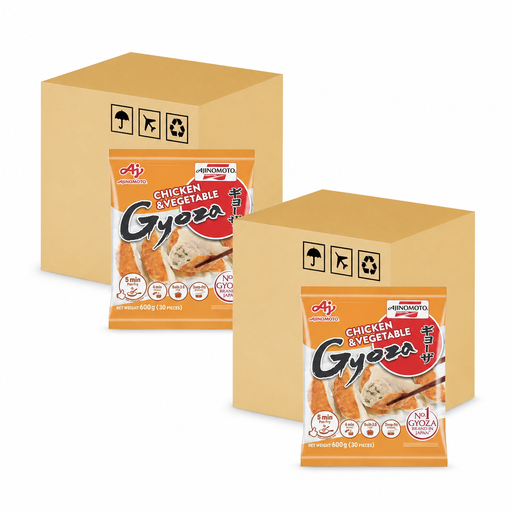
Why This Fits Their Persona: Ideal for large families, foodies who like to stock up, or for food service use. This bulk package offers excellent value for money.
By buying in bulk from a reputable brand like Ajinomoto, you avoid the gamble of unknown, cheap alternatives with a questionable filling. You are assured of consistent quality.
Highly cost-effective per gyoza. The packaging is designed for foodservice, which guarantees consistent quality.
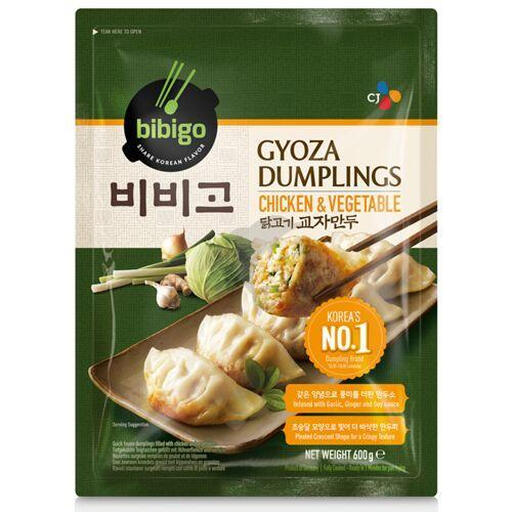
Why This Fits Their Persona: For those looking for a slightly different flavour experience. Bibigo, a well-known Korean brand, puts its own spin on the classic gyoza with a blend of five different vegetables.
Bibigo is transparent about its composition: the packaging states a filling with 26% chicken and a clear mix of vegetables like cabbage (21%) and onion (11%). This avoids the pitfall of a vague filling.
A distinctive flavour profile thanks to the five-vegetable blend. The dough is thin and gets deliciously crispy when pan-fried.
No, it's actually better to cook gyoza directly from frozen. If you thaw them first, the dough becomes sticky and can tear more easily. Follow the package instructions for the best results.
The pan-fry method (also known as the 'potsticker' method) is ideal for this. Heat a little oil in a frying pan and fry the frozen gyoza for a few minutes until the bottoms are golden brown. Then, add a small amount of water (about 60 ml), cover the pan with a lid, and let the gyoza steam for 2-3 minutes. Remove the lid and continue to fry until all the water has evaporated and the bottoms are crispy again.
In a freezer set to -18°C, frozen gyoza can typically be stored for many months. The exact expiration date is always printed on the package. Once thawed, do not refreeze the gyoza and consume them within 24 hours.
