
Same-day & Next-day Delivery

Quality Guaranteed

Unlock Your Welcome Offers: FREE Delivery | Up to 80% OFF | Free 30-day JoyPlus trial
Download the APP
Chicken gyoza: the perfect quick meal or appetiser. Just pan-fry, steam, or deep-fry them, and you have a delicious dish on the table. But anyone who regularly buys frozen gyoza knows that the quality can vary dramatically. One time you get perfectly filled, flavourful dumplings; the next, a disappointing, doughy bite. Before you stock your freezer, it's wise to know what to look for.
Many buyers fall into a few common pitfalls:
Fortunately, these problems can be avoided by making an informed choice.
To make a good choice, you just need to check a few key specifications on the packaging. This will help you distinguish marketing fluff from actual quality.
The heart of a good chicken gyoza is its filling. A quick look at the ingredient list tells you the whole story.
Think about how you plan to use the gyoza. Are you looking for a quick snack for one, a meal for the whole family, or a bulk supply for your food service business?
Also, check if the packaging is resealable. This is a small but important feature for maintaining the quality of your frozen gyoza.
Not all gyoza are created equal. The thickness of the dough and the composition of the filling determine which preparation method yields the best results. Most packages provide clear instructions for preparing gyoza.
Based on clear product specifications, we have selected a few options that suit different users.
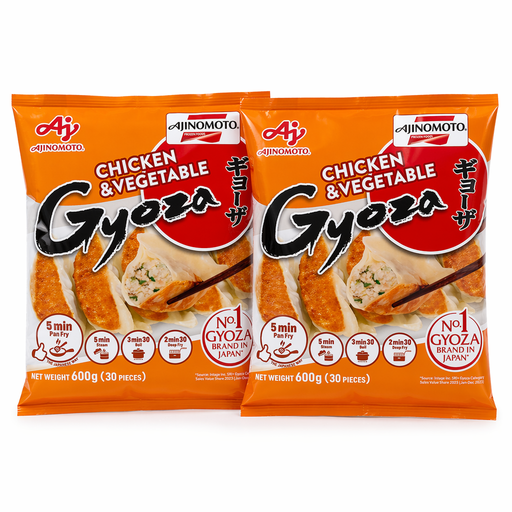
Why This Fits Their Persona: This 600g twin-pack is ideal for families. It provides enough for a full meal or multiple snack times, ensuring you don't run out immediately.
The packaging is large enough to last for more than one meal, avoiding the pitfall of a too-small pack. The ingredient list is transparent, showing a good balance of chicken and vegetables.
Excellent value for money in a convenient size for regular use. Suitable for pan-frying, steaming and boiling.
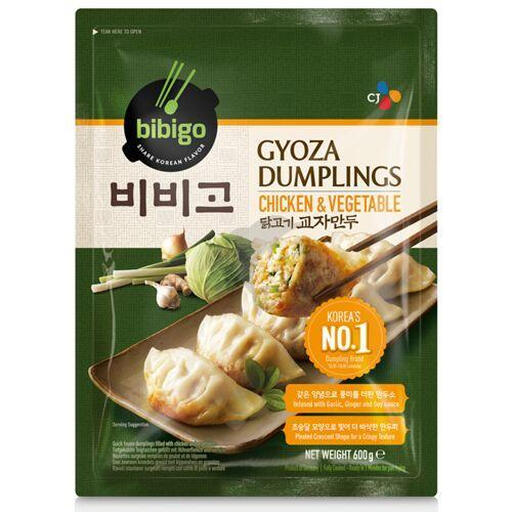
Why This Fits Their Persona: Bibigo is known for its focus on authentic Korean and Japanese flavours. These gyoza contain a filling with 26% chicken and a mix of five vegetables, ensuring a complex and rich taste.
By choosing a well-known brand like Bibigo, you avoid the gamble of unknown quality. The specifications (26% chicken, 5 types of vegetables) are clear, so you know what you're buying.
Rich filling with a high percentage of chicken and a varied vegetable mix. The wrapper is thin and becomes crispy when pan-fried.
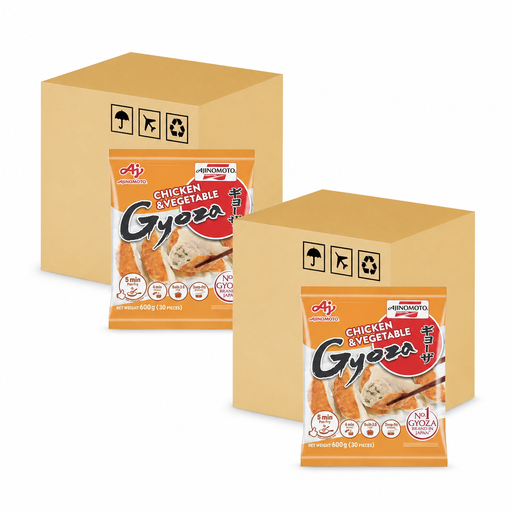
Why This Fits Their Persona: This bulk package is specifically designed for the commercial market, such as restaurants and caterers, or for large events. It offers a cost-effective and consistent solution.
By buying in bulk from a reputable brand like Ajinomoto, you ensure consistent quality and taste, which is essential in a professional kitchen. This prevents the unpredictability of smaller, varying batches.
Highly cost-effective per serving. The individual 600g packs within the case make portioning simple and hygienic.
We have compiled a complete, up-to-date list of products that fully meet these strict selection criteria and relevant regulations.
For the classic potsticker style with a crispy bottom: heat a tablespoon of oil in a non-stick frying pan over medium-high heat. Place the frozen gyoza flat-side down in the pan and fry for 2–3 minutes until the bottom is golden brown. Carefully add about 60 ml of water (be careful of splashing), immediately cover the pan with a lid, and let the gyoza steam for 3–4 minutes. Remove the lid and continue to fry until all the water has evaporated and the bottom is crispy again.
Gyoza are the Japanese version of Chinese jiaozi. The main difference is often in the details. Gyoza typically have a thinner wrapper and a more finely ground filling, often with a distinct garlic flavour. They are usually pan-fried, giving them a characteristic crispy bottom, whereas many other Chinese dumplings are more often only steamed or boiled.
If the bag is not resealable, transfer the remaining gyoza to an airtight freezer bag or container. Try to remove as much air as possible to prevent freezer burn. When sealed properly, they can be kept in the freezer (-18°C or 0°F) for at least 1 to 2 months without significant loss of quality. Always refer to the best-before date on the original packaging as a guide.
