
Same-day & Next-day Delivery

Quality Guaranteed

Unlock Your Welcome Offers: FREE Delivery | Up to 80% OFF | Free 30-day JoyPlus trial
Download the APP
Gyoza, those delicious Japanese dumplings, have become a staple in kitchens across the country. They're perfect for a quick meal, as an appetizer, or as part of a larger Asian-style dinner. But anyone who has bought frozen gyoza knows that the quality can vary dramatically. The packaging promises the world, but the contents don't always live up to the hype. As a Joybuy Product Recommendation Officer, I'll help you recognise the common pitfalls so you can choose the right chicken gyoza with confidence.
Before you fill your shopping cart, it's wise to know what often goes wrong. Many disappointments can be avoided by paying attention to two key things.
To avoid the pitfalls mentioned above, you just need to look at the packaging. Pay attention to the following two specifications before you decide to buy gyoza.
This is the most objective indicator of quality. A reliable manufacturer will list the percentages of the main ingredients. Look for the percentage of chicken on the ingredients list. A higher percentage generally means a fuller flavour and a better texture. Brands like Ajinomoto and Bibigo are often transparent about this. This simple fact helps you immediately filter out products that consist mainly of dough and cheap fillers.
For that signature gyoza flavour, a few ingredients are essential. Check if the list contains the following seasonings:
If these ingredients are high on the list, you're more likely to have a flavourful and well-balanced chicken gyoza, perfect for an evening of Asian-inspired snacks.
Based on the criteria above, we have highlighted several popular choices that suit different needs.
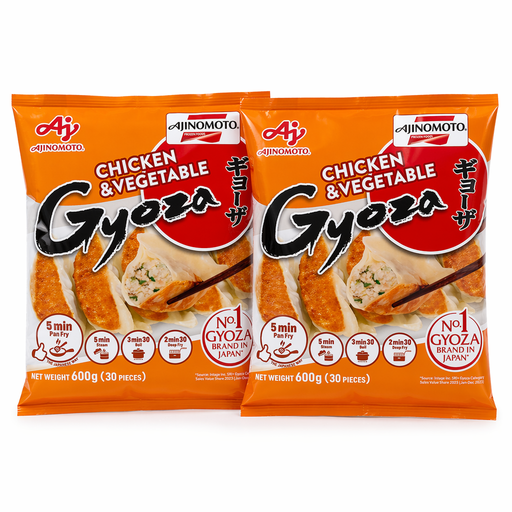
Why This Fits Their Persona: For families or anyone who likes to keep a well-stocked freezer, this twin-pack is ideal. You'll never run out and will always have a quick, tasty meal solution on hand that appeals to both adults and children.
Ajinomoto is known for a consistent and excellent filling-to-dough ratio. You're not buying 'empty' dumplings, but a product with a reliable, juicy filling.
Value bulk pack. Consistent quality and a widely appreciated flavour.
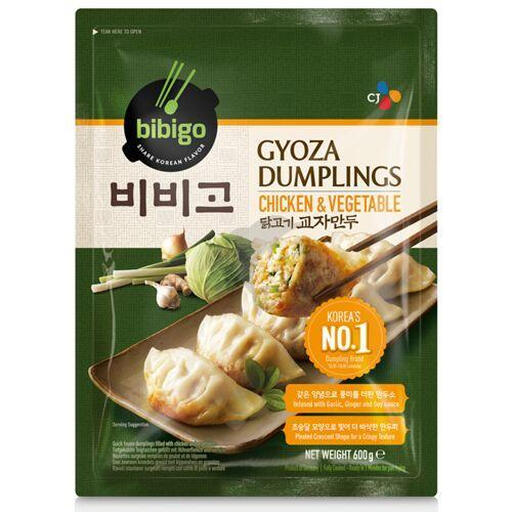
Why This Fits Their Persona: Those looking for a more refined taste and who value transparency will find a great match in Bibigo. This brand positions itself as premium and emphasizes the quality of its ingredients.
Bibigo is very transparent and lists the percentages: 26% chicken and 21% cabbage. This immediately provides confidence that you're not buying an 'empty' dumpling and that the filling-to-dough ratio is taken seriously.
Clear specifications on the filling quantity. The addition of 5 types of vegetables creates a more complex flavour.
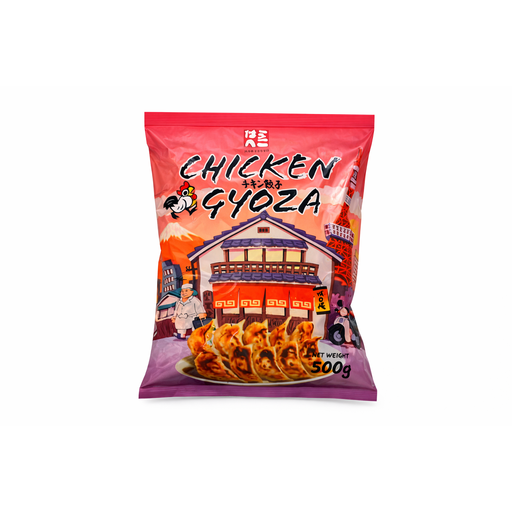
Why This Fits Their Persona: Want to try chicken gyoza without immediately committing to a major brand? This is an excellent entry-level option. The 500-gram pack is a great size for getting acquainted with frozen gyoza.
Although the percentages aren't listed, the ingredients list does contain essential seasonings like ginger, garlic, and soy sauce. The clear instructions for preparing gyoza (pan-frying, deep-frying, steaming) help prevent a disappointing result.
Affordable price. Clear and versatile preparation instructions on the packaging.
We have compiled a complete, up-to-date list of products that fully meet these strict selection criteria and local regulations.
The most popular method for preparing gyoza is to pan-fry and steam them in a single pan. Heat a tablespoon of oil in a non-stick pan over medium-high heat. Place the frozen gyoza flat-side down in the pan and fry for 2-3 minutes until the bottom is golden brown. Then, carefully add about 100 ml of water (watch out for splattering) and immediately cover the pan with a lid. Let the gyoza steam for 3-4 minutes until the water has nearly evaporated. Remove the lid and continue to fry for another minute until the bottom is crispy again.
Although they look similar, there are a few key differences. Japanese gyoza generally have a thinner wrapper and a finer filling, often with a distinct garlic flavour. They are typically pan-fried (yaki-gyoza). Chinese dumplings (jiaozi) often have thicker dough and a wider variety of fillings. They are more commonly boiled or steamed.
Frozen gyoza are best stored in their original, well-sealed packaging in the freezer at -18°C. Always check the best-before date on the package. Once thawed, gyoza should not be refrozen. Store thawed gyoza in the refrigerator and consume them within 24 hours.
