
Same-day & Next-day Delivery

Quality Guaranteed

Unlock Your Welcome Offers: FREE Delivery | Up to 80% OFF | Free 30-day JoyPlus trial
Download the APP
Chicken gyoza, those delicious Japanese dumplings, are a perfect solution for a quick and flavourful meal. A few minutes in the pan, and you have a restaurant-quality dish on your table. But the reality of frozen gyoza can often be disappointing. The packaging promises an authentic experience, but you end up with a doughy bite and an unidentifiable filling.
As a Product Recommendation Officer at Joybuy, I see a lot of products come and go. I'm here to help you recognise the common pitfalls, so you know what to look for when buying frozen gyoza.
The 2 most common pitfalls of frozen gyoza:
To avoid disappointment, there are a few objective specifications you can check before making a purchase.
A good gyoza has a generous, juicy filling and a thin wrapper. A poor ratio leads to a bite that is mostly dough. Check the ingredient list for the percentage of chicken and vegetables. A higher percentage usually indicates a fuller flavour and better texture. Brands that are transparent about this often have more confidence in their product.
When you want to buy chicken and vegetable gyoza, a clear ingredient list is essential. Pay attention to the order: the first ingredient listed is the most prominent one. Also, check for unnecessary additives or flavour enhancers if you're looking for a product that's as natural as possible.
Good quality frozen gyoza is also versatile. The packaging should provide instructions for multiple cooking methods, such as:
cook gyoza.If the wrapper is high quality, it won't fall apart, no matter which method you choose.
Below are some recommendations tailored to different needs. This selection is based on product specifications like filling composition, brand reputation, and package size.
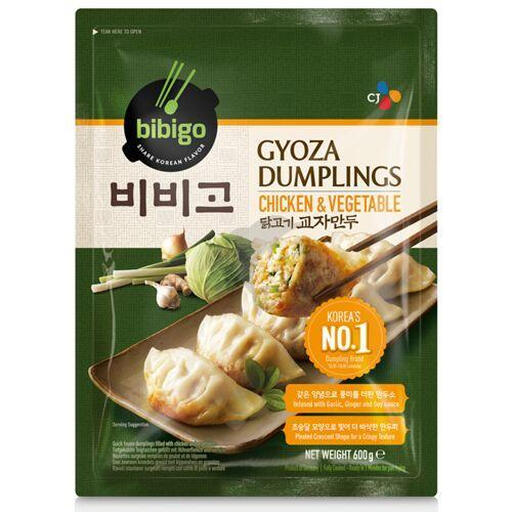
Why This Fits Their Persona: Ideal for busy professionals, students, or anyone looking for a reliable, flavourful, and quick meal. The 600g package is practical, and preparation is straightforward.
This product avoids the "mysterious filling" trap by specifically stating it contains 5 types of vegetables (cabbage, onion, spring onion, garlic) alongside 26% chicken. This ensures a complex and rich flavour.
Good balance between chicken and a varied vegetable mix. The wrapper is designed to perform well when pan-fried, resulting in a crispy bottom.
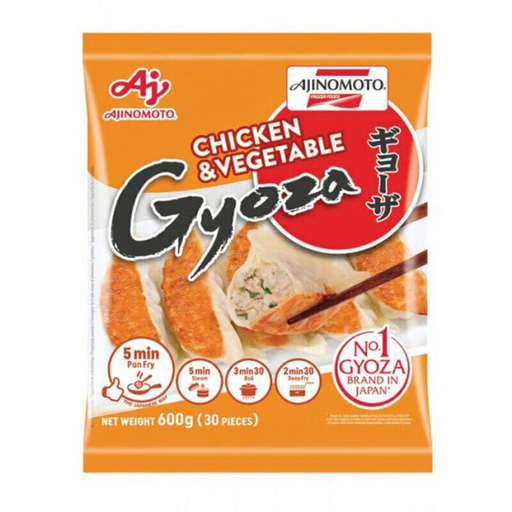
Why This Fits Their Persona: For the home cook seeking a flavour that is true to Japanese food culture. Ajinomoto is a renowned Japanese brand synonymous with umami and quality.
This product bypasses the "authentic marketing ploy" by actually being from a reputable Japanese brand. The wrapper is thin and specially developed for the pan-fry-and-steam method, ensuring the signature texture.
Flavour profile based on a Japanese recipe with a distinct umami taste. The filling is juicy, and the wrapper becomes perfectly crispy on the bottom.
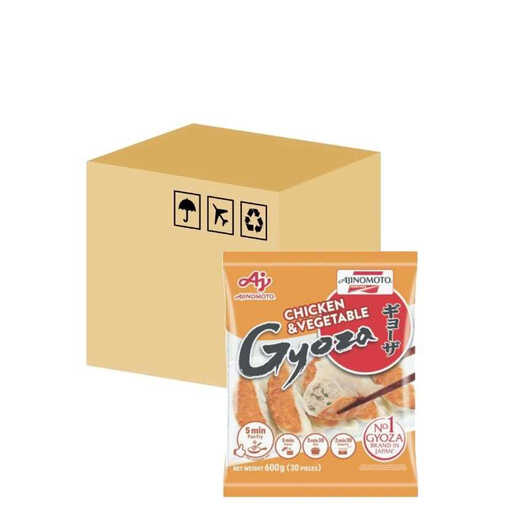
Why This Fits Their Persona: Perfect for large families, parties, or small food service businesses looking to stock up. This bulk package offers convenience and a favourable price per serving.
By choosing a bulk package from a premium brand like Ajinomoto, you avoid the risk of unknown, inferior brands. You are assured of consistent quality and flavour, every single time.
Value pack with 10 bags of 600 grams. Ideal for always having a quick and reliable meal option in the freezer.
We have compiled a complete, up-to-date list of products that fully meet these strict selection criteria and local regulations.
For the perfect texture, follow the pan-fry-and-steam method.
chicken dumplings flat-side down in the pan and fry for 2-3 minutes until the bottom is golden brown.Although they all belong to the family of filled dough parcels, there are differences. Japanese dumplings, or gyoza, typically have a thinner wrapper and are almost always pan-fried and then steamed for a combination of textures. Chinese jiaozi, from which gyoza are derived, can have a thicker dough and are more often boiled or fully steamed.
To maintain quality, it's important to seal the bag tightly after opening. Squeeze as much air out of the bag as possible before closing it with a clip or placing it in a resealable freezer bag. Store the gyoza in the coldest part of your freezer and preferably consume them within a few weeks to prevent freezer burn and loss of flavour.
