
Vandaag of morgen in huis

Kwaliteit gegarandeerd

Welkomstaanbiedingen ontgrendelen: GRATIS bezorging | Tot 80% korting | Gratis 30 dagen JoyPlus-proefperiode
Download de app
Looking for a quick, flavorful meal? Chances are you're considering buying chicken gyoza. These Japanese dumplings are a lifesaver on busy evenings or when you're craving a delicious treat from Asian cuisine. But not every bag of frozen gyoza in the freezer aisle is a good choice. Many packages overpromise and underdeliver. Before you fill your shopping cart, it's smart to know what to look for.
Many shoppers fall into a few common pitfalls:
chicken dumplings turn out to be mostly a thick layer of dough with a disappointing amount of filling. The meat percentage is often lower than you'd expect.frying gyoza to the letter, but the dumplings stick to the pan, fall apart, or become soggy instead of crispy.Fortunately, these problems are avoidable simply by knowing what to look for.
You don't need to be a label expert to make a good purchase. Pay attention to the following two points, and you'll easily filter out the superior products.
The heart of a great gyoza is its filling. A reliable manufacturer will be transparent about the composition. Check the ingredient list for the percentage of chicken meat. A higher percentage (above 20%) often indicates a richer flavor and better texture. Brands like Bibigo gyoza and Ajinomoto gyoza often state this clearly. Also, pay attention to the ratio of meat to vegetables. A good mix ensures a juicy and balanced final result.
The dough of Japanese dumplings should be thin and resilient. It needs to form a crispy layer when fried without tearing during steaming or boiling. Dough that is too thick will overpower the flavor of the filling and feel heavy. Check the recommended preparation methods on the package. If a product is suitable for multiple methods (frying, steaming, deep-frying), it's often a sign of high-quality dough.
Based on clear product specifications, we have highlighted several choices that suit different preferences and situations.
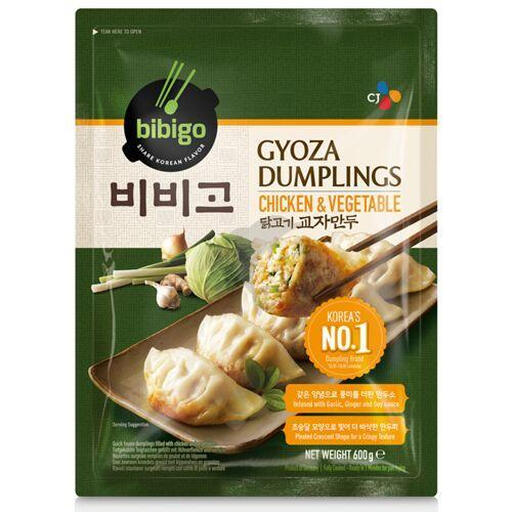
Why This Fits Their Persona: Ideal for those seeking a quick, reliable, and flavorful meal. The 600g package is practical for multiple meals, and the well-known Bibigo brand stands for consistent quality.
The ingredient list is transparent, stating a clear percentage of 26% chicken and a generous amount of vegetables. This prevents the disappointment of an empty dumpling.
Excellent balance between chicken, vegetables, and dough. The gyoza are shaped for easy pan-frying, achieving a crispy bottom and a soft, steamed top.
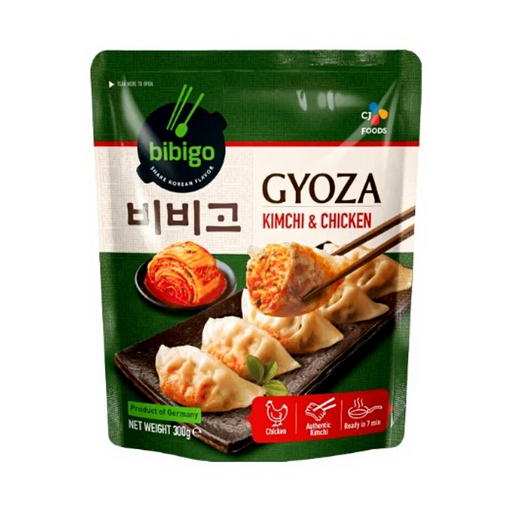
Why This Fits Their Persona: For those who are familiar with the standard chicken-vegetable filling and want to try something new. The addition of kimchi provides a spicy, sour, and complex flavor popular in Korean cuisine.
This product focuses on a specific, authentic flavor rather than a generic "chicken" filling. It promises a distinct taste experience, which reduces the risk of a vague, disappointing filling.
Combines the familiar texture of gyoza with the bold flavor of kimchi. According to the manufacturer, the product is ready in 7 minutes, making it a quick and exciting meal option.
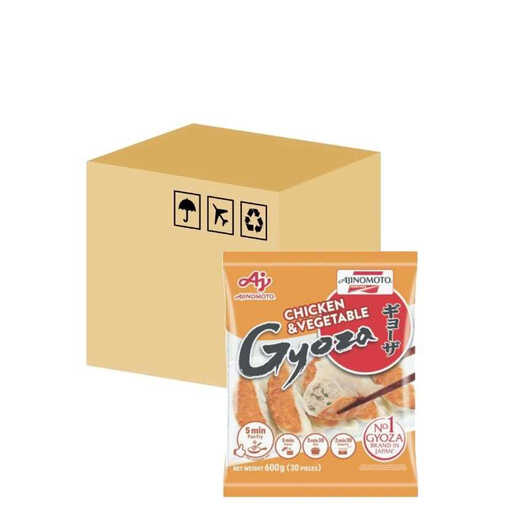
Why This Fits Their Persona: Perfect for large families, restaurant owners, or anyone who likes to keep a well-stocked freezer. A bulk package is often more economical and ensures you never run out.
By choosing a large, established brand like Ajinomoto for a bulk purchase, you reduce the risk of inconsistent quality. The product information is clear, and the nutritional values are specified.
Cost savings and convenience due to the large quantity (10 x 600g). The gyoza are versatile and can be pan-fried, steamed, or boiled, making them suitable for various applications.
We have compiled a complete, up-to-date list of products that meet these selection criteria and regulations.
For the classic frying gyoza method (potstickers), heat a tablespoon of oil in a non-stick pan over medium-high heat. Place the frozen gyoza flat-side down and fry for 2-3 minutes until the bottoms are golden brown. Then, add about 60-80 ml of water (be careful of splattering), immediately cover the pan with a lid, and let the gyoza steam for 3-4 minutes. Remove the lid and continue to fry until all the water has evaporated and the bottoms are crispy again.
Although the terms are often used interchangeably, there are subtle differences. Japanese dumplings, or gyoza, typically have a thinner wrapper and a finer filling of meat and vegetables. They are usually pan-fried (potsticker-style), resulting in a crispy bottom and a steamed top. Chinese dumplings (like jiaozi) often have a slightly thicker, rounder dough and are more commonly boiled or fully steamed.
No, it's actually better to cook frozen gyoza straight from the freezer. Thawing can make the dough sticky and soft, causing the dumplings to fall apart during cooking. Always follow the instructions on the package for the best results.
