
Cooking with a large fricassee pan
You want to check that the base of your largest pan fits a suitable cooking zone, while leaving room for side dishes.


For a large pan of chicken fricassee, the fit between the pan base and cooking zone, how many pans need to be on the hob at once, and your electrical connection are the main things to consider. A built-in induction hob with suitably large or connectable zones could be a good choice if you have enough space and the right connection. A portable hob gives you an extra cooking spot without needing a cut-out in the worktop, but may have limitations when using several zones on a high setting at the same time. A conventional electric hob is an option if your pans are not suitable for induction, provided the cooking zones match the pan bases.
You want to check that the base of your largest pan fits a suitable cooking zone, while leaving room for side dishes.
You cannot easily upgrade your kitchen’s electrical installation and want to know how many cooking zones you can use at once with the connection you have.
You’ll keep using your existing hob and want a portable spot for the sauce or a side dish.
Choose this if: you often cook for a group, use a wide pan, and have a suitable cut-out and electrical connection.
Bear in mind: the cut-out dimensions, electrical connection and induction-compatible pans. A bridge function does not guarantee that every pan will heat evenly.
Choose this if: you want a temporary extra cooking spot without cutting a hole in the worktop.
Bear in mind: the combined power output. Some portable hobs cannot run several zones on a high setting at the same time.
Choose this if: your pans are not suitable for induction and the cooking zones match the pan bases.
Bear in mind: the size of the zones. A small zone may limit your options for a large fricassee pan.
For a neighbourhood meal, the main consideration is whether your pan—and the number of pans you need at once—will fit on the hob. Measure the pan base and check your available electrical connection before choosing a type.
| Buying concern | What to look for | Who is this important for? |
|---|---|---|
| Room for a pan and side dishes | Measure the pan base and compare it with the cooking zones. Also check whether there is room for a second pan. | When I’m cooking for a group, I want my largest pan to fit the zone properly, with room left for a side dish. Around 29% of consumers say that a good fit for a large pan is their main buying concern. |
| A suitable electrical connection | Check the connection rating and plug for the exact model, as well as which other appliances are connected to the same circuit. | If I can’t easily change my kitchen’s electrical installation, I need to know how many zones I can use at once. Around 23% of consumers say their existing electrical connection is their main buying concern. |
| Gentle simmering | Check the controls for each zone and the timer. A hob setting does not measure the temperature of the food. | If the sauce needs to simmer gently, I want to be able to set the heat to suit my pan and keep an eye on it while cooking. Around 18% of consumers say simmering is their top priority. |
| An extra cooking spot | Check that you have space on the worktop and that both zones and pans will fit side by side. | If my existing cooking zones are already in use, I want an extra spot for preparing the sauce or a side dish. Around 18% of consumers say a portable extra cooking spot is their main buying concern. |
| Pans and other essentials | Check that your pan works with induction and that its base fits the cooking zone. Check installation and warranty terms separately. | If I want to keep using my current pans, I need to know whether they are suitable for the hob I choose. Around 12% of consumers say their existing pans and other essentials are their main buying concern. |
If a pan base is larger than the heated area, the edges may receive less heat. The shape and size of the pan still matter, even when zones are connected.
Compare your pan base with the actual cooking zones before you choose.
With a portable hob that has a limited connection rating, you may not be able to use several zones on a high setting at the same time.
Check the combined power output and the existing circuit. Have any required changes to a built-in hob connection assessed by a professional.
An induction hob needs compatible pans. A built-in model must also fit the space and electrical connection in your kitchen.
For each option, check that your pans are suitable and that the installation will work in your kitchen.
A timer or hob setting does not check whether every piece of chicken is cooked through.
The Voedingscentrum advises heating chicken thoroughly until the meat is completely white inside. Keep raw chicken separate from cooked food.
According to AEG, the V64IOB00FB built-in induction hob has four zones, a bridge function and a stated connection rating of 7200 W.
According to Bosch, the PVW81CHB1E is an 80 cm built-in induction hob with CombiZone.
Inventum offers the VKI3020ZWA portable two-zone induction hob and the KP602B conventional two-zone electric hob.
According to Severin, the DK 1031 portable double induction hob has two zones, a stated power output of 3400 W and a Schuko plug.
According to Tristar, the IK-6178 is a portable single-zone induction hob with a maximum power output of 2000 W.
This selection at Joybuy includes built-in and portable hobs, with induction and conventional electric models for different pans and cooking needs.
 No image available
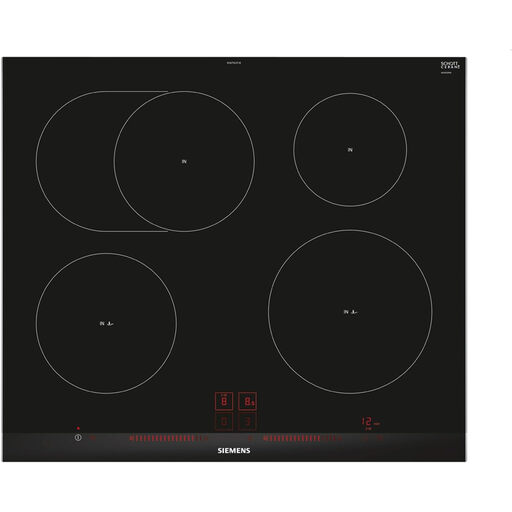
A built-in induction hob for anyone who wants to use several pans and needs a larger roasting zone.
The product information lists four cooking zones and pan detection for the roasting zone. The stated connection rating is 7400 W; check that your kitchen’s electrical connection is suitable.
 No image available
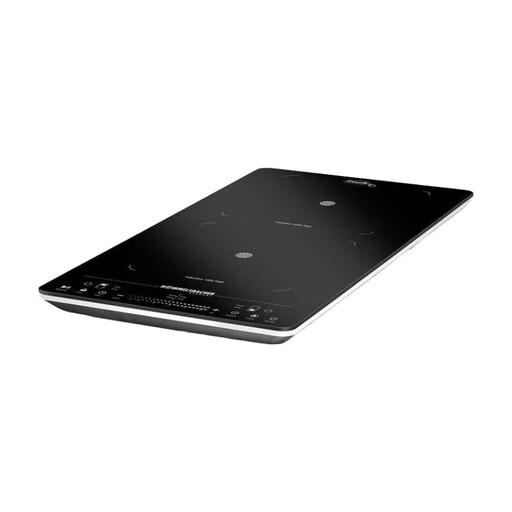
A portable double induction hob for anyone looking for an extra cooking spot with separate controls.
The product information lists ten power settings, ten temperature settings and a timer. Use flat, magnetic induction pans with a diameter of 120–260 mm.
 No image available
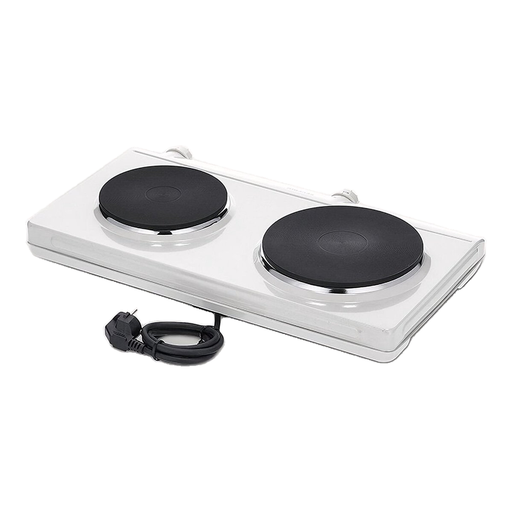
A portable electric hob for anyone who wants to heat two pans at once without needing induction-compatible cookware.
The product title lists two cooking zones and 2500 W. The cooking surfaces get hot, so use the hob on a stable, heat-resistant surface and never leave it unattended.
 No image available
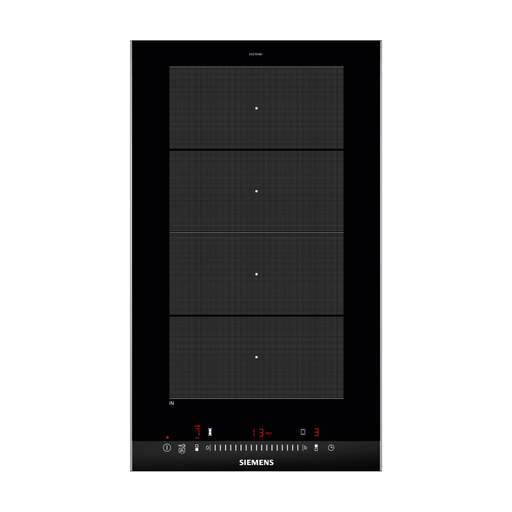
A compact built-in induction hob for anyone looking to combine a pan and a second cooking zone with other cooking elements.
The product information lists two 20 × 21 cm zones, each with 2,2 kW. The flexible zone is described as suitable for pans up to 24 cm in diameter.
 No image available
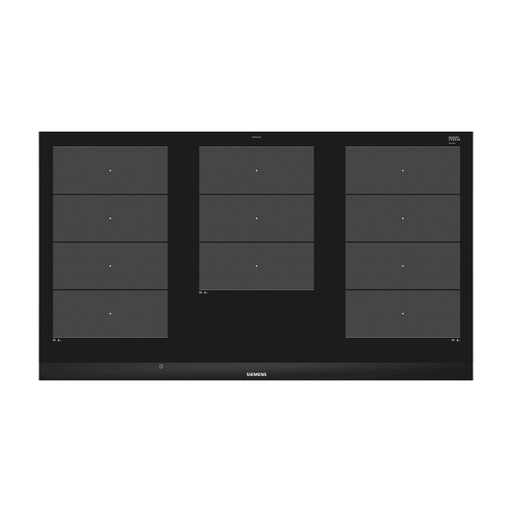
A built-in induction hob with several zones for anyone who wants to cook a large pan and side dishes at the same time.
The product information lists five cooking zones and flex induction. The title specifies a three-phase connection; check that this type of connection is available in your kitchen.
This depends, among other things, on the model’s combined connection rating. The Consumentenbond points out that portable induction hobs with a low connection rating may not let you use several zones on a high setting at the same time, so check the hob’s specifications.
Check whether the pan base is magnetic and compare its diameter with the cooking zone. According to the Consumentenbond, if a pan is too large, only the part above the induction coil may heat up, so also check how much of the base sits over the zone.
Heat chicken thoroughly until the meat is completely white inside, and keep raw chicken separate from cooked food. The Voedingscentrum advises keeping perishable dishes chilled and not leaving them out of the fridge for more than two hours.
It depends on whether the meal is being shared privately or, for example, sold from your home. The NVWA sets out requirements for businesses that sell meals from home or offer food to consumers, including providing allergen information. These rules do not necessarily apply to a private meal.
For a consumer purchase in the Netherlands, the seller is responsible for providing an appropriate solution if the product does not meet requirements. The Dutch government explains that a manufacturer’s warranty is an additional benefit and that there is no set statutory warranty period covering all products.