
Vandaag of morgen in huis

Kwaliteit gegarandeerd

Welkomstaanbiedingen ontgrendelen: GRATIS bezorging | Tot 80% korting | Gratis 30 dagen JoyPlus-proefperiode
Download de app
A chicken curry can be on the table in no time, but some products still require almost all the ingredients, while others are ready to go straight into the pan. If you only pay attention to terms like “authentic”, “mild” or “quick”, you could end up buying a product that doesn’t suit your family, the time you have to cook, or any allergies.
Watch out for these three common pitfalls:
The right choice mainly depends on how much work you want to do and the flavour direction you prefer.
A chicken curry sauce or curry sauce is handy if you mainly want to add chicken and perhaps some vegetables. You usually heat the sauce in a pan and serve the dish with rice. This works well for busy weekdays and families who like a consistent method.
Pay attention to the sauce base. A tomato and cream base gives a creamy flavour, while a sauce with coconut milk leans more towards a Thai curry. Also check the sugar and salt content per 100g.
A chicken curry spice mix or curry paste gives you more freedom to decide how much chicken, vegetables and liquid you use. A mix can be suitable for an easy curry using ingredients you already have at home. The total preparation often takes a little longer, because you add several components yourself.
With a curry paste, the dosage is important. Start with less paste and add more later if needed. This way you can better adjust the flavour and heat, especially when children are eating too.
A ready-made curry meal often already contains rice, vegetables, chicken and sauce. This is practical for one person or for a quick lunch. Check whether the meal comes from the fridge or freezer and follow the preparation instructions for pan or microwave.
A frozen meal must stay frozen until use. Once thawed, different storage times apply. Do not refreeze a product that has been thawed, unless the packaging explicitly allows it.
Don’t just compare the weight, but also the stated portions. A sauce for three to four people may still require 400 to 500g of chicken and rice. With a mix, you may also need to add vegetables, oil and extra flavourings.
In the European Union, major allergens must be clearly listed in the ingredients list. Look out for:
Even if a product is described as “Indian chicken curry” or “Chicken Madras”, that doesn’t tell you anything about the allergen composition. Check the packaging before purchase and preparation.
An unopened sauce, paste or spice mix can usually be stored outside the fridge if stated on the label. This changes after opening. Some products must be kept refrigerated and used within a few days; a baby meal, for example, may need to be consumed within 24 hours of opening.
Product information on a webpage can change. Therefore, always use the physical label as the final check for ingredients, allergens, preparation method and shelf life.
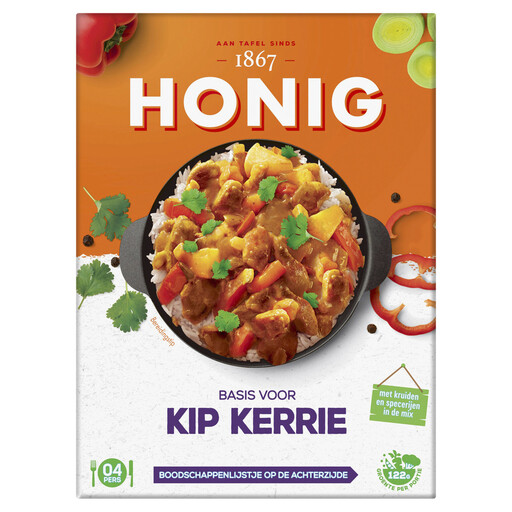
Why this fits the profile: The mix is designed for three to four people and has a preparation time of around 20 minutes. You add your own chicken, rice, onion, bell pepper and optionally pineapple.
The packaging clearly states which fresh ingredients you still need, so you don’t confuse the contents with a complete curry sauce.
Mix with curry, garlic and parsley; suitable for three to four people. Please note the listed allergens, including wheat, milk and soya.
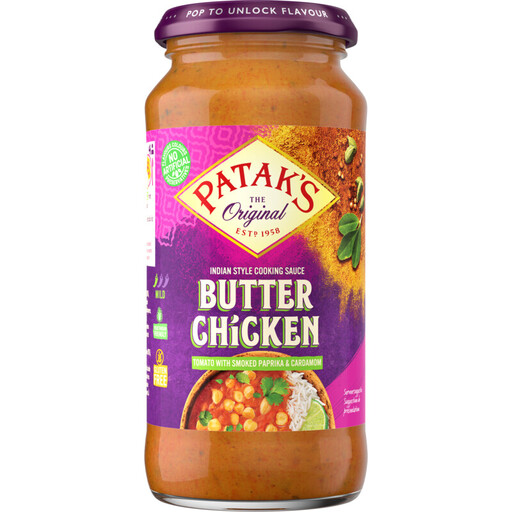
Why this fits the profile: This sauce is aimed at a creamy butter chicken with tomato, butter, cream, fenugreek and cardamom. According to the product information, preparation takes 15 to 20 minutes.
The product description mentions the required 500g of chicken and basmati rice. This makes it clear in advance what still needs to go on your shopping list.
Tomato and butter base with 10% cream and 4% butter according to the ingredients list. Contains milk and may contain nuts and peanuts.
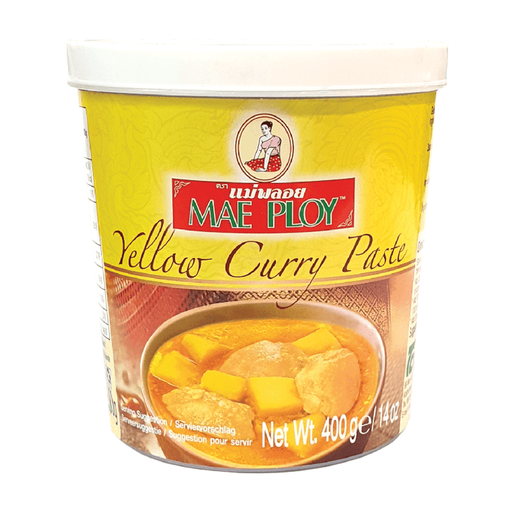
Why this fits the profile: The large pack is practical for fans of Thai curry who cook regularly with chicken, tofu, vegetables or seafood.
The preparation instructions give a specific ratio: 50g paste, 400g coconut milk and 200g filling. For a milder version, half the amount is recommended.
Contains garlic, lemongrass, galangal, shallot and turmeric among other ingredients. After opening, the paste must be stored in the fridge; the salt content is 14.3g per 100g.
We’ve put together a full, up-to-date list of products that fully meet these strict selection criteria and comply with current European safety regulations.
Choose a ready-made chicken curry sauce if you want minimal preparation. Cook the chicken through, add the sauce and heat according to the packaging. Serve with rice and add frozen vegetables or bell pepper if you like. With a curry paste, you usually need to add coconut milk and extra ingredients.
An Indian chicken curry is a broad product category with different spice and sauce bases. Chicken Madras typically refers to a spicier and often hotter curry profile. Thai curry often uses curry paste, coconut milk and aromatic ingredients such as lemongrass and galangal. The exact composition varies by brand; so check the label.
Look at the stated heat level, ingredients and portion size. A mild sauce or a baby meal with mild curry can work, but age recommendations only apply to products intended for that purpose. According to the product information, Ella’s Kitchen Chicken Curry Green Beans Coconut is suitable from 10 months. Always follow the age indication, warnings and preparation instructions on the packaging.
