
Same-day & Next-day Delivery

Quality Guaranteed

Unlock Your Welcome Offers: FREE Delivery | Up to 80% OFF | Free 30-day JoyPlus trial
Download the APP
Serving up a creamy, fragrant chicken curry after a long day sounds like a perfect plan. The supermarket aisle promises convenience with an abundance of jars, sachets and complete kits. But the reality can sometimes be different. You might end up with a meal that takes more time than expected, is too spicy for the family, or is packed with hidden sugars.
As a Product Recommendation Officer at Joybuy, I see the challenges consumers face every day. Before you put something in your basket, it's wise to be aware of a few common pitfalls.
Knorr world dishes, still require a long list of fresh ingredients and a lot of chopping. The promised convenience quickly disappears.curry sauce that turns out to be unexpectedly spicy, or a curry madras that lacks its promised depth. Taste is subjective, but the label on the packaging should provide a reliable indication.stir-fry curry into a less responsible choice.To avoid disappointment, it's helpful to check a few basic things. This will help you choose a product that truly fits your need for a quick meal.
The choice of product type depends on how much time you have and how much control you want over the flavour.
curry paste, such as a Thai yellow curry paste, contains a concentrated blend of herbs and spices. You add your own coconut milk, broth, vegetables and chicken. This gives you complete control over the flavour, spice level and the amount of salt and sugar. Ideal for the home cook who loves to experiment. Many vegan curry pastes are also available.curry sauce is the middle ground. You just need to cook the chicken and perhaps some vegetables before adding the sauce. It's faster than starting with a paste, but you have less influence on the final taste and nutritional values.Not all curries are the same. The region of origin largely determines the taste.
curry madras is a well-known example.Thai yellow curry is generally the mildest variant within the Thai curry family.Always check the ingredients list. Are sugar or salt listed near the top? Then you know these are the main components of the flavour. Look for products with a clear list of herbs and spices.
Based on product features and various user needs, we have highlighted a few options that are perfect for specific situations.
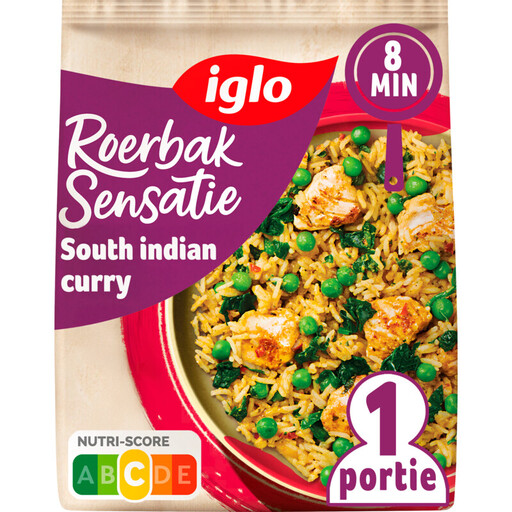
Why This Fits Their Persona: For those who want a complete, nutritious meal after a long day at work without any fuss. This single-serving stir-fry is a true `quick meal`.
This is a genuinely ready-to-eat meal. No extra shopping or chopping required. Ready in 8 minutes, exactly as promised.
A complete meal with rice, vegetables and chicken. Flash-frozen to preserve vitamins. A good source of protein.
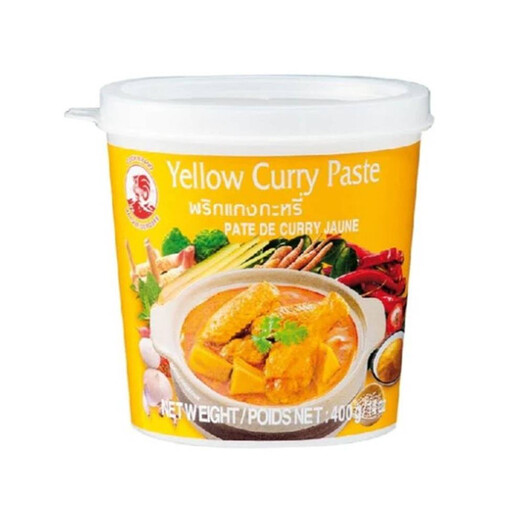
Why This Fits Their Persona: Perfect for those who want to create an authentic `Thai yellow curry` and control the freshness of the ingredients and the balance of flavours themselves.
With a `curry paste`, you are in complete control. You won't add unnecessary sugars or salt unless you choose to. You determine the spice level by adjusting the amount of paste.
Made with a traditional blend of spices for a rich, aromatic flavour. Versatile for use in curries, soups and marinades.
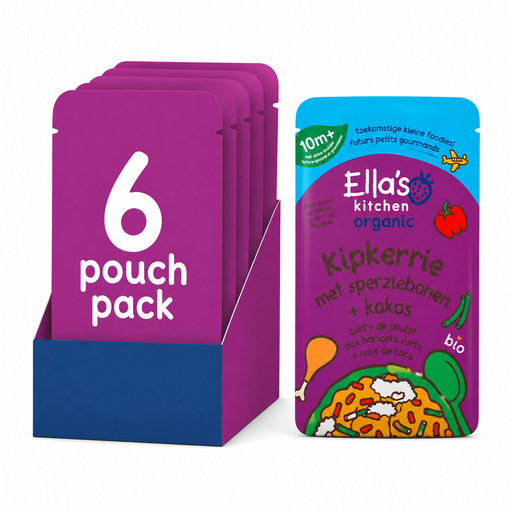
Why This Fits Their Persona: For parents who want to introduce their baby (from 10 months) to new flavours without worrying about unsuitable ingredients.
This product is specially developed for babies. It contains no added sugar or salt, and the spices are very mild. This helps you bypass the pitfalls of overly spicy flavours and hidden additives.
100% organic ingredients. The chunky texture encourages chewing. Convenient pouch for use at home or on the go.
We've compiled a complete, up-to-date list of products that meet these selection criteria and comply with current regulations.
It's simpler than you think. First, sauté a few tablespoons of curry paste in a pan with a little oil until fragrant. Then, add a can (400 ml) of coconut milk and stir well until the paste is fully dissolved. Let the sauce simmer gently, then add your chicken and vegetables.
The main difference lies in the base and the spices. An Indian curry often uses a base of onion, garlic, ginger and tomatoes, and is finished with cream or yoghurt. The flavour is deep and earthy. A Thai curry starts with a paste of fresh herbs like lemongrass and galangal and uses coconut milk as its base, resulting in a lighter, often sweeter and fresher taste.
Yes, in most cases, you can. Chicken curry made with a coconut milk or tomato base freezes well. Allow the meal to cool completely and freeze it in an airtight container. Curries made with yoghurt or cream can sometimes separate or curdle upon thawing, so they are less suitable for freezing. A ready-made curry meal from the freezer section is, of course, already designed to be stored frozen.
