
Vandaag of morgen in huis

Kwaliteit gegarandeerd

Welkomstaanbiedingen ontgrendelen: GRATIS bezorging | Tot 80% korting | Gratis 30 dagen JoyPlus-proefperiode
Download de app
A pouch of chicken cat treats may seem easy to choose. However, chicken cat treats vary considerably in ingredients, texture, moisture content and intended use. A crunchy treat for occasional use is very different from a liquid cat treat mixed into wet food.
Pay particular attention to these three pitfalls:
Start by checking the legal product name, followed by the ingredients. A product with “chicken” in its name can take several forms:
The MjAMjAM Snack-Box Select Chicken Stomachs, for example, states that it contains 100% chicken stomachs. According to the product information, the treat contains 82.9% crude protein and 2.2% moisture. This is a dry treat, not a replacement for wet food or water.
Also check for allergens and additives. A product description may state that the treat contains none of the 14 major EU allergens, but always check the packaging when buying. Labels can vary between flavours or pack sizes.
If you are looking for a cat treat for hydration, a liquid or wet option is more suitable than dried chicken. The moisture content is listed under analytical constituents.
A liquid cat treat can be given directly, used as a topping or used to hide medication. Only use a method that is compatible with your vet’s instructions; not every medicine can be mixed with food.
A low-calorie treat per serving can be practical for cats that quickly receive too many extras. Do not just look at the figure per 100 grams; also check the recommended daily serving.
INABA CHURU states approximately 6 calories per stick. The multipack recommends a maximum of 3 to 4 sticks per day for adult cats and emphasises that it is complementary food. Catisfactions Chicken lists less than 2 kcal per serving, while its analytical energy value is 416 kcal per 100 grams. The serving size therefore makes a difference.
Also check whether the treat is suitable for kittens. According to the product information, Whiskas Cat Sticks Chicken Flavor are not suitable for kittens, while Catisfactions is listed for adult cats and kittens from 8 weeks old. Choose treats for young, older or sensitive cats based on the label, and ask a vet for advice if you are unsure.

Why it suits this profile: These cat treat sticks are easy to break into small pieces, making them useful as a daily reward. The pack contains three 6-gram sticks.
The product information lists the ingredients, a chicken percentage of 26% within the animal ingredients and a maximum of one piece per day. This makes the serving easier to control.
80% meat according to the product description, an easy-to-break texture and a clear recommended serving. Not suitable for kittens.
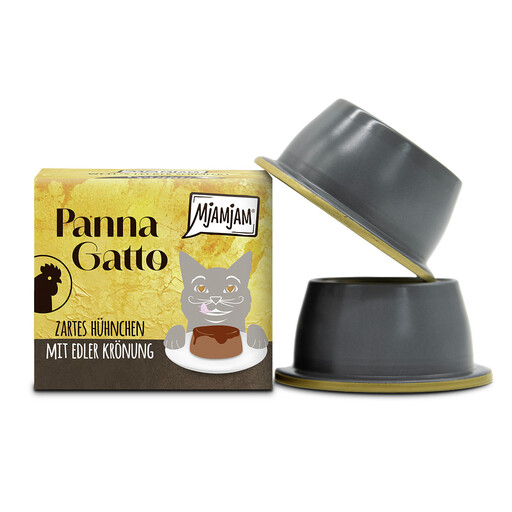
Why it suits this profile: The soft pâté with broth and topping is suitable for cats that do not want crunchy pieces. The 80-gram portions are ideal as a special treat or as an addition to a meal.
The ingredients are clearly specified: 69% pâté with chicken, heart and liver, and 31% topping with broth and apple extract. It is not a vague “chicken flavour” treat.
Soft texture, broth among the ingredients and two 80-gram portions. Use as complementary food and follow the storage information on the packaging.
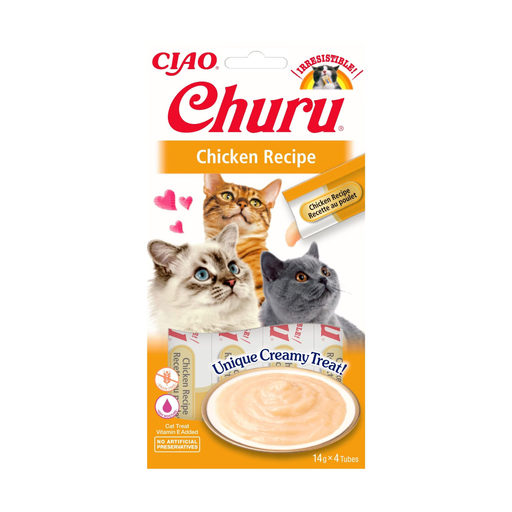
Why it suits this profile: The creamy stick is practical for cats that drink very little, as a topping or when you are looking for a soft treat. According to the product information, each treat contains approximately 6 calories.
The analysis lists a moisture content of 90.5%. This makes the difference from dry chicken treats immediately clear. However, the treat remains complementary food and does not replace drinking water.
90.5% moisture, a stated low calorie content and several ways to use it: give directly, use as a topping or hide medication inside it.
We have put together a complete, up-to-date list of products that fully meet these strict selection criteria and the applicable European safety regulations.
Not every product containing chicken is suitable for cats. The listed MeatyWay Chicken Tenders, Chicken and Purple Sweet Potato and similar varieties are dog treats according to the product information. Petsnack Semi-Moist Chicken is also intended for dogs. Always check the “suitable for” section before placing your order.
The same distinction applies to dental treats. Whiskas Dental Treats Chicken Flavor is intended for adult cats and contains 18% chicken according to the label. The treat contains 325 kcal per 100 grams, with a recommended maximum of 17 pieces per day. Consider the texture and brand claim as part of your product choice, not as a replacement for regular dental care.
That depends on the product. Some varieties are suitable from 8 weeks old, while Whiskas Cat Sticks are not suitable for kittens according to the product information. Check the life-stage guidance on the packaging and do not give young cats treats intended only for adult animals.
Liquid varieties such as INABA CHURU CAT Chicken list 90.5% moisture. The INABA Fun Bites varieties list 93%. They can add extra moisture to treat time, but fresh drinking water must always be available. If your cat consistently drinks very little or its drinking habits change, consult a vet.
Follow the serving guidance on the label and take your cat’s weight, age, activity level and main diet into account. Treats are complementary food, so you may need to adjust the main meal. Start new treats in small quantities and stop giving them if your cat develops digestive problems or another unwanted reaction.
