
Vandaag of morgen in huis

Kwaliteit gegarandeerd

Welkomstaanbiedingen ontgrendelen: GRATIS bezorging | Tot 80% korting | Gratis 30 dagen JoyPlus-proefperiode
Download de app
Chicco children’s sandals may seem easy to compare at first. But small differences in sizing, materials and fastenings can determine whether a pair is suitable for everyday wear. A low price alone isn’t enough, especially when your child’s feet are growing quickly.
Look out for these common pitfalls:
Measure both feet while your child is standing. Use the longer foot as your guide and compare the measurement with the size chart for the specific model. Sandals shouldn’t pinch, but too much room can cause the foot to slide forwards.
For children’s shoe sizes 23 to 32, it’s especially important not to rely on age alone. The available product information includes Chicco sandals in size codes 230, 240, 250, 260, 270, 280, 290, 310 and 320. The stated ages range from around 24 months to 8 years. Use these details as a guide, and check the actual sizing before you buy.
The Chicco models available use different material combinations:
Material percentages are useful, but they don’t tell you everything about fit or breathability. Also check how the sandals fasten, whether the sole feels sturdy enough and whether the seams create any pressure points. Always follow the care label when cleaning them. Not all materials are suitable for washing, soaking or prolonged contact with water.
Sandals with an easy-to-adjust fastening are practical for toddlers and young children. You can adjust the fit if your child’s foot is a little narrower or wider. For everyday wear at school, in the playground or on holiday, hard-wearing materials and easy care are often more important than eye-catching details.
An open sandal may be suitable for warm days, but check that it provides enough support around the toes and heel for your child’s activities. If the sandals will get a lot of wear, regularly check for loose seams, wear on the sole and a fastening that no longer stays securely closed.
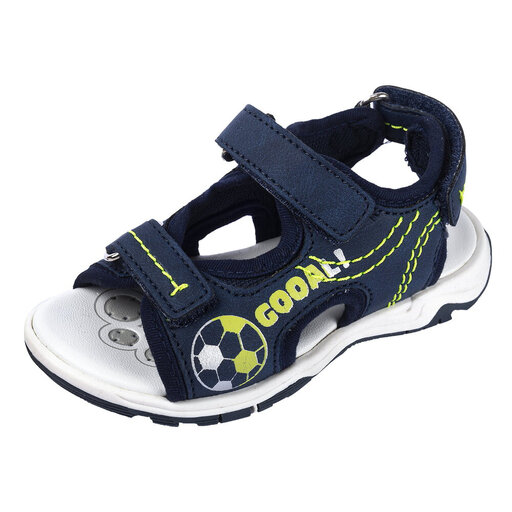
Why it suits this buyer: This dark blue model is a straightforward choice for parents looking for a simple pair of Chicco boys’ sandals. The product information lists size 230 and 100% polyurethane-coated support.
The colour and size code are clearly stated. Before ordering, check that size 230 matches the required EU size and foot length.
Dark blue design; materials clearly specified; a useful starting point for comparisons.
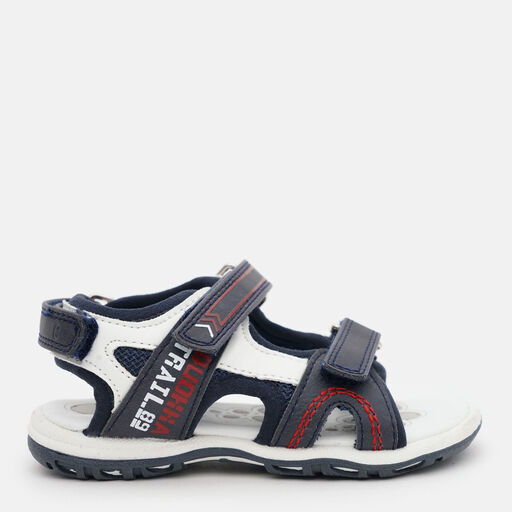
Why it suits this buyer: According to the product details, the Chicco Conner sandals combine 80% polyurethane-coated support with 20% polyester. This makes them worth considering if material information is a priority for you.
The materials are specified rather than described simply as “comfortable”. You’ll still need to check the fit and fastening separately.
Conner model; dark blue colour; size 260; material combination clearly stated.
Why it suits this buyer: According to the product information, this model is designed for boys and comes in size 320, with an age recommendation of up to 8 years. It may suit older children who need summer shoes for everyday wear.
The size and materials are clearly described. Before buying, check that the fit is suitable for long walks and active outdoor play.
Size 320; dark blue design; 80% polyurethane-coated support and 20% polyester.
We’ve put together a full, up-to-date list of products that meet these strict selection criteria and the applicable European safety regulations.
Use this quick checklist:
It depends on your child’s foot length and the specific size chart. An age recommendation such as 24 months or 4 years can help you narrow down your options, but it’s no substitute for measuring. Measure both feet and choose based on the longer one.
The product information describes several models as suitable for everyday wear. In practice, this depends on the fit, fastening, surface and activities. Check regularly for signs of wear and follow the care label.
Their lifespan depends on how quickly your child’s feet grow, how often the sandals are worn, the surfaces they’re worn on and how well they’re cared for. A sandal may still look in good condition even when your child needs more room. Check the fit regularly, particularly for toddlers and young children.
