
Vandaag of morgen in huis

Kwaliteit gegarandeerd

Welkomstaanbiedingen ontgrendelen: GRATIS bezorging | Tot 80% korting | Gratis 30 dagen JoyPlus-proefperiode
Download de app
A pair of Chicco sandals for boys may seem easy to choose, but there are a few things parents can quickly get wrong. An attractive colour says little about the fit, while a size label such as 230 or 290 may not be immediately clear to every parent. Materials are also sometimes described in general terms such as “comfortable” or “practical”, without explaining exactly what the shoes are made of.
With this buying guide, you can compare Chicco sandals for boys by size, age, material, colour and intended use. This helps you avoid buying a pair that proves too small after a short time, is difficult to care for or isn’t suited to everyday wear.
Age recommendations are useful as a starting point, but children don’t all grow at the same rate. For example, the range includes size 150 for 0–1 month, size 170 for 3–6 months and size 230 for around 24 months. So don’t treat age as a substitute for measuring your child’s feet and checking the size guide.
The product information uses codes such as 150, 190, 230, 250 and 290. Always check how the retailer matches each code to an age and size. For example, size 290 is listed for children up to around 6 years old, while size 320 is matched to around 8 years old. So don’t automatically buy a larger size for your child to grow into.
Not all sandals are made from the same materials. According to the product information, the grey styles have 70% polyester and 30% polyurethane-coated support. The Chicco Conner styles are made from 80% polyurethane-coated support and 20% polyester. The fuchsia styles are listed as 100% cotton. These differences may affect the look, everyday use and care of the sandals. Follow the washing and care instructions on the label for each style.
Start by measuring both feet, preferably at the end of the day. Use the longer foot as your guide and compare the measurement with the size guide for your chosen product. Also check for:
The product information gives an age range for several styles, but the fit details aren’t the same for every version. So check the current product page before ordering.
For everyday wear, ease of care and durability are often more important than a standout colour. Polyester and polyurethane-coated support are listed for several Chicco styles. According to the product information, the fuchsia sandals are made from 100% cotton. This is verifiable information, but it doesn’t in itself mean that a style is right for every foot or activity.
Think about how the sandals will be used:
Dark blue sandals for boys are easy to pair with shorts and casual clothes. Grey styles are also a neutral choice. If you’re looking for a bolder accent, you could choose fuchsia sandals for boys. However, colour doesn’t determine fit or care requirements. Compare the size, style and material first, then choose the version that suits your child’s clothes and preferences.
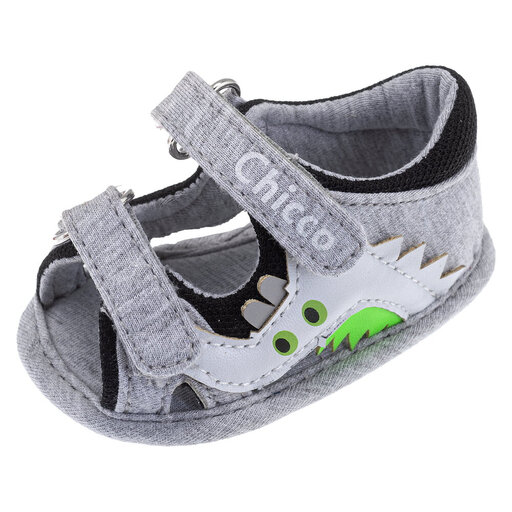
Why it suits this profile: The grey version is a neutral choice for everyday wear for young babies aged around 3 to 6 months.
The age recommendation and size 170 are clearly stated. Be sure to measure your child’s feet before ordering.
Grey colour; 70% polyester and 30% polyurethane-coated support; care according to the label.
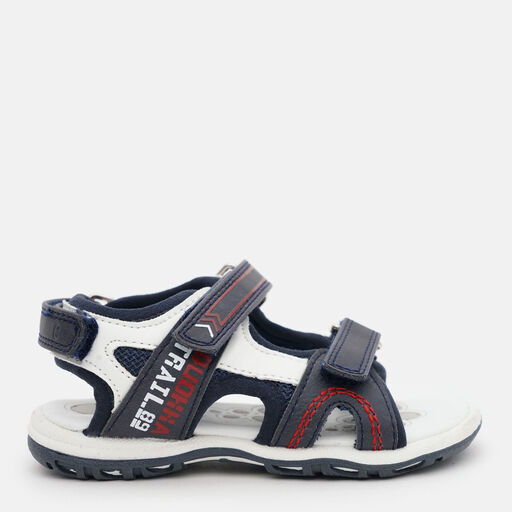
Why it suits this profile: These Chicco Conner sandals are aimed at children around 6 years old who want a neutral colour and a practical material.
The product page lists the style, colour, size and age separately, so you can check your choice carefully.
Dark blue colour; Conner style; 80% polyurethane-coated support and 20% polyester.
Why it suits this profile: Size 320 is listed for children up to around 8 years old. This makes the style a relevant option for older children who do a lot of walking.
The style and material composition are clearly stated. Also check the fastening and fit for frequent wear.
Chicco Conner style; dark blue; size 320 with an age recommendation of up to around 8 years.
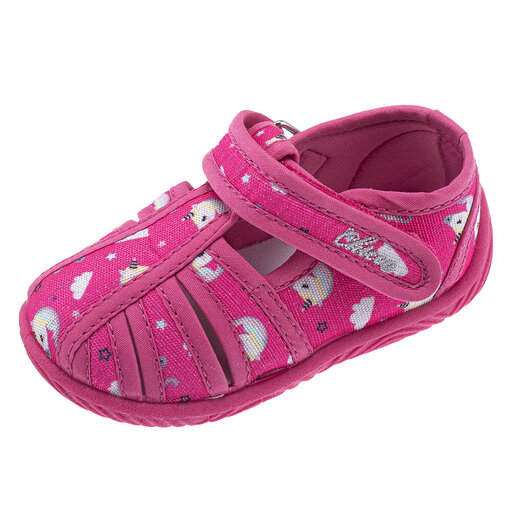
Why it suits this profile: The fuchsia version is a good choice for parents who want a bold colour as well as the right size and practicality.
Size 210 and the age recommendation of 12 to 18 months are clearly stated. Check your child’s foot length before buying.
Fuchsia colour; 100% cotton according to the product information; care according to the label.
Always use the product size code alongside the age recommendation and current sizing information. The range includes:
These are product recommendations, not a guarantee that the sandals will fit. Measure your child’s foot and check the product page before you pay.
We’ve put together a complete, up-to-date list of products that meet these strict selection criteria and the applicable European safety regulations.
Measure both feet and compare the longer one with the product’s size guide. Use the stated age only as an additional guide. Don’t assume that a code such as 230 or 290 is the same as a standard shoe size without checking.
The product descriptions say that the styles are suitable for everyday wear. However, that doesn’t mean every style is right for every activity. Check the fastening, fit, sole and care instructions on the product page before using the sandals for long walks or energetic outdoor play.
Always follow the washing and care instructions on the label for your chosen style. Materials vary between versions: some sandals contain polyester and polyurethane-coated support, while others are listed as 100% cotton. Don’t use any cleaning product that isn’t recommended by the manufacturer or on the label.
