
Vandaag of morgen in huis

Kwaliteit gegarandeerd

Welkomstaanbiedingen ontgrendelen: GRATIS bezorging | Tot 80% korting | Gratis 30 dagen JoyPlus-proefperiode
Download de app
A pair of Chicco sandals for boys might seem easy to choose, until you compare different sizes, materials and styles. A sandal that looks sturdy in a photo might turn out too roomy, tricky to fasten or less suited to energetic outdoor play. Use these checks to avoid a disappointing purchase and find the right Chicco boys’ sandals for babies, toddlers and boys up to around 8 years old.
Age guidance is useful as a starting point, but children don’t all grow at the same rate. The product information includes sizes such as 190, 200, 240, 250, 280, 290, 310 and 320. Always check the size shown and compare it with your child’s current foot length.
Sandals that are too small can rub more easily. If they’re too big, your child’s foot may slide forwards or they may feel less stable when walking. So don’t automatically buy a size “to grow into”.
Dark blue sandals for boys are popular because they’re easy to coordinate and don’t show dirt as readily. However, colour tells you nothing about the fit, fastening or material. A style name such as Conner Sandals also doesn’t, by itself, tell you how the sandals will feel during a long day outdoors.
Always check the product specifications. Look at the upper material, size and intended age group. A brand’s claims about comfort or support shouldn’t be taken as guaranteed results. This guide is based on the product information provided.
For sandals for baby boys and sandals for toddler boys, it’s important to know which materials come into direct contact with the foot. The range includes:
These materials differ in how they look, feel and need to be cared for. Check the washing or care label too. The product information advises following the instructions on the label.
If you’re looking for sandals in sizes 19 to 32, you’ll often find several versions of the same style. Sizes in the range may be shown as three-digit codes, such as 240 or 290. Before ordering, check carefully how the size is explained on the product page.
A practical check:
A synthetic upper can be practical for everyday wear, while cotton feels different and needs different care. Neither material is automatically right for every child or situation. Think about how the sandals will be used: for short outings, childcare, holidays or lots of outdoor play.
Good care matters when sandals get wet, sandy or dirty. Let them dry according to the product instructions and avoid cleaning products that aren’t mentioned on the label. This helps prevent unnecessary damage to the material.
Check the product photos and page to see how the sandals fasten. A fastening that’s quick to adjust can be useful for young children. For older boys, a sturdier style may be practical for longer walks or outdoor play.
Also consider the shape of your child’s foot. A sandal that stays put on a narrow foot may fit differently on a wider foot. Product photos can help you narrow down the options, but the stated size and product specifications should guide your choice.
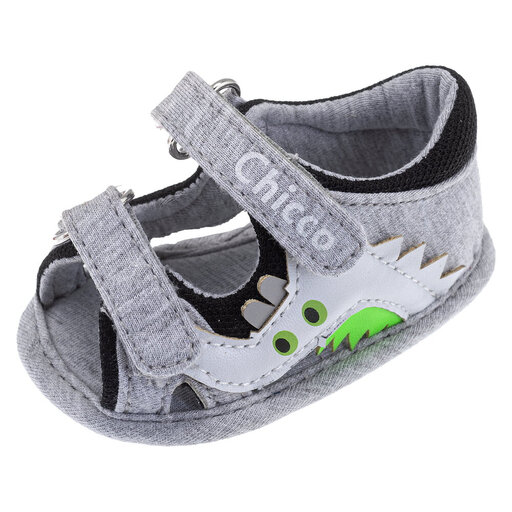
Why it suits this need: According to the product information, this grey style is for boys aged around 6 to 9 months and is made from 70% polyester and 30% polyurethane-coated material.
The size and age guidance are clearly stated, so you don’t have to rely on colour or a general age estimate alone.
A grey colourway and specified synthetic material; be sure to check the exact size shown before buying.
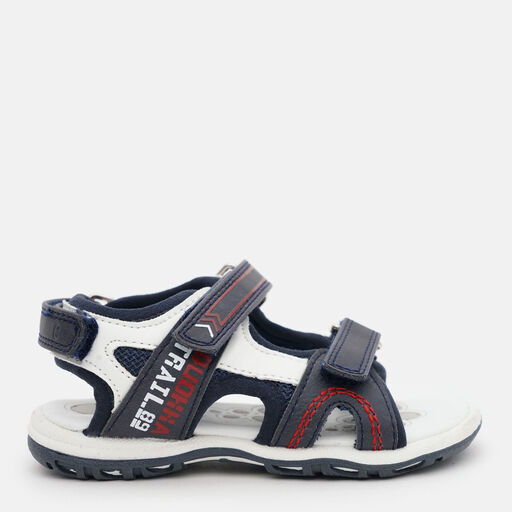
Why it suits this need: According to the product information, the dark blue Conner sandal is for boys up to around 24 months and is made from 80% polyurethane-coated material and 20% polyester.
The product specifications state the style, colour, size and material composition.
A dark blue design with the same material composition as other Conner styles; compare the fit with the size chart.
Why it suits this need: This version is listed for boys up to around 8 years old, making it worth considering for older children who need a larger size.
This choice is based on the stated size 310 and age range, not a general claim about fit.
A dark blue Conner style, made from 80% polyurethane-coated material and 20% polyester, with an age range that covers older children.
We’ve put together a full, up-to-date list of products that meet these strict selection criteria and the applicable European safety requirements.
Use the age on the product page as a guide only. Measure both feet and compare the measurements with the stated size. The range includes styles in small sizes for babies and larger sizes for boys aged around 8.
Dark blue goes with lots of children’s clothes and can help certain marks go unnoticed. However, colour tells you nothing about durability, comfort or fit. Always check the material, fastening and care instructions.
How long they last depends on your child’s growth, how many hours they wear them, the surfaces they walk on and how well they’re cared for. Check regularly that there’s still enough room for their toes, the sole isn’t showing obvious signs of wear and the fastening is working properly. Replace the sandals when they no longer fit well, even if they still look in good condition.
