
Vandaag of morgen in huis

Kwaliteit gegarandeerd

Welkomstaanbiedingen ontgrendelen: GRATIS bezorging | Tot 80% korting | Gratis 30 dagen JoyPlus-proefperiode
Download de app
Anyone looking for Chicco sandals for boys usually wants to find a suitable pair quickly for warm days, childcare, holidays or everyday wear. However, the wrong choice can result in shoes that come up too small, are difficult to clean or are not well suited to the occasion. The product name alone does not tell you enough. Pay particular attention to the size, material and intended use of the sandals.
Age indications are useful as a starting point, but children do not all grow at the same rate. Sizes can also vary between models. For example, the range includes sandals in sizes 180 or 190 for the stated age of 06M-09M, while size 250 is linked to an age range of up to around 3 years.
Therefore, measure your child’s foot length and compare it with the size chart for the model you have chosen. Also check the fit around the instep and heel. Sandals ordered based on age alone may be too tight or too loose in practice.
Cotton feels different from polyester or polyurethane-coated support. That does not automatically mean one material is suitable for every use. A pair for quiet everyday wear requires different features from sandals that are regularly worn outdoors.
The product information for some Chicco children’s shoes states 100% cotton, while other models contain 70% polyester and 30% polyurethane-coated support. Another model has 80% polyurethane-coated support and 20% polyester. Always follow the washing and care label. Without checking this, washing, drying or prolonged exposure to moisture could damage the shoe.
Navy boys’ sandals are easy to pair with a wide range of outfits. Grey boys’ sandals also have a subtle, understated look. Fuchsia boys’ sandals stand out more and can be useful if you are looking for an easily recognisable colour. However, colour tells you nothing about size, material or fit.
So check the technical details first, then choose the colour. This helps prevent you from buying a pair that looks appealing but is not suitable for everyday use.
Check the following before buying:
The range includes boys’ shoes in sizes 18 to 27, depending on the model and the size notation shown. The product page remains the definitive source. Do not stretch the foot tightly along a ruler and, where possible, measure both feet; use the longer measurement.
The material affects how the sandal feels on the foot, how it should be cared for and how suitable it is for different conditions. Pay attention to the difference between:
These percentages come from the product descriptions. They are not a guarantee of a specific experience for every child. Also check that the upper, lining and fastening match your requirements.
For babies and toddlers, sandals are most practical when they are easy to put on and take off and stay securely in place during normal walking and play. When choosing sandals for babies and toddlers, check that the size is suitable and that there are no loose parts or signs of damage.
Clean the sandals according to the label and allow them to dry completely before using them again. Do not use harsh cleaning products unless recommended by the manufacturer. If in doubt, a damp cloth followed by careful air-drying is a safe starting point, but the care label takes priority.
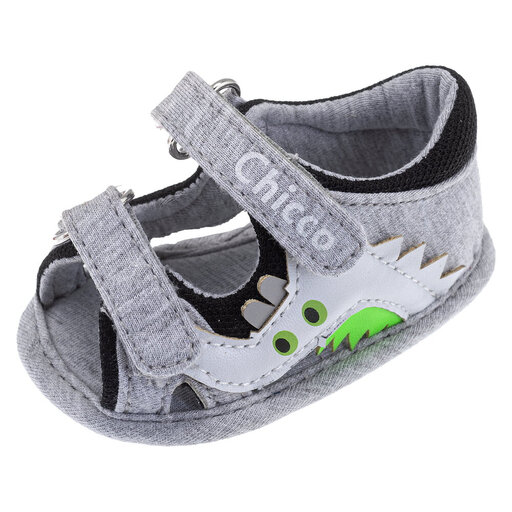
Why it suits this profile: This grey model is a straightforward choice for parents who first want to compare the size and material composition for a baby of around 06M-09M.
The product information gives both size 180 and the age indication 06M-09M, and states 70% polyester and 30% polyurethane-coated support. This makes it easier to compare options in advance than ordering based on colour alone.
Grey colour; the material composition and care instructions are clearly stated on the product page.
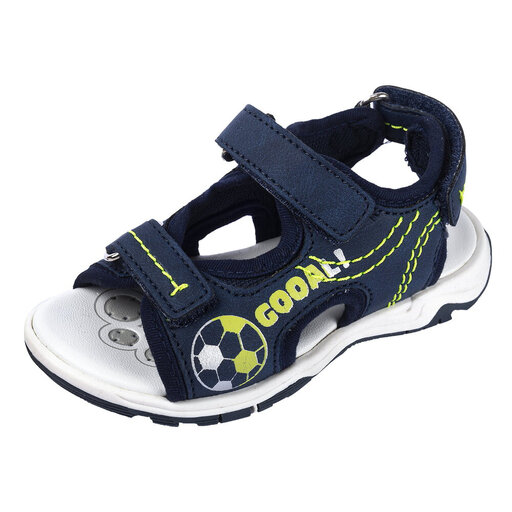
Why it suits this profile: The navy colour is ideal for parents looking for a neutral sandal for regular use and a range of outfits.
The composition of 100% polyurethane-coated support is stated. This allows you to check in advance whether the material suits your care preferences.
Navy; size 250; age indication up to around 3 years according to the product description.
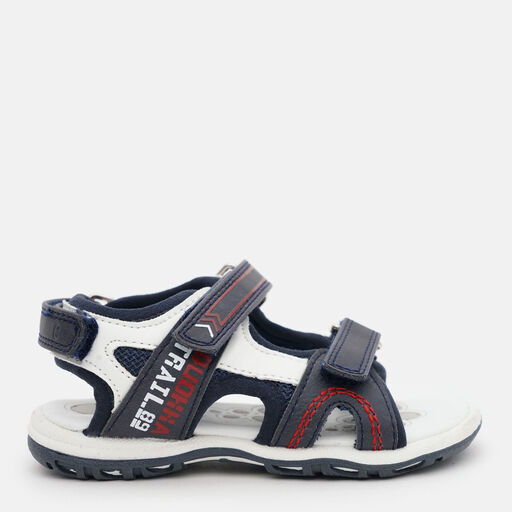
Why it suits this profile: This Conner model is worth considering if you are looking for a navy sandal in size 260 for a toddler of up to around 3 years.
The product page specifies exactly 80% polyurethane-coated support and 20% polyester. This allows you to compare the material directly with other Chicco baby sandals.
Conner model; size 260; navy design; material mix clearly specified.
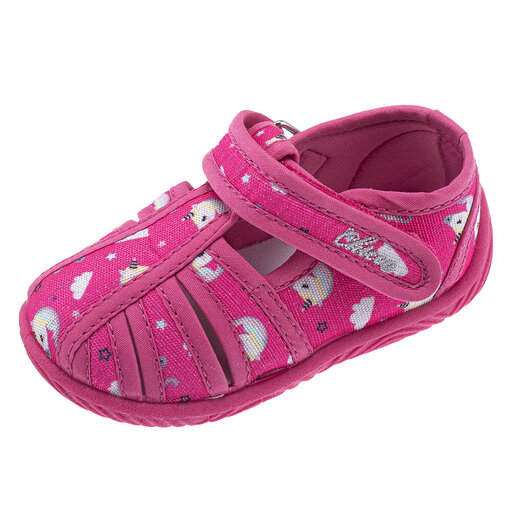
Why it suits this profile: This fuchsia design is suitable for anyone looking for a striking colour in a small size for a baby or young toddler.
As well as the colour, the product information states size 190 and the age indication 06M-09M. The composition of 100% cotton helps you factor care requirements into your decision from the outset.
Fuchsia colour; size 190; 100% cotton according to the product information.
Use this quick checklist before placing your order:
With Chicco sandals for boys, the model, colour, size and material may vary between product codes. Always check the full product description rather than relying solely on the main image.
We have compiled a complete, up-to-date list of products that fully meet these strict selection criteria and the applicable European safety regulations.
That depends on your child’s foot length and the specific model. Use the age indication as a guide only. Measure the foot and compare the result with the size chart on the product page. The available models in the selection provided range from size 180 to 270, among others.
The product descriptions position these sandals as suitable for everyday use. Whether a pair is right for your child depends on the fit, material, fastening and the conditions in which you use them. Check your child’s feet regularly, particularly during periods of growth, and follow the care label.
How long they last depends on more than wear and tear. With young children, feet may grow faster than the sandals show visible signs of wear. Regularly check that there is enough room for the toes, that the heel fits securely and that the material has no cracks or loose parts. Replace the pair when the size or condition of the sandals is no longer suitable.
