
Vandaag of morgen in huis

Kwaliteit gegarandeerd

Welkomstaanbiedingen ontgrendelen: GRATIS bezorging | Tot 80% korting | Gratis 30 dagen JoyPlus-proefperiode
Download de app
A long-sleeve shirt is a practical wardrobe staple for babies and children. It can be worn on its own, layered under a jumper, or used as an extra layer on cooler days. However, a Chicco long-sleeve shirt for children isn’t automatically the right purchase just because the colour and size look good. Pay particular attention to size labels, material information and care instructions.
Age labels are handy as a first guide, but children don’t all grow according to the same chart. A shirt for 6 months might fit one child perfectly, yet be too tight or too loose on another. So always check the length measurement in centimetres as well as the listed chest, waist and hip measurements.
With Chicco clothing in sizes 50 to 152, the labels range from baby sizes 50 and 56 up to children’s sizes 128, 140 and 152. Check each product page to see which size chart applies to that specific style.
Not every product listing uses the same notation. For example, size 62 in a baby collection might be listed as approximately 6 months, while another chart might link a different age to size 62. On some styles, the size appears as M6, M9, 6M or simply 62.
So don’t just compare the title of a Chicco long-sleeved T-shirt; also check the size chart for the specific item you’ve chosen. That way, you won’t blindly order the same size based on a previous purchase.
A product description might say a shirt is suitable for everyday wear or offers comfort. That doesn’t automatically tell you about the fibre composition, stretch, thickness or fit. For the Chicco long-sleeve shirts listed here, the exact composition isn’t stated for every style.
If you specifically want a cotton children’s shirt, check whether cotton is actually mentioned in the product information or on the label. Only rely on a material claim when it can be verified.
Look out for these details:
For babies, a wide or gently stretchy neckline is practical for dressing and undressing. If this isn’t mentioned in the description, don’t automatically assume the style has extra stretch.
Check whether the product page gives information about:
A white children’s shirt is easy to style, but stains show up more quickly. A dark blue children’s shirt is equally versatile and can be more practical for school or outdoor play. A yellow children’s shirt or red children’s shirt adds more colour to an outfit, but may not go as well with all trousers and cardigans.
Always follow the label. The permitted washing temperature, drying method and ironing instructions can vary depending on the composition. A shirt that gets washed often needs to fit in with your daily routine. After washing, check whether the fabric, neckline and length hold their shape; that’s useful information for your next purchase, but it’s no guarantee for every style.
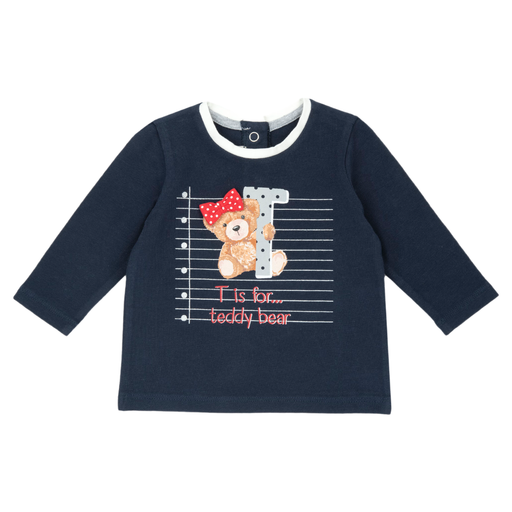
Why this fits the profile: A simple dark blue baby long-sleeved shirt works as a daily staple and is easy to pair with different outfits.
The product listing clearly states size 62 and dark blue. Before ordering, do check the corresponding size chart, as age ranges can vary between Chicco listings.
Long sleeves, dark blue colour and a stated size 62; suitable for everyday combinations.
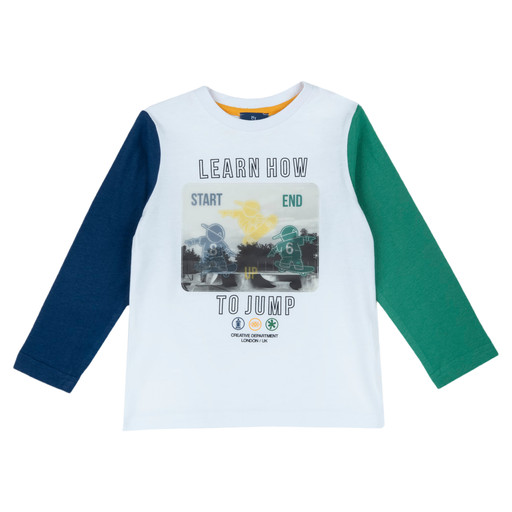
Why this fits the profile: The white colour works as a neutral base for school, nursery and layering. Size 110 is aimed at an older child than the baby versions.
The colour and size are clearly stated in the product title. Check the size chart and wash label before ordering; the available material information does not automatically mention cotton.
White colour, long sleeves and size 110; useful as a standalone shirt or under a cardigan.
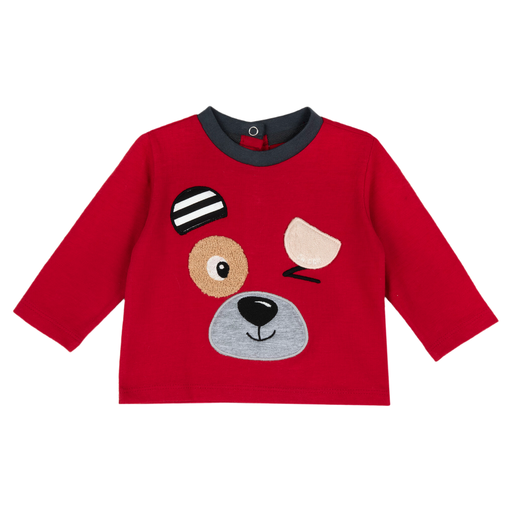
Why this fits the profile: The red colour makes the shirt easy to spot in a daily wardrobe and can be worn as a standalone piece.
The stated size and colour help with targeted searching. With heavy use, it remains important to follow the wash label and rotate between several shirts.
Red colour, long sleeves and size 62; suitable for daily wear and layering.
We’ve put together a full, up-to-date list of products that fully meet these strict selection criteria and comply with current European safety regulations.
A long-sleeve shirt isn’t usually tied to a specific gender. A dark blue or white style goes with many outfits and can be chosen as either a boys’ shirt or a girls’ shirt. When it comes to colour choice, what matters most is the existing clothing you have at home.
For babies, look for easy dressing and undressing. For toddlers and school-age children, freedom of movement, the right sleeve length and a washable fabric are often more important than a bold print. If you want to buy several shirts, first compare the available sizes and colours within the same product range.
Use age only as a guide. Measure the chest, waist and hips if needed, and compare these with the size chart for the specific product. Also pay attention to the length label, such as 62, 74, 110 or 152.
Yes, the styles listed include baby and children’s sizes. However, do check the neckline, sizing and washing instructions for the item you choose. A shirt that’s suitable for everyday wear isn’t automatically intended as an undergarment.
That depends on how quickly your child grows, how often it’s worn, the fabric and how you care for it. By rotating shirts and following the wash label, you can limit unnecessary wear and tear. After repeated washing, check the fit, seams and sleeve length in particular.
