
Vandaag of morgen in huis

Kwaliteit gegarandeerd

Welkomstaanbiedingen ontgrendelen: GRATIS bezorging | Tot 80% korting | Gratis 30 dagen JoyPlus-proefperiode
Download de app
A pair of sandals for a boy needs to stand up to everyday wear, fit comfortably and be easy to care for. But choosing the right pair isn’t always straightforward. Product photos, for example, don’t always show how a fastening works, while an incorrect size may only become obvious after a few days. This buying guide helps you compare Chicco boys’ sandals using verifiable product details, so you can make a more informed choice.
Age indications are only a guide. The range includes Chicco sandals with size codes such as 220, 230, 250, 260, 270, 290, 300 and 320. Product information links these codes to age groups from around 18 months to 8 years, but children don’t all grow at the same rate.
So always check:
Dark blue Chicco sandals often show dirt less than lighter colours, but that doesn’t mean every material can be cleaned in the same way. The selected styles are made from polyurethane-coated support material. Some Conner styles are also listed as containing 20% polyester.
This may be practical for everyday wear, but always follow the care label. Don’t use harsh cleaning products unless you know they’re suitable for the material.
Words such as “comfortable” or “ideal for every day” don’t tell you much on their own. Instead, look at the specific information: material, size, style, colour and care instructions. According to the available product descriptions, these Chicco styles are intended for everyday wear and easy care. That doesn’t guarantee the same fit for every foot.
The standard dark blue Chicco sandals are listed as being made from 100% polyurethane-coated support material. The dark blue Chicco Conner sandals are made from 80% polyurethane-coated support material and 20% polyester.
These details can help you compare styles, but they don’t tell you everything about how the sandals will feel to wear. Also check whether:
The boys’ sandals listed in sizes 22 to 32 are shown in the product data with codes such as 220 to 320. This notation isn’t the same as a Dutch shoe size in centimetres. So use the size shown on the specific product page and compare it with your child’s foot.
Ideally, measure both feet at the end of the day. Choose a size based on the longer foot and allow for normal movement. Sandals that are too small can quickly become unwearable. Sandals that are much too big may feel less stable when walking and playing.
Look at the manufacturer details, style, country of origin and care instructions. The Chicco products mentioned list Artsana S.p.A. as the manufacturer. When buying, also check the returns information, product safety details and any warnings.
A product description can’t provide individual fit advice. If you’re unsure about the size or shape, it’s a good idea to measure your child’s feet again and compare the measurements with the details for the style you’ve chosen.
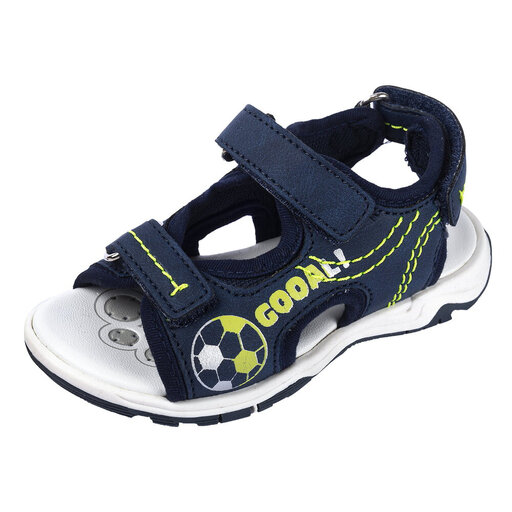
Why it suits this profile: This dark blue sandal is linked to an age indication of around 18 to 24 months, making it a practical first choice for young children.
The product page gives a specific size code, age indication, colour and material, so you don’t have to rely on an lifestyle photo alone.
Dark blue; 100% polyurethane-coated support material; follow the care label.
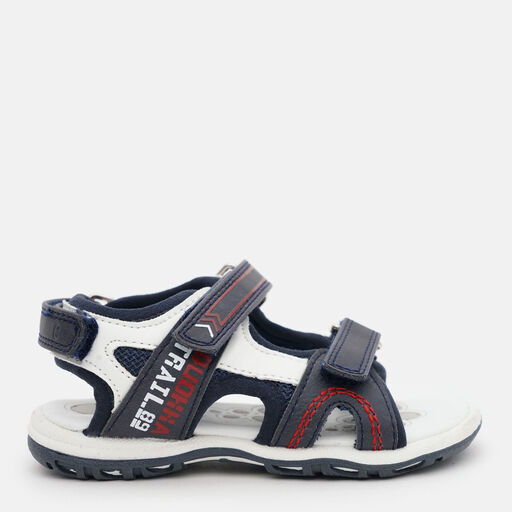
Why it suits this profile: This style combines a Chicco Conner construction with a size indication for around age 3, making it a good option for parents who want to consider both material and style name.
The composition is clearly specified as 80% polyurethane-coated support material and 20% polyester.
Conner style; dark blue; material composition listed on the product page.
Why it suits this profile: The stated age range goes up to around 7 years, making this style worth considering if you’re looking for dark blue sandals for an older child.
The product data shows a specific size code and age indication, helping you compare more precisely than a general description would.
Dark blue; 100% polyurethane-coated support material; described as suitable for everyday wear.
Why it suits this profile: This Conner sandal is linked to an age indication of around 6 years, making it a useful option if you’re looking for a larger size in the same style.
The colour, style name, size code and material composition are listed separately, making it easy to compare with other versions.
Conner style; dark blue; 80% polyurethane-coated support material and 20% polyester.
We’ve put together a complete, up-to-date list of products that meet these strict selection criteria and the applicable European safety requirements.
Use the age indication as a starting point only. Measure both feet, then check the size code on the product page. The styles listed in the range run from 220 to 320. As these codes don’t automatically indicate an exact foot length, it’s important to compare them with the available sizing information.
According to the product descriptions, the styles mentioned are intended for comfortable everyday wear and easy care. How they feel in practice depends on the fit, fastening, surface and how often your child wears them. Check regularly that your child’s foot isn’t slipping out of the sandal and that there’s no visible wear on the seams or sole.
Always follow the care label for the style you’ve chosen. Gently remove loose dirt and leave the sandals to air-dry. Avoid heat sources and cleaning products that aren’t designed for the material. This helps reduce the risk of damaging the coating.
