
Vandaag of morgen in huis

Kwaliteit gegarandeerd

Welkomstaanbiedingen ontgrendelen: GRATIS bezorging | Tot 80% korting | Gratis 30 dagen JoyPlus-proefperiode
Download de app
Buying a new pair of Chicco boys’ sandals seems simple, until you have to choose between different sizes, materials and age recommendations. This is especially true for babies and toddlers, as the wrong size can quickly result in a pair of shoes that barely gets worn. An attractive colour or low price also says little about the fit or how to care for them.
This guide will help you compare Chicco sandals for boys with confidence. You’ll find out what to look for, which product details you can check and which type of sandal suits different situations.
Age recommendations such as 06M-09M, 24M or 6 YEARS are just a guide. Children of the same age can have different foot lengths and widths. So always check the sizing information on the product page and compare it with your child’s foot measurements.
These Chicco models use codes such as 150, 170, 190, 230, 260, 290 and 310. Don’t assume these correspond directly to a UK shoe size. Check the available size chart before ordering.
A sandal bought deliberately too large may not feel as stable. Your child’s foot could slide forwards, or they could trip. So don’t choose a size based on growth alone: consider their current foot length and the shape of the style too.
A good fit is more important than extra growing room, particularly for baby boy sandals and toddler boy sandals. Fit, fastening and room around the toes deserve more attention than appearance alone.
A product’s materials tell you what it is made from, but don’t automatically tell you how a sandal will feel on every child or how long it will last. The Chicco products listed contain materials including cotton, polyester and polyurethane-coated support. These details can be checked against the product information, but they don’t guarantee a particular experience.
Also check the care label. The product information for these models advises following the washing and care instructions on the label. Washing, soaking or drying at a high temperature without checking first could damage the material.
Before ordering, run through this simple checklist:
Depending on the product code and available version, the range includes sizes from around 15 to 32. The exact size designation varies by style, so always check the individual product page.
The materials vary between Chicco models:
These details make it easier to compare the options. If you’re looking for a pair that’s practical to care for, don’t just consider the colour: check the care instructions too. For these models, the manufacturer advises following the washing and care label.
Dark blue boys’ sandals are often easy to pair with everyday clothes. Fuchsia stands out more, which can be useful if you want to spot your child’s pair quickly. Grey boys’ sandals are neutral and go with a range of outfits.
Colour doesn’t directly affect fit or durability, so use it as your final filter, after checking the size, style and material.
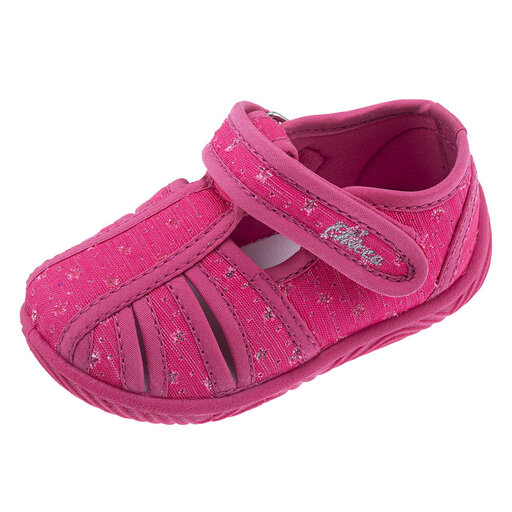
Why it suits this profile: According to the product information, the fuchsia version in size code 190 is aimed at young children aged around 06M-09M. This makes it an easy option to compare if you’re looking for a first pair and want to consider age, colour and material.
The product information lists the size code and age separately. Check both rather than choosing based only on the eye-catching fuchsia colour.
100% cotton according to the product details; eye-catching fuchsia colour; care as directed on the label.
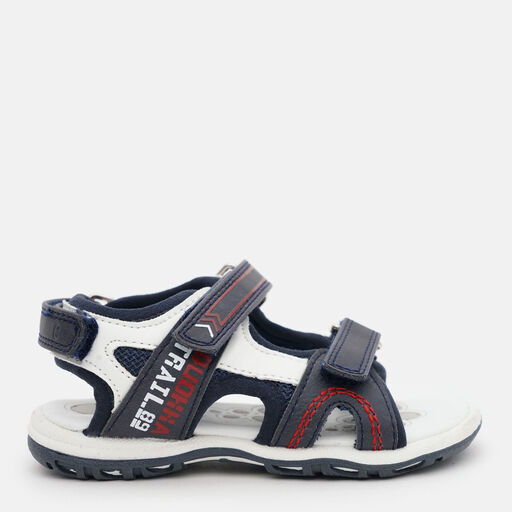
Why it suits this profile: According to the product details, the dark blue Conner sandal is intended for boys aged around 3. The style combines a neutral colour with a material composition of 80% polyurethane-coated support and 20% polyester.
The material composition is clearly listed, so you can compare this style without relying solely on general claims such as comfortable or sturdy.
Conner style; dark blue version; material proportions clearly specified.
Why it suits this profile: According to the product information, this larger Conner version is aimed at children aged around 8. The dark blue colour and care instructions make it suitable for everyday wear at home, at school or on the go.
The age recommendation and size code are shown in the product details. Check your child’s actual foot size before choosing this larger version.
Size code 310; Conner style; 80% polyurethane-coated support and 20% polyester according to the product description.
We’ve put together a complete, up-to-date list of products that meet these strict selection criteria and the applicable European safety regulations.
Use your child’s foot length and the size chart for the specific product. Age is only a guide. For models with codes such as 190, 230 or 260, the equivalent UK shoe size may vary by product.
There are versions with age recommendations starting at 00M-01M and 06M-09M, as well as models for toddlers and children up to around 8 years old. Always check the fit, fastening and your child’s current foot size before ordering.
Follow the washing and care label for the style you’ve chosen. The product information advises following the care instructions provided. Don’t use harsh cleaning products or high temperatures unless the label says to do so.
