
Vandaag of morgen in huis

Kwaliteit gegarandeerd

Welkomstaanbiedingen ontgrendelen: GRATIS bezorging | Tot 80% korting | Gratis 30 dagen JoyPlus-proefperiode
Download de app
Choosing a pair of children’s sandals seems simple until you need to consider size codes, materials, fastenings and care. Chicco boys’ sandals also come in a range of colours and styles, including fuchsia, dark blue and grey. Marketing copy often focuses on appearance, but for everyday wear, verifiable details matter more.
Codes such as 190, 200, 210, 240, 250, 260 and 270 appear in the product information. The corresponding age range runs, for example, from 06-09 months to 4 years. Don’t assume that a code is the same as a standard UK shoe size.
Always check:
If you’re looking for sandals in sizes 19 to 27, it’s particularly important to distinguish the EU size from the product code. Leave a little room for movement, but don’t buy sandals that are far too big “to grow into”. A loose-fitting style can slip around as your child walks.
Fuchsia sandals stand out, while dark blue sandals are easier to pair with everyday clothes. However, colour tells you nothing about fit, materials or care. Choose the right size and construction first, then compare colours.
For example, the fuchsia Chicco styles in the product information are made from 100% cotton. According to the product specification, model 01069122000000 in dark blue uses polyurethane-coated support material. These are different material choices, with different looks and care requirements.
A product description may say that sandals are suitable for everyday wear, but comfort varies from child to child. Check practical details such as foot shape, toe room, adjustability and any areas that might rub or press.
A brand’s claims about performance or comfort aren’t established facts. According to Chicco’s product information, these styles are designed for practical everyday wear. Check the fit for yourself when they arrive, and follow the care instructions on the label.
Measure both feet while your child is standing upright. Use the longer foot as your guide and compare it with the size chart. For baby and toddler sandals, also check:
Age labels such as 09M-12M, 12M-18M, 24M and 3 YEARS can help you narrow down the options, but they don’t replace measuring your child’s feet.
The material affects both care and when the sandals are best used. The Chicco styles available include:
Cotton sandals may appeal if you’re looking for a textile style, but always follow the care label. A coated material can be practical for everyday wear, but it also needs to be cared for according to the manufacturer’s instructions. The product specifications don’t state that the sandals are universally waterproof or offer specific stain resistance, so don’t assume that they do.
Before you buy, check how the material should be cared for. Wash or clean the sandals according to the label, and let them dry completely before using them again. Check the seams, straps, sole and fastening regularly. Replace the sandals if they’re visibly damaged or no longer fit properly.
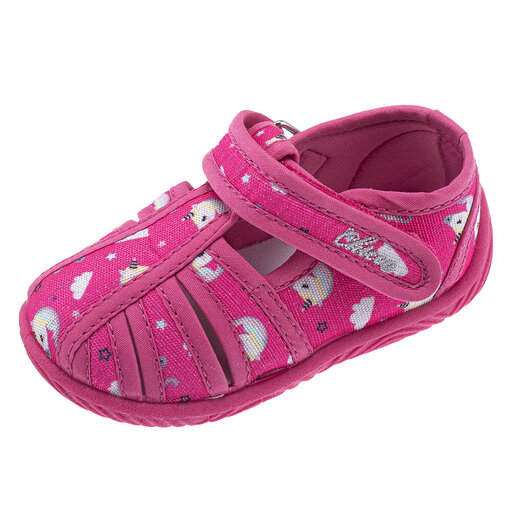
Why it suits this profile: This style is aimed at anyone looking for a simple cotton design in a bright colour for a baby or toddler. The product information lists size 210 and an age guide of 12M-18M.
The composition and size code are clearly stated. Check the size chart before ordering rather than relying on age alone.
100% cotton according to the product specification; fuchsia colour; care according to the washing label.
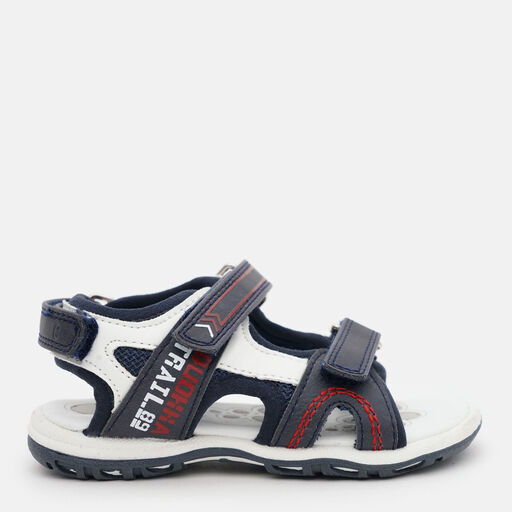
Why it suits this profile: The dark blue colour goes with a range of outfits. According to the product information, size 250 is linked to an age guide of up to 3 years.
The product page specifies the material rather than making only a general claim about comfort. Still, compare the fit with your child’s foot measurements.
Dark blue; polyurethane-coated support material according to the specification; described as suitable for everyday wear.
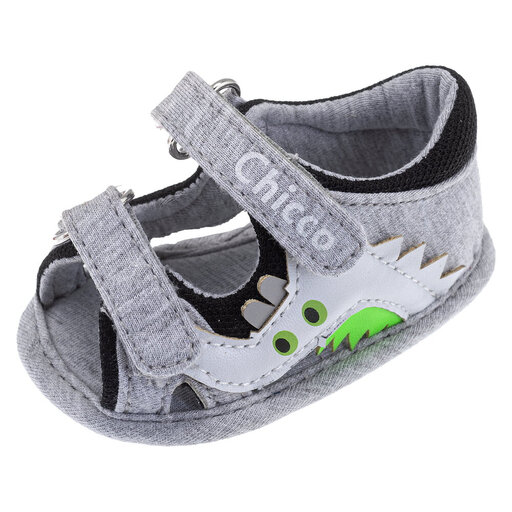
Why it suits this profile: The grey style is a subtle choice for everyday wear for a young child. The product information lists size 190 and an age guide of 06-09 months.
The material proportions are specified, making it easier to compare than choosing based on colour or a general claim.
Grey style; 70% polyester and 30% polyurethane-coated support material; care according to the washing label.
Why it suits this profile: The Conner style is a good match for parents who want to filter specifically by style name and colour. The composition is listed as 80% polyurethane-coated support material and 20% polyester.
The style name, colour, size and material composition are listed separately. Also check your child’s measurements.
Conner style; dark blue; size 250; material proportions clearly stated.
We’ve put together a complete, up-to-date list of products that meet these strict selection criteria and the applicable European safety regulations.
Measure your child’s foot in centimetres and compare it with the size chart for the style you’ve chosen. Codes from 190 to 270 and age labels can help, but they’re no substitute for measuring your child’s feet.
The available product information gives age guides ranging from around 06-09 months to 4 years. Whether a style is suitable also depends on the fit, foot shape and fastening. When the sandals arrive, check for pressure points and make sure they don’t slip around.
Always follow the washing and care instructions on the label. Don’t use harsh cleaning products unless the label recommends them. Let the sandals dry thoroughly, and check the seams and fastenings regularly. This helps reduce unnecessary wear during everyday use.
