
Vandaag of morgen in huis

Kwaliteit gegarandeerd

Welkomstaanbiedingen ontgrendelen: GRATIS bezorging | Tot 80% korting | Gratis 30 dagen JoyPlus-proefperiode
Download de app
Buying a pair of Chicco boys’ sandals might seem straightforward – until you have to choose between different colours, sizes and materials. With rapidly growing feet, mistakes are easily made. A sandal that feels like a good fit today could be too small in no time. What’s more, terms like “comfortable” or “breathable” don’t always tell you much about the actual construction.
In this guide from the Joybuy Product Recommendation Officer, you’ll discover what you can reliably look out for when choosing Chicco boys’ sandals, from baby sizes right through to children’s sandals.
Age recommendations are a handy starting point, but children don’t all grow at the same rate. Chicco’s product information, for example, links size 170 to around 3 to 6 months, and size 320 to around 8 years. That’s no substitute for measuring the foot.
Measure both feet while your child is standing, then check the size chart for the specific model. Also pay attention to the width and shape of the sandal. Buying a larger size “to grow into” can cause the foot to slide around when walking.
A striking colour can be appealing, but the material largely determines how you’ll use and care for the sandals. The range includes Chicco sandals in fuchsia, dark blue and grey versions. According to the product information, the fuchsia models in this selection are made from 100% cotton. The dark blue variants list 100% polyurethane-coated support material. The grey models consist of 70% polyester and 30% polyurethane-coated support material.
These details describe the composition, but they don’t in themselves prove that a sandal will feel equally comfortable for every child. So be sure to also check the washing and care instructions.
For a pair of sandals intended for a holiday, nursery or daily outdoor play, different features may matter. Think about easy maintenance, a material suited to the use, and a size that isn’t too tight. None of the product details in the available information guarantee a specific lifespan. Regularly check the condition of the sole, fastening and seams.
The available models in this selection range from size 17 to 32, shown as 170 through to 320. The product pages also give age recommendations such as:
Use this information as a guide. Measure the foot and check that the toes aren’t pressing against the front. With baby sandals and sandals for babies and toddlers, a good fit is especially important, as young children don’t always make it clear when something is pinching.
The product details mention different materials:
“Cotton sandals” may appeal to parents specifically looking for a natural fibre, but always consider the full construction. The product information states that you should follow the instructions on the washing and care label. So don’t wash or dry sandals in a way that isn’t stated on the label.
Chicco sandals in dark blue are easy to pair with everyday clothing. Chicco sandals in grey also have a neutral look. Fuchsia stands out more, which can be handy if you want to spot the sandals quickly among other shoes at nursery. Colour says nothing about fit, material strength or wearing comfort; so compare size and material composition first.
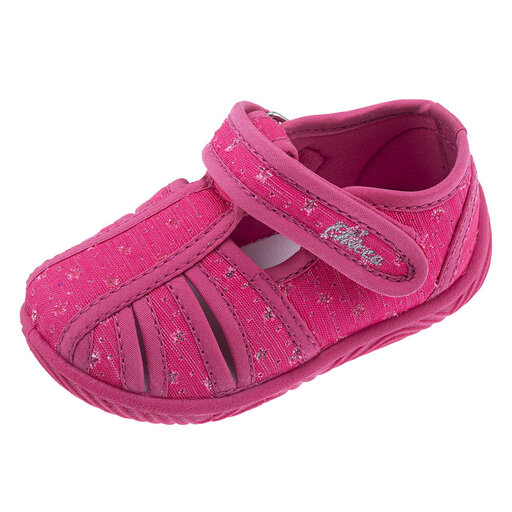
Why this fits the profile: According to the product information, this size is intended for approximately 6 to 9 months. The fuchsia colour makes the model easy to spot, and the composition is clearly stated.
The size and age recommendation are listed together, so you don’t have to rely solely on colour or a general age claim.
100% cotton according to the product information; size 190; care via the wash label.
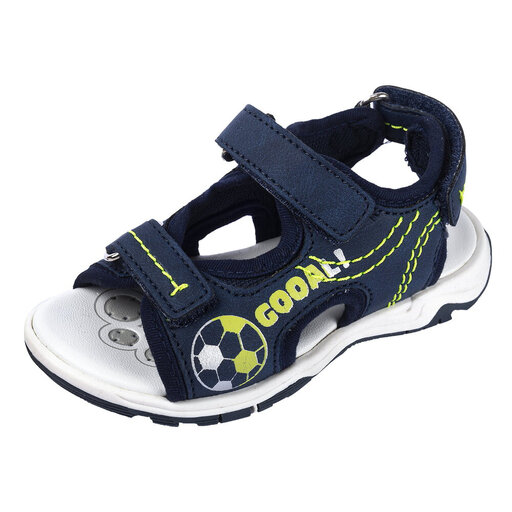
Why this fits the profile: For parents looking for a neutral colour and a clearly described material for a toddler around 24 months.
The choice is based on size, age recommendation, colour and material rather than on unsubstantiated comfort claims.
Dark blue colour; size 240; 100% polyurethane-coated support material according to the product description.
Why this fits the profile: According to the product information, this version is linked to size 320 and approximately 8 years. That makes it suitable for parents looking for a larger model for daily use.
The larger size isn’t presented as a universal solution: check the foot length and fit before ordering.
Size 320; dark blue version; 100% polyurethane-coated support material according to the product details.
We’ve put together a full, up-to-date list of products that fully meet these strict selection criteria and comply with current European safety regulations.
Measure both feet while your child is standing and use the longest foot as your reference. Compare the measurement with the size information on the product page. The age recommendation is only a guide; foot length and fit are more important.
According to the product information, the models described are designed for comfortable daily use. Check for yourself whether the material, fastening and care suit the conditions in which your child will wear the sandals – for example, at home, at nursery or outdoors.
Always follow the washing and care label. The right approach can vary depending on the material. Don’t use harsh cleaning products, and let the sandals dry according to the manufacturer’s instructions. Also check the fit and condition of the sandals regularly.
