
Vandaag of morgen in huis

Kwaliteit gegarandeerd

Welkomstaanbiedingen ontgrendelen: GRATIS bezorging | Tot 80% korting | Gratis 30 dagen JoyPlus-proefperiode
Download de app
A pair of Chicco boys’ sandals may seem easy to choose, until you have to decide between different sizes, colours and materials. Especially with babies and toddlers, a small difference in fit can quickly cause problems: a sandal that is too loose, difficult to fasten or hard to clean after just a few wears.
So don’t focus only on the colour or the age printed on the packaging. These three pitfalls are common when buying children’s sandals:
Relying blindly on the age guide
A guide such as 18–24 months is just an indication, not a substitute for measuring your child’s feet. Children do not all grow at the same rate.
Choosing a larger size “to grow into”
Extra room may seem practical, but a sandal that is too roomy can move around while walking. This is particularly inconvenient for young children who are only just learning to walk.
Overlooking the material and care instructions
Cotton sandals feel different from sandals with polyurethane-coated support. Care requirements also vary from product to product. Always check the material and follow the washing and care label.
The range includes sandals from size 19 to 32, shown as sizes 190 to 320. The product information links these sizes to the following age indications:
These age indications come from the product details. Before ordering, measure both feet while your child is standing and compare the longer foot with the seller’s size chart. Also check the width and how the fastening sits around the foot.
With baby and toddler sandals, easy on-and-off access is particularly useful. A fastening that stays securely in place helps prevent the sandal from coming loose during play. For older children, focus especially on the combination of fit, walking comfort and independent use.
According to the product information, the fuchsia models are made from 100% cotton. This includes sizes 190, 200, 210, 220, 240, 250, 260 and 270. Cotton sandals may suit parents looking for a textile-like material for everyday use.
According to the product specification, the dark blue models in the 01069122000000 series have 100% polyurethane-coated support. This material choice differs clearly from cotton and may appeal if you are looking for a different outer and inner finish.
For size 320, there is also a Chicco Conner sandal made from 80% polyurethane-coated support and 20% polyester. This is a separate model, so it should not be compared with the standard dark blue series without checking the details first.
Pay attention to the difference between a specific material specification and general terms such as “soft”, “strong” or “breathable”. Without additional test data, such terms say very little. That is why size, colour, model and material composition are the main comparison points in this selection.
For everyday use in the Netherlands, sandals are often worn to nursery, school, the playground or while out walking. Choose a model that suits the activity and check whether the material is compatible with your usual care routine.
The product information states for these models: follow the instructions on the washing and care label. Do not automatically wash or dry sandals in the same way as ordinary cotton clothing. After cleaning, check that the fastening and seams are still working properly before your child wears them again.
A dark colour such as dark blue can be a practical match for everyday clothing. Fuchsia, on the other hand, is highly visible and can complement a colourful outfit. Colour is not an indication of fit or durability; assess these qualities separately.
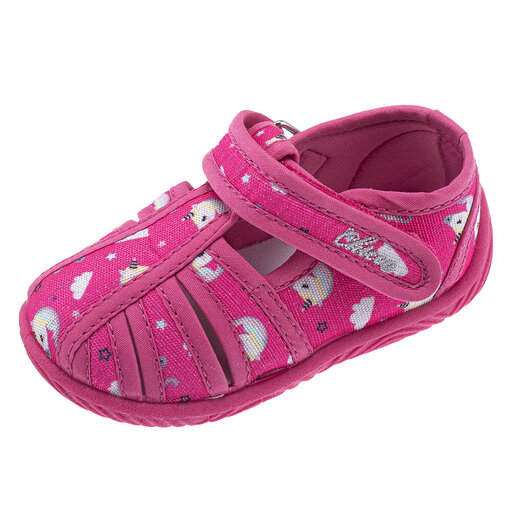
Why it suits this profile: These fuchsia sandals are intended for children with an age indication of 18–24 months and have a clear material specification of 100% cotton.
The specific size 220 and material information make it easier to compare than relying on colour or general marketing terms alone.
Fuchsia colour, size 220 and 100% cotton according to the product information; care according to the label.
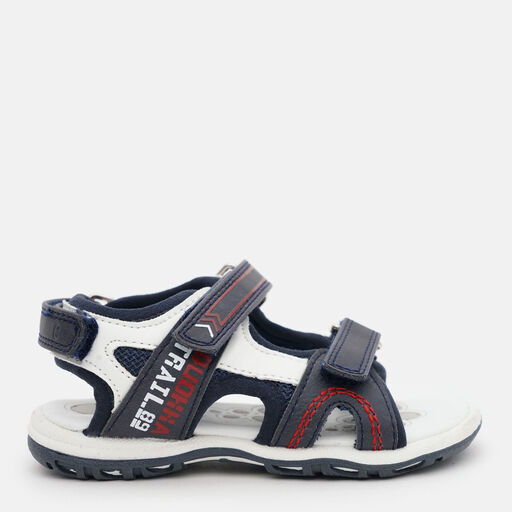
Why it suits this profile: This Chicco Conner model is suitable for anyone looking for a dark blue size 32 sandal for a child with an age indication of up to approximately 8 years.
The model and composition are clearly stated, so you will not confuse it with the standard Chicco dark blue range.
Conner model, size 320, dark blue colour and a composition of 80% polyurethane-coated support and 20% polyester.
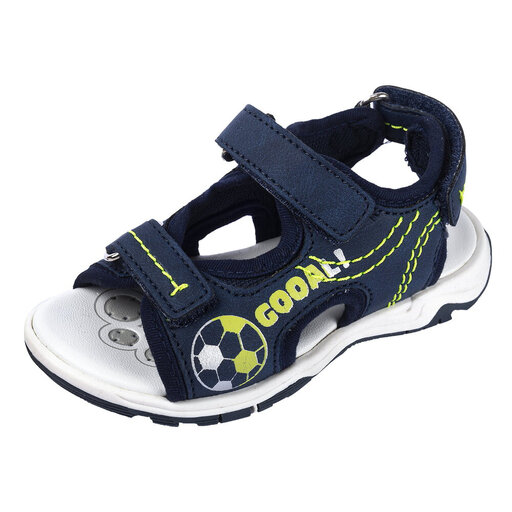
Why it suits this profile: According to the product listing, size 290 is associated with approximately 6 years. The dark blue colour suits sandals for school, outdoor play and everyday use.
The product page lists the size, colour and material group separately. This means you can check the fit first rather than judging by appearance alone.
Size 290, dark blue colour and 100% polyurethane-coated support according to the product specification.
Use this quick checklist before ordering Chicco boys’ sandals:
We have put together a complete, up-to-date list of products that fully meet these strict selection criteria and the applicable European safety regulations.
The age indication on the product page can help you get your bearings, but foot length is the deciding factor. Measure both feet while standing and compare the result with the size information. Your child may need a different size from the one suggested by the average age indication.
According to the product details, the fuchsia models in this selection are made from 100% cotton and are described as suitable for everyday use. Whether they are right for your situation depends on the fit, activity and care routine. Always follow the washing and care label.
According to the listing, the standard dark blue models have 100% polyurethane-coated support. The size 320 Chicco Conner sandal has a composition of 80% polyurethane-coated support and 20% polyester. Always check the model number and material composition before ordering.
