
Vandaag of morgen in huis

Kwaliteit gegarandeerd

Welkomstaanbiedingen ontgrendelen: GRATIS bezorging | Tot 80% korting | Gratis 30 dagen JoyPlus-proefperiode
Download de app
A pair of Chicco boys’ sandals may seem like a quick choice, but the differences between models often come down to size code, material and care requirements. Choosing the wrong pair can result in sandals that feel too loose, are difficult to clean or no longer fit after a short time. This is especially important for growing feet, where relying solely on age or colour is not a reliable approach.
In this guide from the Joybuy Product Recommendation Officer, you’ll discover what to look for when choosing Chicco sandals for boys, from baby sandals to models for children of around 8 years old.
Age indications such as 06M-09M, 24M or 4 YEARS are guidelines. Children do not all grow at the same rate. The product details also use size codes such as 190, 240 or 310. Always check the size chart and measure your child’s foot according to the seller’s instructions.
A sandal that is too large may shift while walking. A sandal that is too small leaves too little room for the toes. So don’t automatically buy a larger size “to make them last longer”.
Dark blue boys’ sandals, grey boys’ sandals and fuchsia boys’ sandals each suit different preferences. Dark blue and grey are less likely to show visible marks. Fuchsia stands out more and can be a practical choice if your child prefers a distinctive colour.
Colour says nothing about fit, fastening or material. Assess these details separately.
Cotton feels different from polyester or polyurethane-coated support material. A 100% cotton model may appeal to parents specifically looking for cotton sandals, but you must still follow the care label. For models with coated support material, it is equally important not to use the washing machine or tumble dryer without checking first.
The product information for all selected models states: follow the instructions on the washing and care label.
The Chicco sandals in this selection range from 190 to 320, corresponding to the stated age indications of approximately 6 months to 8 years. The size code shown is not the same as a UK age-based shoe size. Always check:
For baby sandals around size 190, measuring again regularly is advisable. For toddlers and young children, a model around size 230 to 270 may be suitable, while older children may be more likely to need size 290, 310 or 320. This still depends on the individual foot.
The product specifications list the following material compositions:
These percentages describe the stated material composition. They do not guarantee a particular lifespan or fit. Also pay attention to the difference between the upper, lining and support material when these are listed separately on the product page.
For comfortable sandals for everyday use, the right size, a secure fastening and easy care are more important than decorative details. After wearing them, check whether sand or dirt has got between the sole and the upper. Allow the sandals to dry according to the label and do not use harsh cleaning products unless this is permitted.
For intensive use, such as at nursery or during holidays, having a second pair can be practical. This means the same pair does not have to be worn again straight away when it is wet or dirty.
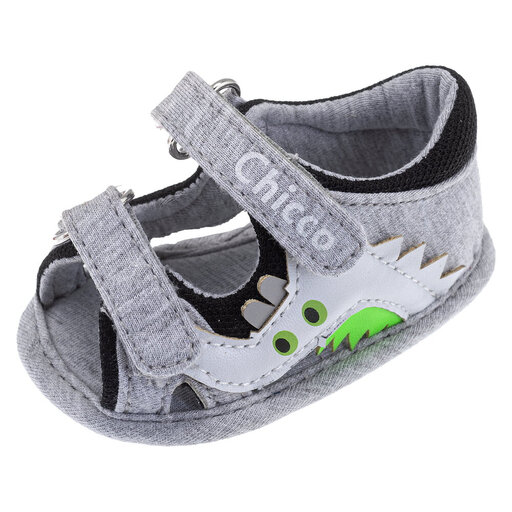
Why this suits the profile: This grey model is intended for boys of approximately 06M-09M and has a straightforward composition of 70% polyester and 30% polyurethane-coated support material.
The size code and age indication are clearly shown with the product, so you do not have to choose based on colour alone.
Grey design, size 190 and a material composition combining polyester with polyurethane-coated support material.
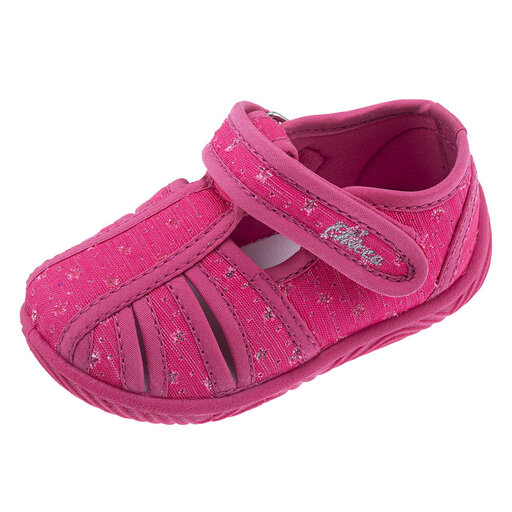
Why this suits the profile: According to the product details, this fuchsia model in size 240 is suitable for an age indication of up to 24 months and is made from 100% cotton.
The material composition is clearly stated, allowing you to compare cotton directly with coated support materials.
100% cotton, fuchsia colour and size 240 for a toddler age indication.
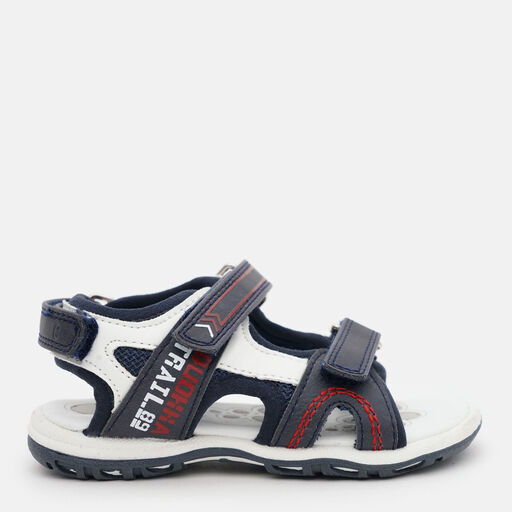
Why this suits the profile: According to the product details, the dark blue Chicco Conner sandals are intended for boys of around 8 years old and have a size of 320.
The larger size and material mix are listed separately, so you can match the model to an older child and everyday use.
Dark blue colour, size 320 and 80% polyurethane-coated support material with 20% polyester.
We’ve put together a complete, up-to-date list of products that fully meet these strict selection criteria and the applicable European safety regulations.
Measure both feet and use the longer measurement for the size chart. Then compare the foot length with the specific product page. Age labels such as 06M-09M, 24M and 8 YEARS can help you get your bearings, but they do not determine the correct size on their own.
That depends on the fit, material and how they are used. Check that the sandal fits securely, does not slip and leaves enough room for the toes. Always follow the care label when cleaning and drying the sandals. The product descriptions position these models as suitable for everyday use, but their actual suitability depends on the child and the situation in which they are worn.
Their lifespan varies depending on growth rate, how often they are worn, the surfaces they are used on and how well they are cared for. Check regularly that the size is still suitable and that the stitching, sole and fastening remain intact. A sandal may still appear technically usable but have become too small. Replacing sandals based on fit is therefore more important than simply considering how old the pair is.
