
Vandaag of morgen in huis

Kwaliteit gegarandeerd

Welkomstaanbiedingen ontgrendelen: GRATIS bezorging | Tot 80% korting | Gratis 30 dagen JoyPlus-proefperiode
Download de app
Parents often buy new boys’ clothes in a hurry because children grow, play and regularly make a mess. Yet an attractive photo can be misleading. A set might look convenient, but fasten awkwardly. A sandal can appear roomy, while the actual foot length doesn’t fit. And a material name like cotton tells you nothing about fit, thickness or care on its own.
With Chicco boys’ clothing and children’s shoes, you should focus on three things: the right size, the material and when it will be used. Below, you’ll find out how to check product information and which choices suit different families.
Age indications vary by brand and model. For example, a size 92 is linked to 24 months in the product information, but your child’s height and build are more important than that age label. So look at the size chart and check whether the stated size matches your child’s height.
The same applies to shoes and sandals. A size 230, 260 or 300 usually refers to a size range that shouldn’t be read as a direct age equivalent. Measure the foot and compare it with the information for the specific model.
100% cotton feels nice for many children and is a familiar choice for T-shirts, vests and baby boy clothes. However, the weave, fit and finish also determine how a garment wears. A blend of 95% cotton and 5% elastane can offer more stretch for movement and for getting dressed and undressed.
Always check the care label too. The listed materials are no guarantee of the same fit after many washes. Follow the product’s care instructions.
Dark blue or fuchsia boys’ sandals can go with lots of different outfits, but colour says nothing about the fit. Check:
For young children, easy on-and-off is practical. For daily outdoor play, a sturdy fastening is more important than just a striking design.
For boys’ clothing from 0 to 7 years, height and proportions are the most useful starting points. A baby clothing set in size 50 is intended for a smaller height than a set in size 68. The product details may also list age ranges, such as 1 month, 6 months or 9 months. Use these as a guide, not as a substitute for measuring.
For sandals, the foot size is key. Don’t automatically buy a bigger size “to grow into”: too much room can make a child less stable when walking or cause the sandal to shift.
The collection includes various material choices:
A higher cotton content can be appealing for everyday use, while elastane can offer extra stretch. That doesn’t mean one composition is right for every child or every situation. Consider the season, the activity and how often you’ll want to wash the garment.
A sports sun visor with UPF 50+ can be practical for outdoor activities, but the supplied Beneunder model is an adjustable sports sun visor for a head circumference of approximately 58–62 cm. That range is generally not intended for babies or young toddlers. So always check the head circumference before you order.
According to the product description, Beneunder uses a UPF 50+ solution for sun protection and a wide brim. This is a claim from the brand’s product information and not a general guarantee of protection in all conditions. A sun visor does not replace other measures, such as shade and suitable clothing.
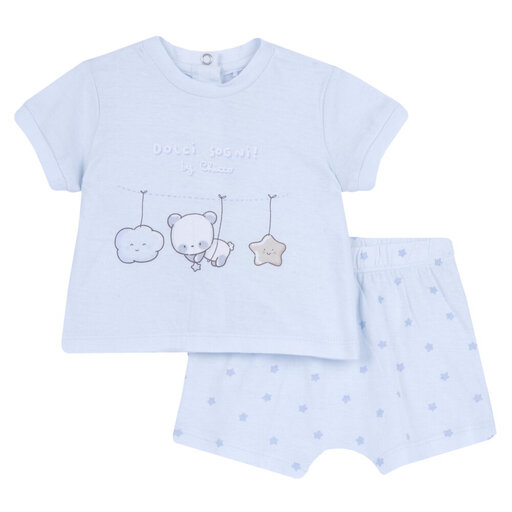
Why this fits the profile: This two-piece set consists of a T-shirt and shorts and, according to the product information, is made from 100% cotton. That makes it easy to mix and match for everyday wear.
You buy two matching garments instead of separate items. Just check whether size 050 matches your baby’s height.
Two-piece set, light blue colour and 100% cotton composition according to the product details.
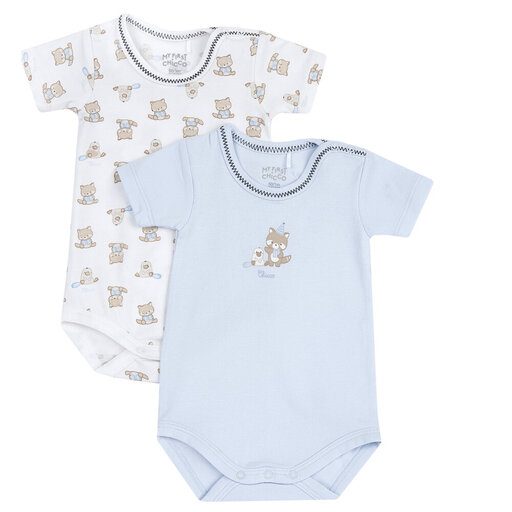
Why this fits the profile: Parents who need several basic layers can rotate between washing and wearing with a two-pack of short sleeves.
The composition is clearly stated as 95% cotton and 5% elastane. This lets you compare the expected material and stretch in advance.
Two-pack, short sleeves and a material blend with elastane according to the product description.
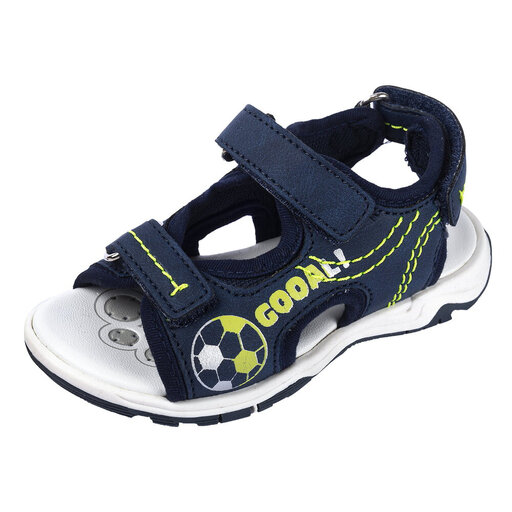
Why this fits the profile: This dark blue sandal is listed in the product details as size 300 with an age indication up to 7 years. That could suit older children, provided the foot size is correct.
The product page lists the size, colour and material. Compare these details with the measured foot and check the fastening on arrival.
Dark blue colour and polyurethane-coated support according to the product information.
We’ve put together a full, up-to-date list of products that fully meet these strict selection criteria and current European safety regulations.
Use height as your first reference point. A size 50 is linked to approximately 1 month in the product information, size 62 to approximately 6 months and size 68 to approximately 9 months. These indications can vary from child to child. Measure your baby and compare the result with the product’s size chart.
Measure both feet and use the larger measurement. Then check the size of the specific model. Also pay attention to the heel, toe room and fastening. A sandal chosen only by colour or age can still fit poorly.
Always follow the washing and care label. Sort colours, use the recommended temperature and avoid treatments not listed on the label. With a cotton and elastane blend, it’s especially important to follow the recommended care so the fit is preserved as well as possible.
