
Vandaag of morgen in huis

Kwaliteit gegarandeerd

Welkomstaanbiedingen ontgrendelen: GRATIS bezorging | Tot 80% korting | Gratis 30 dagen JoyPlus-proefperiode
Download de app
Parents of babies, toddlers and young boys want clothes that feel comfortable, are easy to wash and suit everyday wear. Chicco boys’ clothing ranges from cotton sets and vests to Chicco boys’ shorts and sandals. But an appealing photo or low price can sometimes hide a poor choice.
The most common pitfalls are:
Here’s what to look for when choosing clothes and shoes for baby boys and toddlers.
Chicco uses clothing sizes such as 50, 56, 62, 74, 92 and 98. Sandal sizes include 190, 230, 240, 250, 260, 280, 290 and 320. These size labels don’t refer to clothing and shoes in the same way.
When choosing clothes, check:
For example, size 62 is intended for a smaller baby than size 98. Product listings may also show an age guide, but use it only as a general indication. If you’re unsure, measure your child and compare the result with the size chart for the item.
For sandals, foot length is the key measurement. Measure both feet while your child is standing, then check the shoe size shown. Don’t mistake sizes 230, 250 or 320 for clothing sizes. Also check whether the fastening is adjustable and that your child’s foot won’t slide forwards.
Many parents choose cotton boys’ clothing for everyday wear, as cotton is used in a range of weaves and is easy to care for. However, the fabric composition affects how a garment feels and how it may respond to washing.
Examples from the Chicco range:
Elastane can add stretch, while viscose gives the fabric a different feel from pure cotton. So don’t assume that a higher cotton content is always better. Think about how the item will be used: a stretchy set can be handy for changing and moving around, while a simple cotton vest may suit warmer days.
The sandals in the selected products are made from polyester and polyurethane-coated material. This is not the same as leather or textile. If your child is sensitive to certain materials or you’re looking for a particular finish, check the product specifications and care instructions.
Boys’ clothes are often put through their paces. Mealtimes, outdoor play and crawling call for different things from an outfit for a special occasion. Before buying, check:
The country of origin varies by item. The product information provided lists Bangladesh, China, Turkey and India as places of dispatch or origin. This doesn’t in itself tell you how comfortable an item will be to wear, but it’s useful information when comparing products.
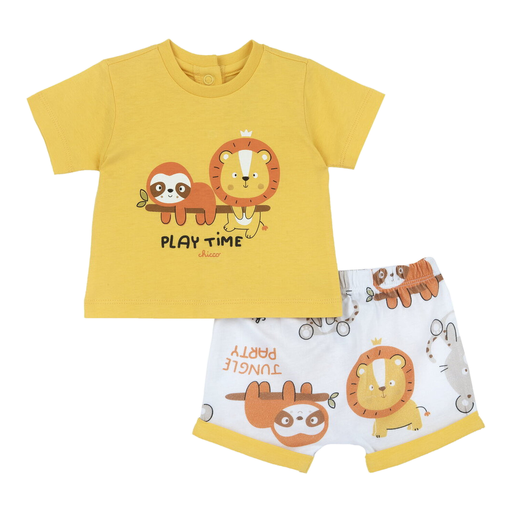
Why it suits this profile: This two-piece set includes a T-shirt and shorts in one purchase. Size 062 is linked to an age guide of 6 months.
The fabric composition is clearly stated: the T-shirt and shorts are made from 100% cotton. Be sure to check the care label.
Two-piece set, orange print and a 100% cotton fabric composition.
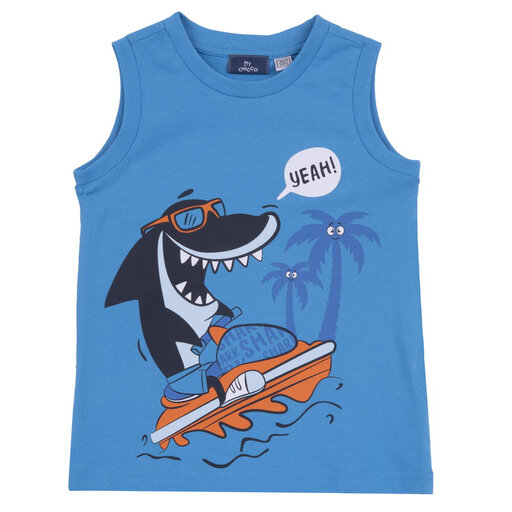
Why it suits this profile: A simple vest in size 098 is easy to pair with shorts and other summer clothes.
Instead of a vague claim about the fibres, the product information gives a clear composition of 100% cotton.
100% cotton, a medium light blue colour and an easy-to-style design.
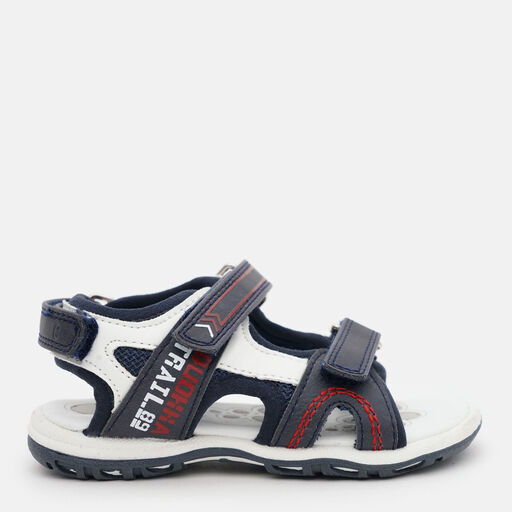
Why it suits this profile: These Chicco Conner sandals are designed for older boys with shoe size 320, which the product information links to an age guide of 8 years.
The choice is based on the actual shoe size, not just the navy colour or age guide.
Navy, size 320 and a material listing of 80% polyurethane-coated material and 20% polyester.
We’ve put together a complete, up-to-date list of products that meet these strict selection criteria and the applicable European safety regulations.
It depends on your baby’s height and the season. For young babies, T-shirt and shorts sets are available in sizes 50, 56 and 62. Always check the size as well as the age guide, and look at the fabric composition. A set made from 95% cotton and 5% elastane may fit differently from one made from 100% cotton.
Measure both feet while your child is standing and compare the longer foot with the product information. Use sizes such as 190, 230 or 320 as shoe sizes, not clothing sizes. Also consider the width, fastening and room to move. An age guide is just a guide.
How long they last depends on growth, how often they’re worn, care and the conditions they’re used in. Check clothes regularly for signs of wear, and keep an eye on the soles, fastenings and fit of sandals. Wash clothes according to the label, and don’t buy shoes too large in the hope that your child will grow into them; a poor fit can make them less comfortable.
