
Vandaag of morgen in huis

Kwaliteit gegarandeerd

Welkomstaanbiedingen ontgrendelen: GRATIS bezorging | Tot 80% korting | Gratis 30 dagen JoyPlus-proefperiode
Download de app
A lovely colour or a familiar brand name doesn’t tell you whether a garment or sandal will fit your child well. When choosing Chicco baby clothes and children’s sandals, parents tend to focus on size, material, fastenings and everyday use. Even so, disappointing purchases often come down to three common pitfalls.
Age labels such as 03M, 06M or 6 YEARS are useful as a starting point, but children don’t all grow at the same rate. For example, a baby who wears size 62 may have a different build from another baby of the same age. Always check the stated clothing size and compare it with your child’s current height.
This is even more important with sandals. Check a size such as 170, 230 or 290 against your child’s foot length and the available size chart. Don’t rely solely on “Chicco sandals in sizes 17 to 29” or the age guidance.
Cotton is often associated with a pleasant feel, but the percentage and blend vary from one product to another. One set may be made from 95% cotton and 5% elastane, while another contains 60% cotton and 40% polyester. This affects stretch, care and when the item is best worn.
Sandals may be listed as containing polyester, polyurethane-coated material or cotton. A material description alone doesn’t tell you how a child will find the sandal. So check the fit, adjustability and inside of the style too.
A Chicco baby set or Chicco T-shirt and shorts set may seem practical, but check that it really includes two garments and see which materials are used for each item. Some product listings specify the T-shirt and shorts separately, for example. This matters when washing and putting outfits together.
The examples of available baby clothing sizes range from Chicco clothes in size 56 and Chicco clothes in size 62 to larger sizes such as 68 and 116. The product information links size 56 to an age guide of up to around 3 months, while size 62 is listed for around 6 months, among other guidance. Treat these as a guide, not a guarantee of fit.
When choosing clothes, look for:
For baby clothes for boys, baby clothes for girls and unisex baby clothes, size and material are the main considerations. Colour and the stated target group are secondary.
The product information shows clear differences:
Use these percentages to compare products fairly. Don’t assume that one blend will suit every child or activity.
The sizes listed for the selected styles range from 170 to 290. This covers searches for Chicco boys’ sandals, Chicco baby sandals and Chicco children’s sandals for different ages. Before buying, check:
The sandal product information advises you to follow the washing and care label. So don’t soak or clean a sandal with a harsh product without checking the instructions first.
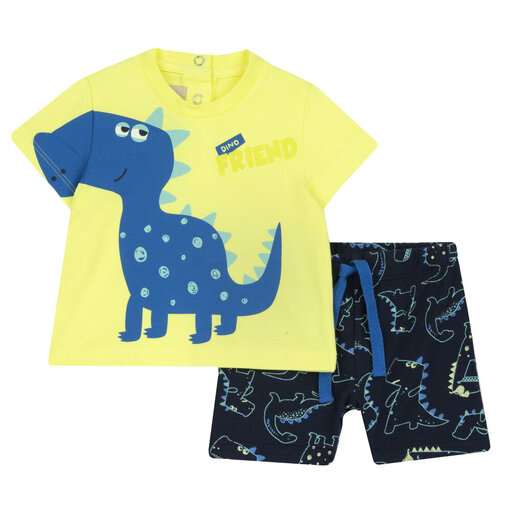
Why it suits this profile: This unisex two-piece set in size 56 is a straightforward choice for parents looking for baby clothes without a strongly gendered colour.
The size, target group and material composition are clearly stated: 60% cotton and 40% polyester.
Size 056, unisex design and a two-piece set.
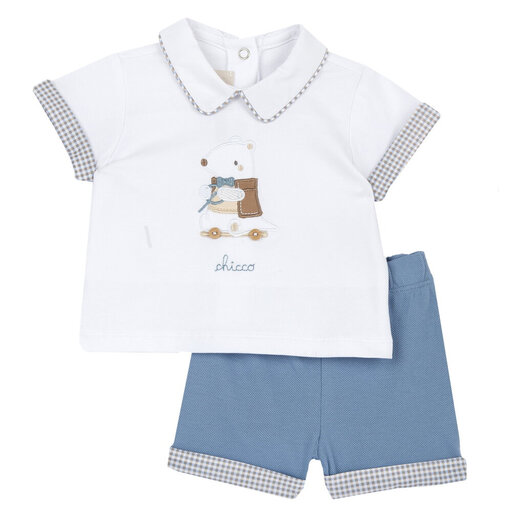
Why it suits this profile: This boys’ set in size 62 is aimed at buyers who value precise material details and a stretchy fabric blend.
The product listing specifies 95% cotton and 5% elastane, so you don’t have to judge it by colour alone.
Two-piece set, size 062 and 95% cotton with 5% elastane.
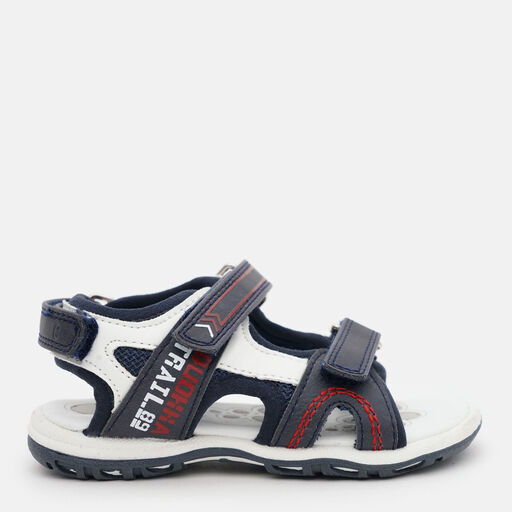
Why it suits this profile: This dark blue Conner sandal in size 290 is designed for older children with larger feet, up to the stated age of 6 years.
The size and material composition are clearly stated: 80% polyurethane-coated material and 20% polyester.
Size 290, dark blue colour and Conner style.
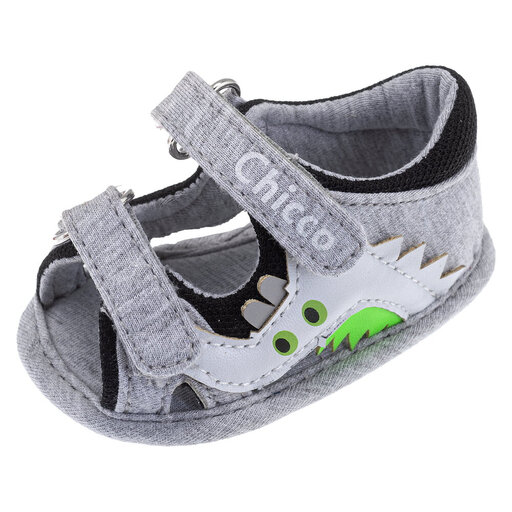
Why it suits this profile: This grey style in size 170 is an option for parents looking for Chicco baby sandals for a young baby.
The product listing gives size 170, an age guide of 03M-06M and a composition of 70% polyester and 30% polyurethane-coated material.
Grey colour, size 170 and clear material details.
We’ve put together a complete, up-to-date list of products that meet these strict selection criteria and the applicable European safety regulations.
The product information links size 56 to an age guide of up to around 3 months. However, the right choice depends on your baby’s height and build. Compare the size with the size chart and check that there’s enough room to move.
Measure both feet and use the longer measurement. Compare it with the size information for the style. The selected styles range from size 170 to 290. Age labels such as 24M or 6 YEARS are only additional guidance and don’t replace measuring your child’s feet.
Always follow the washing and care label. The precise material composition may determine how clothing should be washed. For sandals, don’t use a cleaning method that isn’t mentioned on the label or in the product information. This helps limit unnecessary wear and takes the material into account.
