
Vandaag of morgen in huis

Kwaliteit gegarandeerd

Welkomstaanbiedingen ontgrendelen: GRATIS bezorging | Tot 80% korting | Gratis 30 dagen JoyPlus-proefperiode
Download de app
A fun print or low price does not always tell you enough about baby and children’s clothing. When it comes to Chicco baby and children’s clothing, a good purchase is mainly about choosing the right size, a suitable material and clothing that fits everyday use. A baby bodysuit, for example, should be easy to put on, while children’s pyjamas should feel comfortable during sleep.
As a Joybuy Product Recommendation Officer, I filter the most important product information so you are less likely to spend money on clothing that turns out to be too small, impractical or difficult to coordinate after just a few washes.
Age indications are a useful guideline, but children do not all grow at the same rate. For example, size 068 may be linked to 68 to 9 months in the product information, while height and fit can vary from child to child.
So always check:
For Chicco clothing in sizes 56 to 152, it is sensible to compare the size on the label with clothing that currently fits your child well. For fast-growing children, you may want to buy one size ahead, but avoid choosing a much too roomy size for bodysuits or sandals.
Many models are made from a cotton blend. This can be practical, but it is important to check the percentages. For example, several Chicco models consist of 95% cotton and 5% elastane. The elastane can add stretch, but this means the garment is not made entirely from cotton.
A Chicco baby bodysuit made from 95% cotton and 5% elastane may be suitable for everyday use if you value a flexible fit. However, the composition is not the only factor that affects comfort. The fabric weight, seams and fastening also influence how practical the garment is.
When buying children’s sandals, an age indication is not enough. Feet grow at different rates and sandals should not feel tight. Measure your child’s foot and compare the result with the size chart for the specific model.
Also look for:
The product information for the Chicco sandals mentions, among other things, polyester with a polyurethane-coated support or 100% polyurethane-coated support. Use these details to compare models, but do not regard them as a guarantee of a particular fit.
For babies, sizes such as 056, 062, 068 and 074 are relevant. For older children, the examples go up to size 152. Bear in mind that a set may use the same size for both pieces, while separate garments may fit differently.
A practical guide:
This remains a guideline. The product page and clothing label should always take priority.
The Chicco clothing available includes a range of compositions:
If you are specifically looking for cotton children’s clothing, it is worth checking the exact composition of each item. “Cotton” in the product title does not automatically mean 100% cotton.
First decide what you need the garment for. A T-shirt and shorts set is handy as a complete summer outfit, while separate shorts offer more styling options. Children’s pyjamas with short sleeves are suitable for warmer nights, but less so if you are looking for a longer style.
For babies, bodysuits and two-piece sets are practical because they are easy to combine. For girls, there are also Chicco girls’ clothing models such as a dungaree-style skirt, a T-shirt and a 2-pack of tank tops. The collection also includes Chicco boys’ clothing, including shorts, T-shirts, sets and sandals.
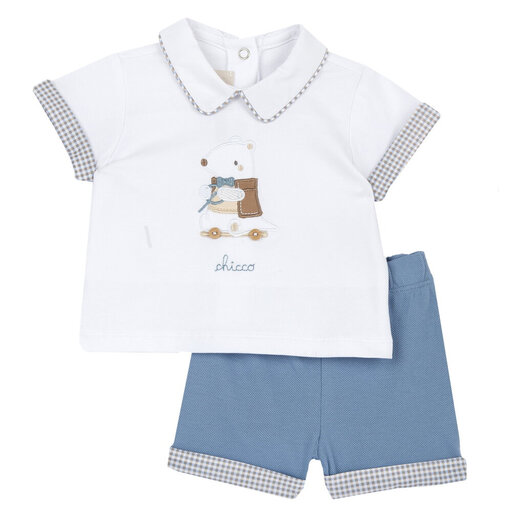
Why it suits this profile: This two-piece set offers an easy starting point for a baby from size 56. The T-shirt and shorts are designed to go together and are suitable for everyday wear.
Size 056 and the age indication of 56 to 3 months are clearly stated. However, check these details against your baby’s body length.
Two-piece set, medium light blue colour and a composition of 95% cotton and 5% elastane.
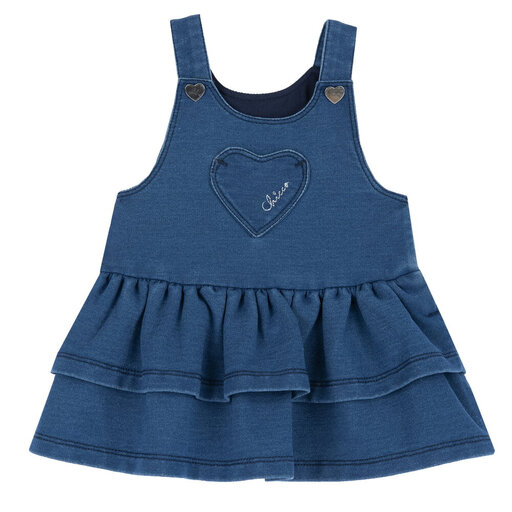
Why it suits this profile: The dungaree-style skirt is a considered choice for anyone looking for a garment with a different look from a standard T-shirt or pair of trousers.
The product information states size 092, medium blue and the exact fibre ratio. This lets you compare based on facts rather than just colour or model name.
80% cotton, 16% polyester and 4% elastane; available in sizes 062, 068, 074 and 092 within the selection provided.
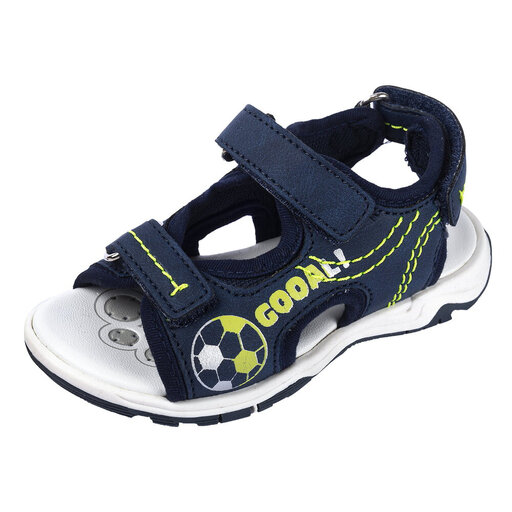
Why it suits this profile: This model is aimed at children around 3 years old and is a practical option when comparing Chicco children’s sandals by foot size.
Size 260 and the age indication of 3 years are visible in the product details. Measure your child’s foot before ordering and follow the care instructions.
Dark blue design and 100% polyurethane-coated support according to the product specification.
We have put together a complete, up-to-date list of products that fully meet these strict selection criteria and the applicable European safety regulations.
Always follow the washing and care label. The product information provided states that the label instructions should be followed for the garments. Wherever possible, wash clothing at the recommended temperature and check the fastenings before putting a bodysuit or set in the wash.
How long a garment lasts depends on how often it is worn, how quickly your child grows and how it is washed. With baby clothing, wear and tear is not always the first concern: a garment often becomes too small sooner. With sandals, fit and foot growth play a greater role than the condition of the material alone.
In the collection provided, sizes range from 056 to 152. This covers baby clothing from approximately 0 to 3 months and children’s clothing up to around 11 or 12 years old. Check the specific age indication and size details for each product.
Not always. Many models consist of 95% cotton and 5% elastane, but some garments also contain viscose, polyester or other materials. Always check the material composition on the product page.
Measure both feet while your child is standing and use the longer foot as your starting point. Compare the measurement with the size information for the model. An age indication, such as 12 to 18 months or 3 years, is only a guideline and does not replace measuring the foot.
