
Vandaag of morgen in huis

Kwaliteit gegarandeerd

Welkomstaanbiedingen ontgrendelen: GRATIS bezorging | Tot 80% korting | Gratis 30 dagen JoyPlus-proefperiode
Download de app
A chicken chew treat may seem like a straightforward purchase. However, not all chew sticks for large dogs are suitable for every dog. A powerful chewer may eat a thin stick quickly, while a dog with a sensitive stomach may react differently to treats containing grains, fats or several animal protein sources.
As a Joybuy Product Recommendation Officer, I therefore start with verifiable information: the size, ingredients, texture, number of pieces and feeding instructions. Marketing terms are only useful when they match what is actually stated on the label.
A packet may show a large dog without stating a specific minimum weight or size. This makes comparisons difficult. A stick intended for dogs up to 15 kg is not automatically suitable for a 30 kg dog. Always check for descriptions such as large, maxi, a weight range or the dimensions of each piece.
The words “chicken flavour” or “chicken aroma” mean something different from an ingredients list that names chicken as an ingredient. Some dental chews list chicken only as a flavouring. According to Pedigree’s product information, for example, the small DentaStix variety contains chicken flavouring; this is not the same as having a high chicken content.
With chicken chew sticks for dogs and other chicken dog treats, the ingredients list is therefore more important than the image on the packaging.
Brands may support claims about their products with their own research or specific product information. According to Pedigree’s own research, DentaStix can reduce the formation of tartar by up to 80% when used daily. This is a brand claim relating to a specific product line, not a general guarantee for every dental dog chew.
Think of a dental treat as an additional reward. Continue checking your dog’s teeth and gums, and ask a vet for advice if you notice any problems.
Choose a size that suits your dog’s body weight and the way they chew. A large dog that swallows treats whole will not automatically benefit from an extra-hard dog chew. Pay attention to the combination of:
A large dog with calm chewing behaviour may enjoy a soft treat. A dog that likes to chew for longer is more likely to benefit from a product with a firm outer layer or wrapped texture. Exact suitability still depends on the individual dog.
Do not compare only the word “chicken”; also look at:
MeatyWay Chicken Jerky lists chicken as an ingredient and states an analytical protein content of at least 30% and a fat content of at least 15%. This makes it different from a low-fat treat, even though it is described as high protein and low fat. The product information for the chicken and duck variety does not state exact percentages. Therefore, check the current packaging whenever a precise nutritional comparison is important.
A large bag may seem good value, but only if your dog eats the treats within the recommended period. Check the net weight, number of sticks and shelf life after opening. Pedigree DentaStix product information, for example, states that the packet should be resealed properly after opening and used within a limited period.
Treats are supplementary food. Keep an eye on the daily amount; the product information for several of the treats mentioned states that treats should make up no more than approximately 10% of your dog’s daily calorie intake. Always provide fresh drinking water and adjust the main meal when this is required according to the feeding instructions.
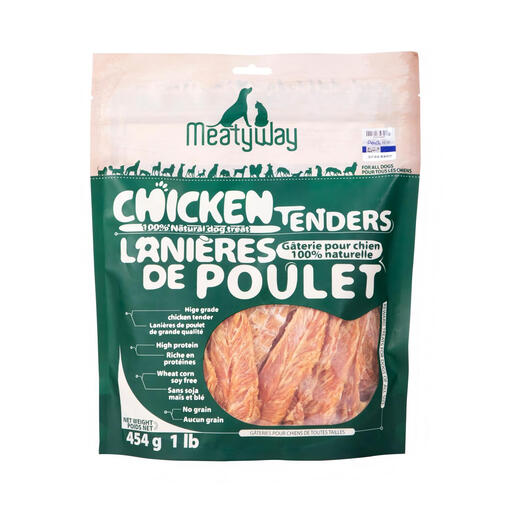
Why it suits this profile: The 454-gram bag is practical for anyone wanting to try chicken chew sticks or divide treats into smaller pieces for training and rewards.
The product information lists chicken as an ingredient, describes a soft jerky texture and advises supervision. This makes it easier to assess than a treat containing chicken flavouring only.
At least 30% crude protein according to the product information; easy to break into smaller pieces.
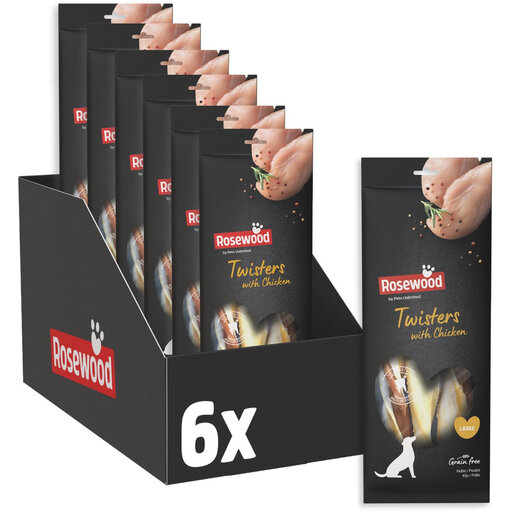
Why it suits this profile: This pack is specifically described as being for large dogs and contains several portions, making it convenient for regular chewing enjoyment.
The name states “large dogs” and a pack size of 6 x 3 pieces. However, check the individual dimensions and feeding instructions on the label before buying.
Wrapped twister shape; multipack containing 18 pieces according to the product name.
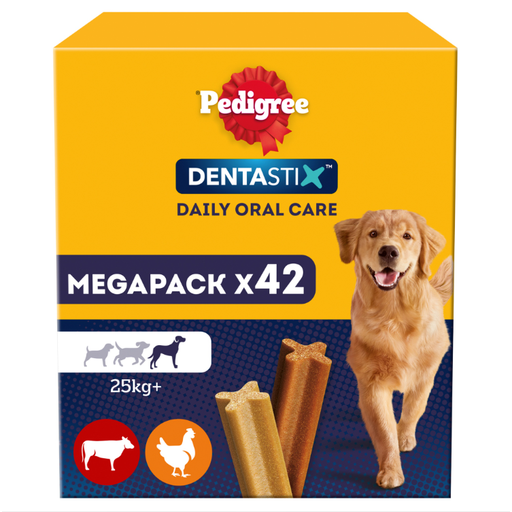
Why it suits this profile: The pack is intended for large dogs weighing 25 kg and over, and provides 42 sticks for daily use.
The weight range and number of pieces are clearly stated in the product information. The dental care claims come from Pedigree and should not be interpreted as a general guarantee.
Maxi size for dogs from 25 kg; 42 sticks and no added sugar according to the product information.
We have put together a complete, up-to-date list of products that fully meet these strict selection criteria and the applicable European safety regulations.
That depends on the texture, thickness and your dog’s chewing behaviour. Soft jerky can be eaten quickly and is mainly suitable as a reward. A wrapped or firmer treat may last longer. Give the treat under supervision the first time and remove any small or sharp pieces.
Always follow the feeding guidelines on the packaging. Chew treats are supplementary food and must not replace the main meal. Take your dog’s total calorie intake into account and reduce their usual food if necessary. If your dog has an allergy or dietary restriction, check all the ingredients first, including flavourings and animal by-products.
No. Consider the stated weight, shape and chewing style. A large dog that swallows quickly may need a different texture from a dog that chews calmly. At most, dental treats support a daily care routine; according to the brand’s information, the Pedigree claims mentioned must not be generalised to all dogs or all chew treats.
