
Snackers looking to cut down on total fat
If the fat content of the snack itself is your main concern, compare chestnuts and nuts using the nutrition information for the exact product. The preparation method alone won’t answer that question.


If you want less total fat per amount of snack, compare the nutrition information for the exact product on the same weight basis. If you want to keep eating regular nuts, weigh your portion. Unsalted or made without added oil does not automatically mean low in fat. The European Commission sets a maximum of 3 g of fat per 100 g for a ‘low-fat’ claim on solid foods; the NVWA confirms that EU rules apply in the Netherlands.
If the fat content of the snack itself is your main concern, compare chestnuts and nuts using the nutrition information for the exact product. The preparation method alone won’t answer that question.
If you want to keep eating regular nuts but be more mindful of how much you have, weigh your portion. The portion changes how much you eat, not the fat content per 100 g.
If you’re choosing between unroasted and roasted nuts, check the preparation method, ingredients and salt content separately. No added oil does not automatically mean unsalted.
First compare the fat content on the same basis, then decide whether you’d prefer a different type of product or to weigh out a portion of regular nuts.
| What to consider | What should you check? | Who is this important for? |
|---|---|---|
| Total fat | Compare the nutrition information for the exact product per 100 g. For solid foods, the European Commission sets a maximum of 3 g of fat per 100 g for a ‘low-fat’ claim; the NVWA confirms that these EU rules apply in the Netherlands. | If I mainly want to reduce my total fat intake, I compare the nutrition information per 100 g for the product I’m buying. Around 36% of consumers put total fat content at the top of their list. |
| Portion | Weigh the amount you want to eat and check the nutrition information for that portion as well as the values per 100 g. | I want to keep eating regular nuts but decide for myself how much I have. Around 29% of consumers make portion control their top priority. |
| Preparation and added ingredients | Check the preparation method, ingredients list and salt content separately; ‘unroasted’, ‘roasted’ and ‘unsalted’ don’t mean the same thing. | If I’m mainly choosing based on preparation and added ingredients, I check these separately from the total fat content. Around 21% of consumers put this first. |
| Packaging and storage | Check the pack weight and follow the storage instructions for the option you choose. | I want to buy an amount that suits how I’ll use it and store any leftovers conveniently. Around 14% of consumers start with packaging and everyday use. |
Nuts also contain fat naturally. Duyvis describes Cashews Original as oven-roasted without added oil, but its nutrition table also lists 49 g of fat and 1.5 g of salt.
Check the total fat and ingredients as well as the preparation method.
Eating less changes the amount you consume, not the nutrition information per 100 g.
Use portion control to decide how much you eat, and the nutrition table to compare products.
Voedingscentrum figures are reference values for product categories and don’t automatically match a specific supermarket product.
Use category figures as a general guide and check the current label on the pack you choose.
Cashews Original is worth considering if you’re looking for oven-roasted cashews with no added oil.
The own-brand options reviewed are unsalted cashews and chestnuts.
Jumbo Unsalted Cashews 200 g is an option to consider if unsalted is important to you.
Alesto is Lidl’s nuts and dried fruit range; the product range mentioned includes Way To Go cashews.
The product information reviewed describes an unsalted nut mix containing almonds, hazelnuts, walnuts and Brazil nuts.
PLUS Unsalted Unroasted Cashews 200 g is worth considering if you’re looking for both of these preparation and flavour characteristics.
This selection focuses on chestnuts as an alternative product and a portion-packed nut mix. Check the nutrition information and ingredients for the exact pack before choosing.
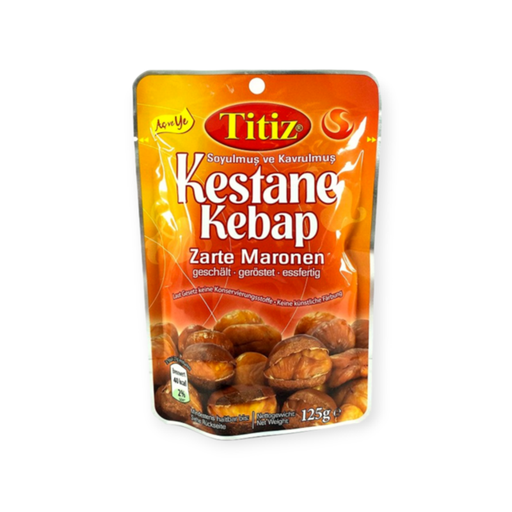 No image available
Could suit you if you’d like to try chestnuts as an alternative to regular nuts; the product information says they’re peeled and ready to eat.
The description lists 100% chestnuts and a 125 g pack. Check the current nutrition information on the pack.
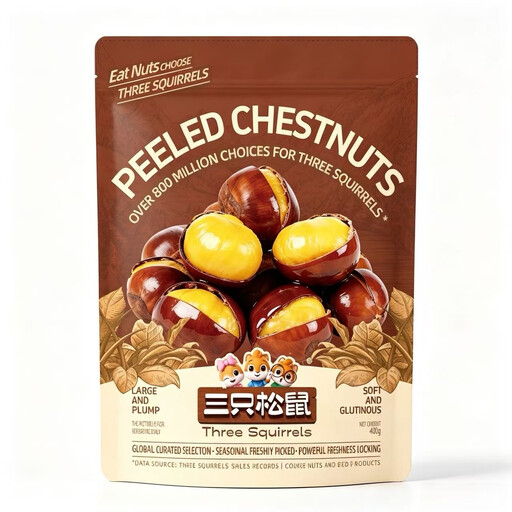 No image available
Could suit you if you’re looking for chestnut kernels in individual packs; the product information describes them as ready to eat.
The product information lists 1.3 g of fat per 100 g, chestnut kernels and individually wrapped portions. Check the details on the pack you receive.
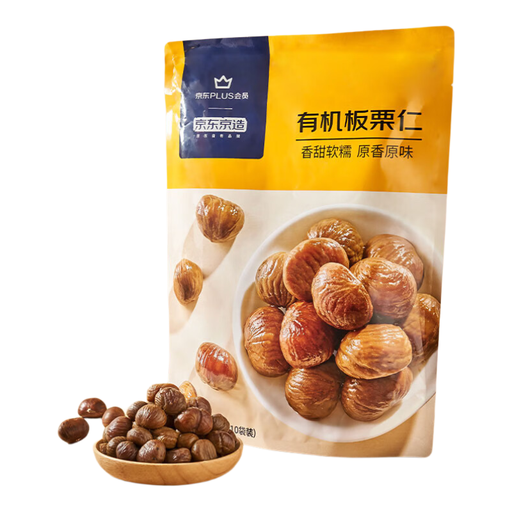 No image available
Could suit you if you’d like to divide chestnuts into smaller packs; the product information describes whole, peeled chestnuts that are ready to eat.
The product information lists 1.7 g of fat per 100 g and 10 sachets of 100 g. Check the nutrition information on the pack.
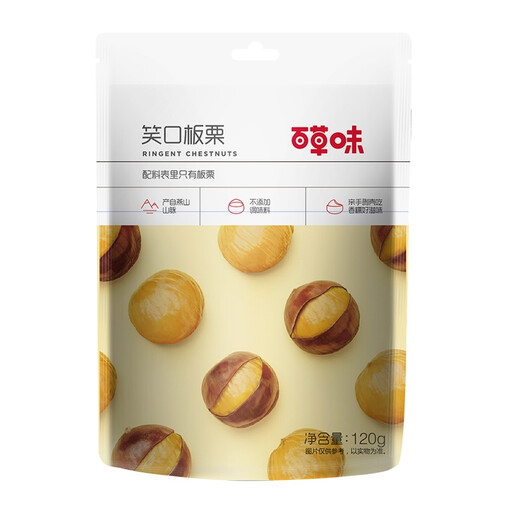 No image available
Could suit you if you’re looking for a ready-to-eat chestnut snack in individual packs; the product information describes the chestnuts as steamed and pre-cut.
The product information lists 1.2 g of fat per 100 g and chestnuts and sugar as ingredients. Check the ingredients and nutrition information on the pack.
 No image available
Could suit you if you want to take regular nuts with you in measured portions; the product information lists five 23 g portion packs.
The nutrition information lists 38.0 g of fat per 100 g. The product information names walnuts, cashews, almonds and hazelnuts as ingredients; the desiccant is not for consumption.
No. ‘Unsalted’ describes the salt content, not the fat content. Voedingscentrum lists 14.9 g of fat per 25 g of unsalted nuts as a reference; compare the nutrition table and your portion separately.
In the EU, solid foods must contain no more than 3 g of fat per 100 g to carry a ‘low-fat’ claim. The European Commission sets out this condition, and the NVWA confirms that EU rules apply in the Netherlands. A smaller portion does not change the composition per 100 g.
Check the allergen information on the packaging of the exact product. The NVWA states that allergens must be listed on the label of prepacked products and clearly identifiable in the ingredients list. A lower fat content tells you nothing about whether a product is suitable for someone with an allergy.
Albert Heijn advises storing these cashews in a cool, dark, dry place and sealing the pack tightly after use. For other options, follow the storage instructions on the pack.
The NVWA says not to eat the 170 g pack of Trader Joe’s Unsalted Cashews with barcode 2003020120930, as it may contain metal particles. The stated best-before date, 23 September 2026, has passed; the warning applies to this specific product description and should not be extended to other products or batches.