
Soup maker preparing large batches
If you make several portions after a trip to the market, you can match the capacity and stated freezing capacity to the amount of soup and number of containers you usually have.


Choose a chest freezer based on how many soup containers you usually freeze at once, as well as the floor space and clearance needed to open the lid. Then compare its freezing capacity in kg per 24 hours and annual energy consumption in kWh. An upright freezer with drawers can make it easier to find individual containers quickly, while a chest freezer has room for larger or unusually shaped items; the Consumers' Association explains the difference in accessibility. For soup, your freezer needs to be set to at least −18 °C. If you plan to keep it in an unheated space, also check the minimum ambient temperature allowed for that specific model.
If you make several portions after a trip to the market, you can match the capacity and stated freezing capacity to the amount of soup and number of containers you usually have.
If you need extra freezer space, measure the external dimensions and the clearance needed to open the lid, and consider how easy it will be to reach your soup containers.
If you are considering a garage or shed, check the minimum ambient temperature stated for that exact model.
Compare the model specifications with your usual portion sizes, where the appliance will go and how much you want to freeze in one go.
| What to consider | What to look for | Who should give this more thought? |
|---|---|---|
| Portions per batch | Count the containers you usually fill and compare the amount you want to add at once with the stated freezing capacity in kg per 24 hours. | If I freeze several portions at once after a trip to the market, I want to know whether there is room for both the containers and the amount I need to freeze in a day. Around 33% of consumers say this is their main priority. |
| Space and accessibility | Measure the floor space and the clearance above the lid. Also consider how you will organise and find smaller containers. | If floor space or clearance above the lid is limited, I want to avoid the freezer not fitting properly or portions getting buried under other food. Around 27% of consumers put space and accessibility first. |
| Energy consumption | For the capacity you need, compare the energy label and stated annual consumption in kWh; the Sustainable Living Knowledge Centre highlights the importance of annual energy use. | If I am considering an extra appliance, I want to know how much electricity it uses each year according to its energy label. Around 20% of consumers give this consideration the highest priority. |
| Cool location | Compare the temperature of the intended location with the minimum ambient temperature specified by the manufacturer for the exact model. | If the freezer is going in an unheated garage or shed, I want to make sure the stated installation conditions are suitable. Around 20% of consumers make this their main priority. |
Capacity and freezing capacity describe different things. Inventum lists 198 litres and 9 kg per 24 hours for the VK952W, and 293 litres and 14 kg per 24 hours for the VK1122W. These are manufacturer specifications, not the results of an independent performance test.
Compare the dimensions of your containers and the space available with both the freezer’s capacity and the amount you want to freeze in a day.
The permitted ambient temperature depends on the model. A general assumption about chest freezers will not tell you whether a particular model can be kept in your chosen location.
Check the temperature of the location and the explicit minimum stated in the documentation for the exact model on offer.
Low Frost does not automatically mean there is no maintenance to do. Inventum states that the VK952W chest freezer needs to be defrosted periodically.
Compare the defrosting system and maintenance instructions for the model, and store your soup containers so you can find them easily.
Allow time for defrosting and reorganising your food afterwards.
The VK952W and VK1122W are examples of different capacities to compare with your portion sizes and available space.
The Beko HSM22340 is a 230-litre chest freezer to compare if you are looking for a different capacity and design.
The Liebherr CFd 2505 Plus is a 359-litre chest freezer to consider if you also want to store other food.
This selection includes upright freezers and a chest freezer for anyone looking for extra freezer space. Check whether the temperature and freezing capacity of each model suit your soup portions.
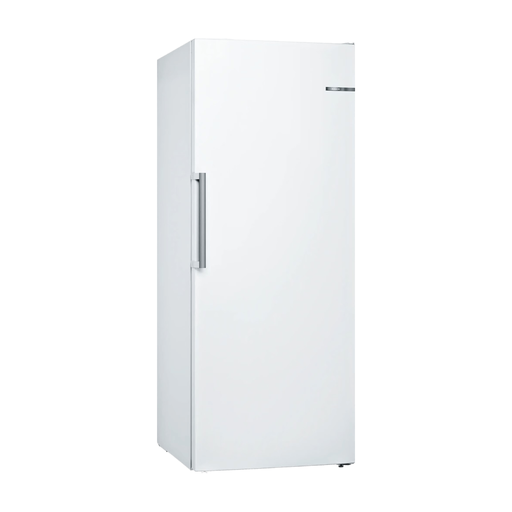 No image available
A freestanding upright model to compare if you need extra freezer space. Check whether the version on offer can be set to −18 °C and whether its freezing capacity suits your portions.
The product name lists model GSN54AWCV and a capacity of 328 litres.
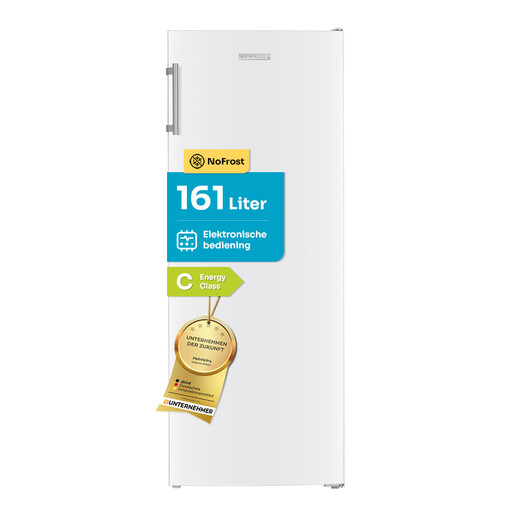 No image available
The stated capacity is a useful starting point for comparing the freezer with the size of your soup containers and the space available.
The product name lists a capacity of 161 litres, No Frost and a temperature range of −14 °C to −22 °C. Check whether the version on offer can be set to −18 °C.
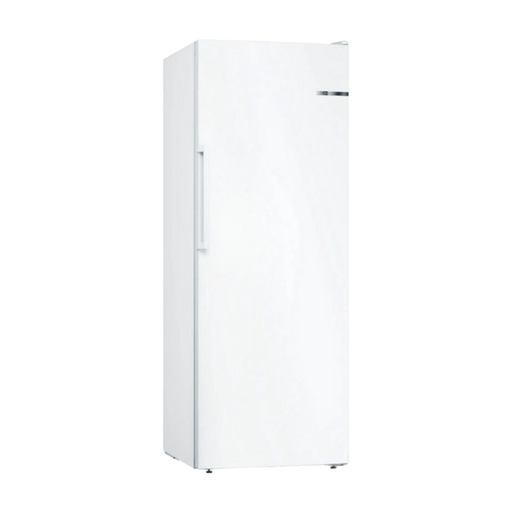 No image available
This upright model is worth comparing if you want to store soup containers in an upright freezer. Check the adjustable temperature and freezing capacity of the version on offer.
The product name lists model GSN29VWEV and Series 4.
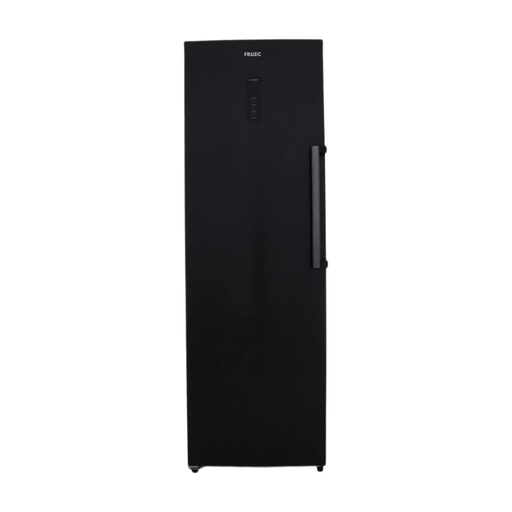 No image available
The capacity can help you decide whether this freestanding freezer will suit your containers and other food. Also check the temperature setting and freezing capacity.
The product name lists a capacity of 274 litres and No Frost.
 No image available
A chest freezer could work well if you can keep the lid clear and have enough floor space. Check whether its freezer setting reaches the temperature required for soup.
The product name lists a capacity of 141 litres, switchable fridge and freezer modes, a 7-setting thermostat and a removable basket.
Let the soup cool first, then place it in the fridge or freezer in a securely sealed container within 2 hours of cooking, advises the Netherlands Nutrition Centre. Set the freezer to at least −18 °C for storage. If you are adding a large batch, compare the model’s freezing capacity with the amount of soup.
According to the Netherlands Nutrition Centre’s storage guide, clear vegetable soup can be kept in the freezer for 3 months; its quality may deteriorate after that. For soup with different ingredients, follow the relevant storage advice where needed.
It depends on the minimum ambient temperature permitted for the specific model. Inventum and Liebherr state that some of the models listed can be used down to −15 °C; this ambient temperature does not, by itself, tell you what temperature the freezer can be set to for soup. Check both specifications for the model you are considering.
Yes. The Dutch Government lists freezers among the household appliances that must have an energy label. Alongside the A–G rating, compare the annual consumption in kWh shown on the label for the version on offer.
Yes, Low Frost does not mean that defrosting is never necessary. Inventum says the VK952W produces less ice but still needs to be defrosted periodically. For other models, follow the instructions in the relevant manual.