
If you freeze small portions occasionally
You sometimes freeze banana slices and want to check first whether your existing freezer has enough room. The Voedingscentrum offers advice on freezing bananas.


For the occasional few sealed portions of banana, you don’t necessarily need a separate chest freezer. If they fit in your existing freezer, you can use that space first. If you want to store extra supplies regularly, consider how much room you have and how easy it will be to find small packs. Then compare the stated freezing capacity and annual energy consumption of the exact model. The Voedingscentrum advises peeling bananas and, if you like, cutting them into smaller pieces before freezing them in a sealed container or freezer bag.
You sometimes freeze banana slices and want to check first whether your existing freezer has enough room. The Voedingscentrum offers advice on freezing bananas.
You want to store portions and other products separately more often, but also need to make room for the appliance and enough space to open the lid.
You’re weighing up the organisation offered by a basket against the easy access of drawers. The Consumentenbond explains that products may be easier to reach in a drawer freezer than in a chest freezer.
Choose this if: you freeze a few portions occasionally and already have room for them.
Bear in mind: you’ll also need to keep space available for other frozen food.
Choose this if: you regularly want to store separate portions and other supplies, and have room to open the lid.
Bear in mind: small packs at the bottom may be harder to reach; a removable basket helps keep them near the top.
Choose this if: you mainly want to sort and quickly access a variety of small portions.
Bear in mind: check that the usable capacity is large enough for all your supplies.
Start with the space you have and the capacity you really need. Milieu Centraal recommends choosing a suitable size. The European Commission says energy labels show information including annual energy consumption and capacity.
| What to consider | What should you look for? | Who is this most relevant to? |
|---|---|---|
| Space and need | First check how much free space there is in your existing freezer. For a chest freezer, measure its external dimensions and allow room to open the lid. | If I only freeze portions occasionally, I don’t want an appliance I don’t need taking up space. Around 36% of consumers put need and available space first. |
| Finding portions | Check whether the exact model has a removable basket and whether your containers or bags will fit in it. | I want to find small bags quickly without moving other supplies. For around 29% of consumers, being able to find portions easily is their main concern when buying. |
| Energy consumption | For models with a suitable capacity, compare the energy label and the stated annual consumption in kWh for each exact model. | Since a freezer uses electricity even when it contains very little banana, I check its annual consumption. Around 21% of consumers give this the highest priority. |
| Placement | Compare the lowest expected temperature in the location with the operating range specified by the manufacturer for that exact model. Also check the installation instructions. | If my only available space is a potentially cold outbuilding, I want to know whether the manufacturer says the chosen model can be placed there. Around 14% of consumers start by checking this placement requirement. |
You don’t automatically need extra storage for a few portions. An additional appliance also uses electricity when there’s very little in it.
First check how much space is available in your current freezer. Only choose extra capacity if you’ll also use it for other supplies.
Inventum gives the VK562W, with a capacity of 99 litres, a freezing capacity of 4.5 kg per 24 hours. Tomado quotes 2.25 kg per 24 hours for the TCF0991W, which also has a capacity of 99 litres. These are figures provided by the manufacturers, not the result of an independent comparative test.
If you regularly freeze larger quantities of fresh food, compare the stated kg per 24 hours for the exact model. For small portions, also consider how easy they are to reach.
Inventum still says that the VK562W with Low Frost needs to be defrosted.
Read the maintenance instructions for your chosen model before buying.
Defrosting takes time and means you’ll temporarily need somewhere else to store the contents.
The VK562W is a compact 99-litre chest freezer that provides a useful comparison if you need a little extra storage.
The TCF0991W has a stated capacity of 99 litres and offers a point of comparison for compact chest freezers.
The CF100EWN is a compact chest freezer with a storage volume of 98 litres, as stated by Beko.
With a capacity of 192 litres, the CFc 1875 Plus is a larger option for anyone wanting to store more than just bananas.
This selection includes compact chest freezers and freezers with compartments or drawers for small portions and additional supplies.
 No image available
An option for extra storage in a chest freezer that opens from the top. Check that you have enough space to open the lid.
95 litres, converts between fridge and freezer, 7-setting thermostat, removable basket and defrost drain.
 No image available
A basket can help keep small packs together. Check that the capacity suits the supplies you want to store.
98 litres, storage basket, counterbalanced lid, adjustable temperature control and energy class E.
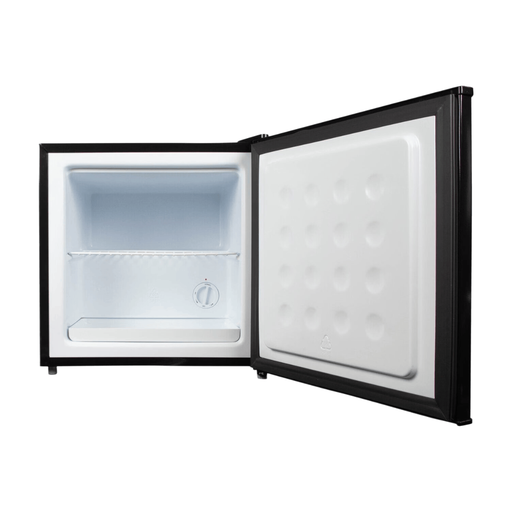 No image available
This undercounter model is an option if you need a smaller freezer. Check that it has enough capacity for your portions and other supplies.
31 litres and freestanding undercounter design.
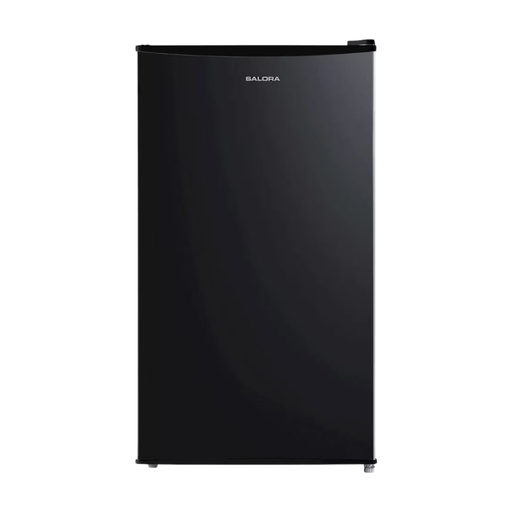 No image available
A freestanding model for storing other supplies as well as small portions. Compare its capacity with the space you have available.
60 litres and freestanding.
 No image available
The upright layout may suit anyone who wants to store supplies in separate compartments. Check that the capacity meets your needs.
60 litres, 3 compartments, adjustable temperature and reversible door.
The Voedingscentrum advises peeling the banana, cutting it into smaller pieces if you like, and freezing them in a sealed container or freezer bag. The Bewaarwijzer recommends keeping bananas for 8–12 months; after that, their quality may deteriorate.
No. Inventum still says the VK562W with Low Frost needs to be defrosted, approximately two to three times a year according to the manufacturer. Follow the maintenance instructions for any other model.
According to the European Commission, the current EU label for household freezers shows the A to G scale and information such as annual energy consumption, capacity and noise. Also compare the stated kWh per year for models with a suitable capacity.
Report a fault to the retailer. According to the Rijksoverheid, the manufacturer’s warranty is in addition to your statutory rights. The Netherlands has no fixed statutory warranty period, and what you can expect from a product depends on the circumstances.