
Seller of detailed chess pieces
You want to show small shapes, engravings or finishes individually. So look at the lens’s magnification and working distance, not just the number of megapixels.


For straightforward close-ups without changing lenses, a compact camera with a close-up mode could suit your needs. If you want more choice in magnification and lenses, consider a mirrorless camera with a suitable macro lens. For the latter, check the lens mount, magnification and working distance: a camera body or standard zoom lens won’t necessarily be suitable for macro photography. A tripod and consistent lighting can help you photograph multiple pieces in a similar way.
You want to show small shapes, engravings or finishes individually. So look at the lens’s magnification and working distance, not just the number of megapixels.
You regularly photograph individual pieces or sets and want to keep the framing and background consistent. Canon Netherlands recommends using a tripod to help achieve consistent composition.
You want to take close-ups without immediately buying an interchangeable lens. Check whether the framing and lighting of a camera with a fixed lens suit your chess pieces.
Suitable for: anyone who wants to capture details without changing lenses. OM SYSTEM says the Tough TG-7’s microscope mode can focus from as close as 1 cm.
Trade-off: the lens is fixed, so take a test shot to see whether the framing and space for lighting work for you.
Suitable for: anyone who wants to take both overview shots and frame small details to fill the image, with the option to choose a separate lens.
Trade-off: check the mount and what’s included in the kit. A short working distance can leave little room for lights or reflectors.
| What to consider | What should you check? | Who is this important for? |
|---|---|---|
| Small details | Check the maximum magnification, compatible lens mount and working distance of the specific lens. | If I want to show engravings or small shapes clearly, I look at how large they appear in the frame. Around 33% of consumers say small details are their top purchasing priority. |
| Consistent photo series | See whether you can use a tripod to keep the shooting angle and framing the same. | When I have lots of variants, I want to present the pieces in a similar way. Around 27% of consumers prioritise a consistent photo series. |
| Lighting and materials | Assess the working distance and space for lighting with both a light and a dark chess piece. | If I want to show wood grain, shine or dark surfaces, I want to assess reflections and colour in my own setup. Around 20% of consumers prioritise how materials and colours are rendered. |
| Complete setup | Check what’s included in the kit and whether you’ll need an additional lens, tripod or lighting. | When I want to get started with just a few components, I compare the complete setup rather than just the camera body. Around 20% of consumers prioritise a straightforward setup and the total purchase cost. |
Magnification and working distance depend on the lens you choose; a camera body or standard kit won’t automatically give you a macro setup.
Check the exact kit contents, lens mount and lens specifications before choosing a combination.
With a mirrorless camera, you may need to buy a suitable macro lens separately.
The focusing distance and the clear space between the front of the lens and the subject are not the same. A short working distance can also leave less room for lighting.
Assess the desired framing, reflections and lighting together with the smallest chess piece in your photo setup.
When you take multiple product photos, changing the framing can make the images less consistent. Canon Netherlands recommends using a tripod to keep the composition the same.
Set the camera, background and lighting positions, and check the focus and exposure for each series.
The Tough TG-7 is a fixed-lens option for anyone who wants to try taking close-ups without choosing a separate macro lens.
The EOS R50 is a mirrorless camera with an RF mount. Choose a lens to suit your preferred shooting distance.
The ZV-E10 has an E-mount; the E 30mm F3.5 Macro is a separate lens worth considering for small details.
The Z50II is worth considering with a separate macro lens, such as the NIKKOR Z MC 50mm f/2.8.
These cameras are worth considering for product photography. Check each model to see whether its features, lens and working distance are suitable for close-ups of chess pieces.
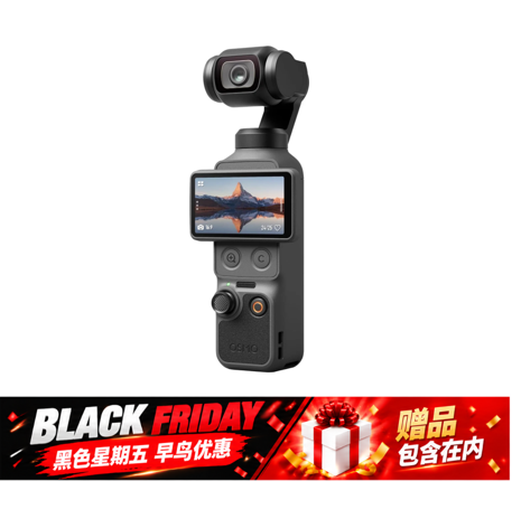 No image available
The product title describes a camera for photography with a 1″ CMOS sensor and 2× lossless zoom. Check whether its close-up capabilities suit your chess pieces.
The title also lists 4K/240fps, 3-axis stabilisation, 107 GB of built-in storage and a 2″ rotating screen.
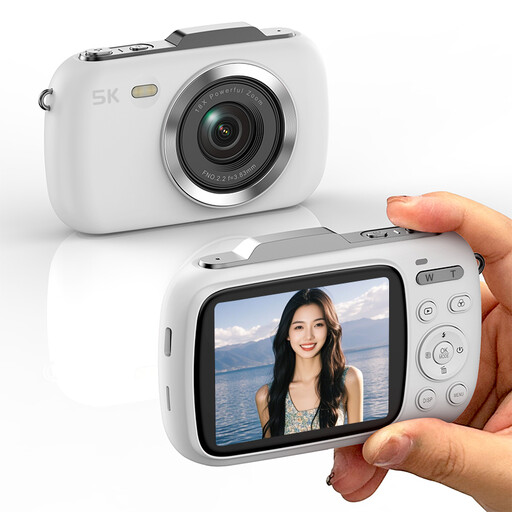 No image available
The title mentions autofocus and zoom. Check whether the camera can capture your smallest chess piece with the framing and close-up detail you want.
The title lists 5K, 80 MP and 18× zoom.
 No image available
The title mentions optical zoom, which may be useful if you want to adjust the framing. Check separately whether the camera is suitable for the close-ups you need.
The title lists 12× optical zoom, 4K and 64 MP.
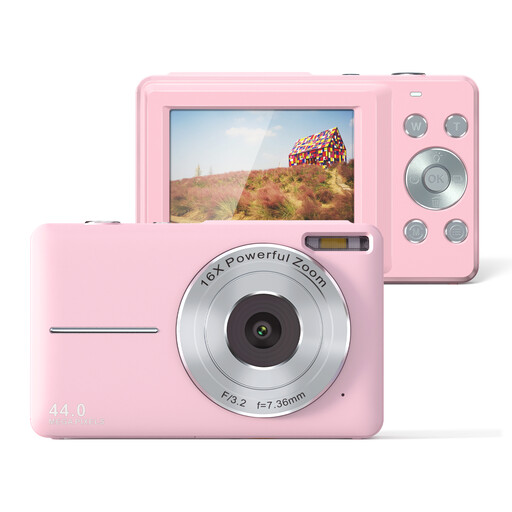 No image available
The title mentions autofocus and zoom for photography. Check whether the camera can show the small details of your products large enough in the frame.
The title lists 4K, 44 MP and 16× zoom.
 No image available
The product title mentions a zoom lens for adjusting the framing. Check whether this lens can also take the close-ups of chess pieces you want.
The product description lists a 24,2 MP APS-C sensor and an included 16–50 mm lens.
Compare the maximum magnification and working distance of the specific lens. The minimum focusing distance is measured from the sensor; the working distance is the clear space between the front of the lens and the chess piece. If possible, take a test shot of your smallest piece with the lighting you plan to use.
A tripod can help you keep the composition and background consistent. Canon Netherlands recommends one for product photography; also check the focus and exposure of each photo.
No, don’t assume that it does. According to the Netherlands Chamber of Commerce, business owners are generally less protected than consumers when entering into a contract, although a small business may be able to rely on consumer law in certain circumstances. Check the applicable contract and returns terms before placing a business order.
Not without more. The Government of the Netherlands says you may only use someone else’s copyright-protected photos with the creator’s permission; you may not make a copy for personal use publicly available.
No. The Netherlands Authority for Consumers and Markets warns that information which gives a misleading impression or leaves out important details can mislead consumers. So check that the photo accurately shows the chess piece or set you’re offering.