
Vandaag of morgen in huis

Kwaliteit gegarandeerd

Welkomstaanbiedingen ontgrendelen: GRATIS bezorging | Tot 80% korting | Gratis 30 dagen JoyPlus-proefperiode
Download de app
A good chef's knife is the most important tool in your kitchen. But the search can feel like a minefield of marketing terms and empty promises. You invest in a knife that's dull after a few months, or you buy an expensive set and never use half of it. As a Joybuy Product Recommendation Officer, I'll help you recognise these pitfalls and choose a knife that truly suits you.
Before you make a decision, watch out for these common marketing traps:
To make an informed choice, it's helpful to understand three basic elements of a knife. This will help you decipher specifications and determine what's important for you.
The type of steel determines the sharpness, durability, and maintenance of your knife.
The manufacturing method has a major impact on the balance and feel of a knife.
The shape of the blade is designed for a specific cutting technique.
Based on these specifications, we have selected a few options that suit different needs and budgets.
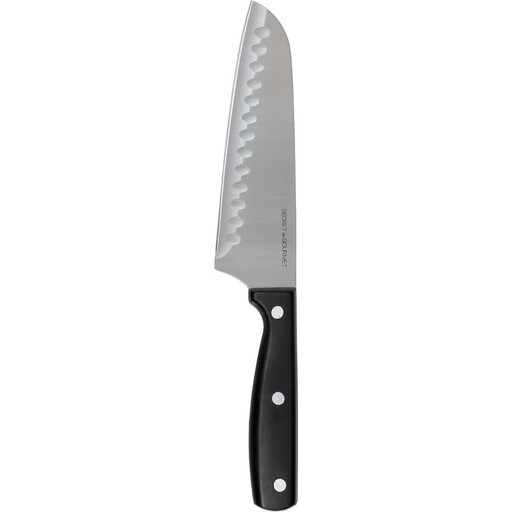
Why This Fits Their Persona: Ideal for those looking for a reliable and affordable first knife. This Santoku knife is versatile enough for most daily cutting tasks, from vegetables to meat, without requiring a major investment.
This knife is honest about what it is: a functional stainless steel knife. No misleading Damascus patterns or unrealistic promises. You avoid the pitfall of overpaying for unnecessary extras.
Made of stainless steel and dishwasher-safe, which makes maintenance easy. The ABS handle is sturdy and practical for daily use.

Why This Fits Their Persona: For the (home) cook who wants to invest in a knife that will last for years. This knife offers professional performance, excellent balance, and superior sharpness for those who take cooking seriously.
This knife debunks the "forever sharp" myth by focusing on verifiable quality. It is forged from high-quality steel and has excellent edge retention, prioritising the value of good material over marketing claims.
Fully forged from a single piece of X50CrMoV15 steel for superior balance and durability. The ergonomic handle and half-bolster make it comfortable for prolonged use and easy to sharpen.
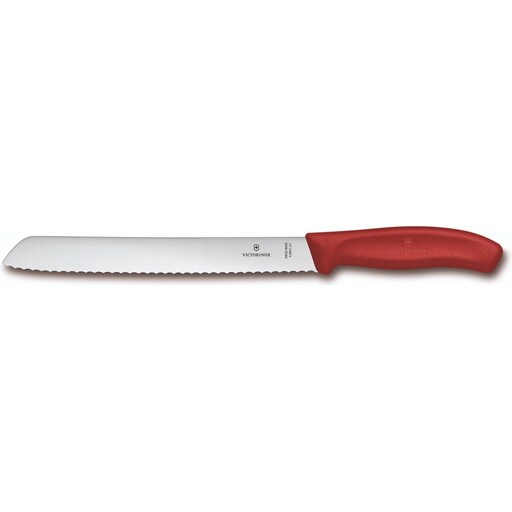
Why This Fits Their Persona: Perfect for anyone who regularly cuts bread, from a crusty loaf to soft brioche. This knife demonstrates the value of specialised tools for a specific task.
This knife proves you don't need an expensive, extensive knife set. By investing in a quality, specific bread knife, you solve a common problem (crushed bread) much more effectively than with a mediocre all-round knife.
The serrated edge of Swiss stainless steel cuts effortlessly through hard crusts without tearing the bread. The ergonomic handle ensures precision and comfort.
This depends on usage and the type of steel. A general guideline for a home cook is to sharpen your knife every 1-2 months with a whetstone or a professional sharpener. Regular honing with a honing steel (before every few uses) helps keep the edge aligned, reducing the need for frequent sharpening.
For most people, no. A basic setup of a good chef's knife or Santoku knife (15-20 cm), a paring knife (for small cutting tasks), and possibly a serrated bread knife is sufficient for 95% of all kitchen tasks. It's often better to invest in these three individual, high-quality knives than in a large, mediocre knife set.
Although many manufacturers state that their stainless steel knife is dishwasher-safe, it is generally not recommended. Harsh detergents, high temperatures, and contact with other cutlery can damage and dull the blade and handle. Washing by hand and drying immediately is the recommended method to extend the life of any quality knife.
