
Vandaag of morgen in huis

Kwaliteit gegarandeerd

Welkomstaanbiedingen ontgrendelen: GRATIS bezorging | Tot 80% korting | Gratis 30 dagen JoyPlus-proefperiode
Download de app
A good chef's knife is the foundation of any kitchen. It not only makes cooking easier but also more enjoyable. Yet, the search for the right knife is often unnecessarily complicated. Manufacturers use marketing terms that confuse more than they clarify, making it easy to make a poor purchase. As a Joybuy Product Recommendation Officer, I'm here to help you cut through the noise and make a choice based on what truly matters. Let's look at the three most common pitfalls.
Many knives are sold with a "dishwasher-safe" label. While this sounds convenient, it's often poor advice for quality knives. Aggressive detergents, high temperatures, and contact with other dishes can dull the blade, corrode the steel, and damage the handle. A knife that is washed by hand will retain its sharpness and condition for significantly longer.
A chef's knife is indeed versatile, but no single knife can perform every task perfectly. A heavy cleaver is unsuitable for filleting fish, and a flexible carving knife isn't ideal for mincing herbs. Don't fall for the promise of one knife that can do it all. A better approach is to invest in a good primary chef's knife and supplement it later with specialised knives as you need them.
"Damascus steel" or "carbon steel" sounds impressive, but it says little about the overall quality of a knife. Performance depends on many more factors, such as how the steel was processed (forging), its hardness, the balance, and the ergonomics of the handle. A well-balanced stainless steel kitchen knife from a reputable brand often performs better in practice than a poorly designed knife made from a supposedly superior material.
To make a lasting choice, focus on the specifications that truly matter. These are the three most important features to check before you make a purchase.
The way a knife is made largely determines its durability and balance.
The type of steel affects how long a knife stays sharp and how easy it is to maintain.
A knife should feel like an extension of your hand, and balance is crucial. A knife with a "full tang" construction, where the steel from the blade runs all the way through the handle, offers the best balance and durability. The handle material (wood, synthetic, composite) is a matter of personal preference, but ensure it fits seamlessly against the steel to prevent dirt from getting trapped.
Based on objective specifications, we have selected a few knives that suit different user profiles.
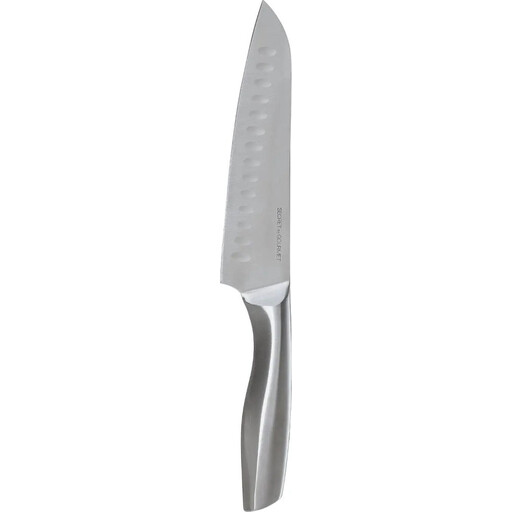
Why This Fits Their Persona: Ideal for those seeking a reliable and versatile first knife without paying a premium. This santoku knife is an excellent all-rounder for slicing vegetables, meat, and fish, and its stainless steel construction makes it easy to maintain.
This knife is forged, which is unusual in this price range and offers clear added value in terms of durability. It bypasses the pitfall of a cheap stamped knife that quickly becomes dull.
Fully forged from a single piece of stainless steel for good balance and sturdiness. The manufacturer states it is dishwasher-safe, which can be practical for a starter.
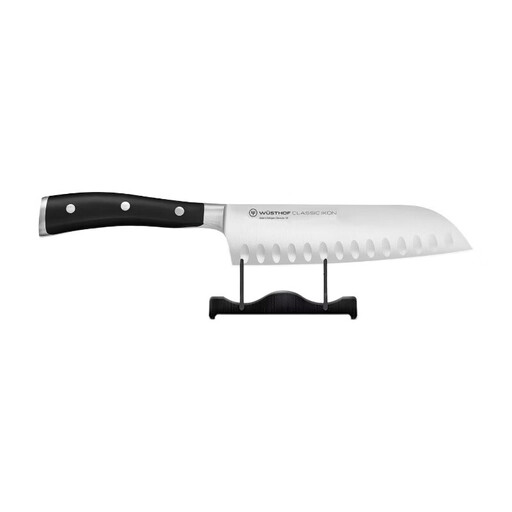
Why This Fits Their Persona: For the serious home chef who invests in tools that last a lifetime. This Wüsthof chef's knife offers the reliability of German craftsmanship, perfect balance, and a blade that holds its edge for a long time.
This knife completely bypasses the "dishwasher-safe" pitfall: the manufacturer explicitly recommends hand washing. This emphasizes the focus on quality and longevity over convenience.
Forged from a single piece of high-quality X50CrMoV15 stainless steel in Solingen, Germany. The bolster provides excellent balance, and Wüsthof's sharpening process guarantees a sharp blade.
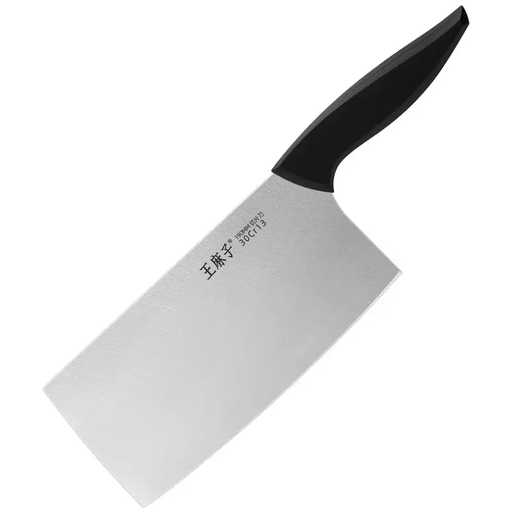
Why This Fits Their Persona: Perfect for the chef who specialises in Asian cuisine or who often needs to slice large pieces of meat and vegetables paper-thin. This is not a standard chef's knife, but a specific tool for precision.
This knife shatters the "one knife for everything" myth. It is presented as a specialist slicing knife and cleaver, intended for specific cutting techniques, not as a general all-purpose tool.
Forged from carbon steel for exceptional sharpness and edge retention. The full tang construction ensures superior balance and control during slicing.
Didn't find what you were looking for? We have compiled a complete, up-to-date list of products that meet these strict selection criteria and current regulations.
The main difference lies in the shape of the blade. A European chef's knife has a more curved blade, making it ideal for a "rocking" cutting motion. A santoku knife, of Japanese origin, has a straighter blade and a rounded tip. This makes the knife very suitable for a chopping, downward cutting motion and for making thin slices.
There is a difference between honing and sharpening. Honing is done with a honing steel to keep the edge straight; this is best done before each use. Sharpening is done with a whetstone or knife sharpener to actually remove steel and create a new, sharp edge. For the average home cook, sharpening once every few months is usually sufficient, depending on how intensively you use the knife.
A knife set can be a good start, provided the quality of all the knives is high. However, sets often contain knives you will rarely use. For many people, it's a smarter investment to start with one high-quality chef's knife and a small paring knife. From there, you can expand your collection with specific knives that suit your cooking style, such as a bread knife or a carving knife. This prevents you from paying for knives that will remain unused in the block.
