
Vandaag of morgen in huis

Kwaliteit gegarandeerd

Welkomstaanbiedingen ontgrendelen: GRATIS bezorging | Tot 80% korting | Gratis 30 dagen JoyPlus-proefperiode
Download de app
Cheese snacks are handy for drinks, lunchboxes, barbecues or when you need a quick bite. Yet many packets look similar. A crispy cheese-flavoured snack doesn't always contain much cheese, and a product from the freezer requires more preparation than a ready-to-eat option.
So don't just rely on the picture on the packaging. Instead, check the ingredients, storage instructions, portion size and when you plan to eat it. That way, you'll avoid buying a large bag that quickly goes soft, storing a frozen product incorrectly, or choosing a snack that doesn't suit any allergies in your group.
With cheese crisps, cheese puffs and other cheese snacks, the flavour often comes from a combination of cheese powder, milk derivatives, flavourings and taste enhancers. That's not necessarily a problem, but it is important to check the ingredients list.
For example, g'woon Cheese Flips contain 1.5% cheese powder. The snack is mostly made up of maize grits, sunflower oil and flavouring ingredients. If you're looking for a clear cheese component, compare the stated percentage of cheese or cheese powder rather than just the product name.
A 200g or 300g bag is practical for a party, but once opened, crispy snacks lose their texture more quickly. Choose smaller portions when you want to take snacks to work, school or a picnic. Individual packets are often easier to share and limit exposure to moisture.
Mini snacks from the cupboard can usually be served straight away. Frozen cheese snacks, however, must be kept frozen until you're ready to prepare them. Products such as sausages with cheese and toasties cannot be eaten raw either. Always check the cooking instructions and follow the temperature and timings on the packaging.
Check whether the product contains milk, gluten, egg, soya, peanuts or nuts. The phrase "may contain traces" is also relevant if someone in your group has an allergy. The allergen information on the product page is useful as a first check, but also look at the actual label when you buy.
For example:
Compare nutritional values per 100g, not just per portion. This makes cheese crisps, cheese puffs, cheese biscuits and cheese straws easier to compare. Pay particular attention to:
The g'woon Cheese Flips list 551 kcal and 1.68g of salt per 100g. The Lay's Hamka's list 500 kcal and 1.6g of salt per 100g. These figures don't tell you anything about taste or suitability for a particular occasion, but they do help you make an objective comparison.
A resealable packet is handy for snacks you serve over several sittings. With frozen products, the cold chain is important. Store them at the temperature stated on the label and do not refreeze defrosted products.
For hot party bites, preparation time can be decisive. According to the product information, the Topking Toasted Sandwich Ham & Cheese is ready in about five minutes in a toastie maker after defrosting. The Freshasia Taiwan Style Sausage with Melted Cheese must be fully heated; the stated cooking options are the pan or air fryer.
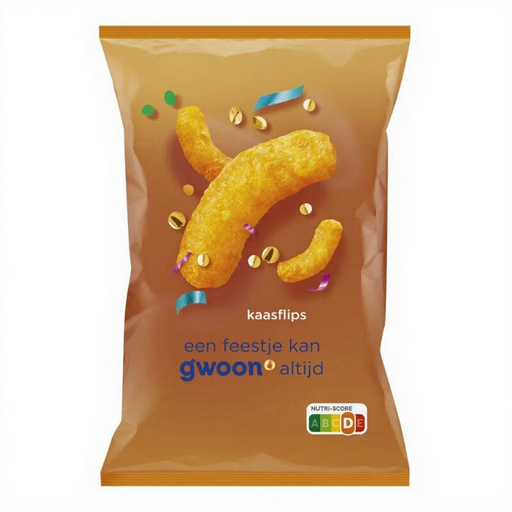
Why this fits the profile: A familiar bag of cheese puffs for drinks or a casual snack evening, with no preparation needed.
The product information states the cheese powder percentage and nutritional values, so you're not just relying on the term cheese snack.
200g, ready to serve and suitable for sharing. Contains milk and lactose.
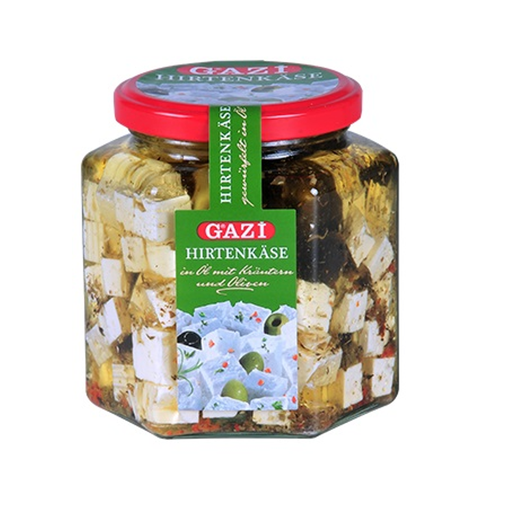
Why this fits the profile: For those who want to serve a cheese component on a cheeseboard, in a salad or as part of a mezze, rather than a processed crisp alternative.
The cheese cubes are ready to serve. You don't have to guess how much cheese is in a cheese-flavoured snack.
300g, with olives and herbs in oil. Per 100g, the product lists 18.5g of protein and 3g of salt.
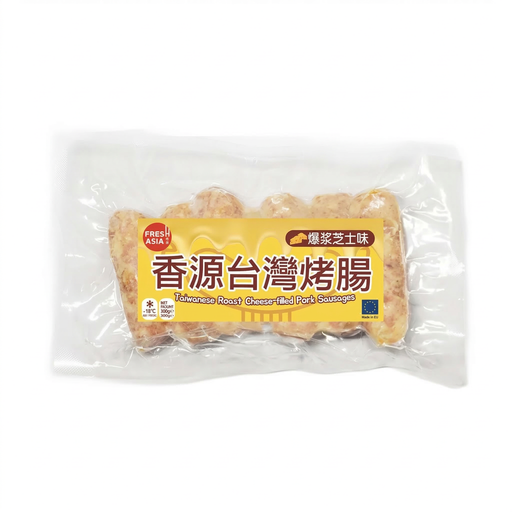
Why this fits the profile: A practical choice for barbecues, air fryers, hot party bites and bento lunchboxes.
The cooking method is clearly described: pan or air fryer. The product must be fully heated and should not be eaten raw.
300g, 15% cheese according to the product information, and suitable for cooking in approximately 10 to 14 minutes.
We've put together a full, up-to-date list of products that fully meet these strict selection criteria and comply with current European safety regulations.
For drinks and nibbles, cheese puffs, cheese biscuits, cheese straws and nuts are easy to serve in bowls. A nacho cheese dip goes well with tortilla chips, crudités and a casual film night. For a lunchbox, individually wrapped Wasa Sandwich products or a small portion of cheese crackers are practical.
For a barbecue, you can choose frozen cheese snacks such as cheese sausages. Keep raw meat products separate from ready-to-eat snacks and use clean utensils. A ham and cheese toastie or baguette is suitable when you want to serve something hot without extensive preparation.
Choose a mix of textures and preparation methods: a crispy snack, cheese cubes with olives, a dip and perhaps a hot option. Check the packaging beforehand for milk, gluten, peanuts and other allergens.
Store dry snacks in a cool, dry place, well sealed, away from sunlight and heat. Keep frozen products frozen until use. After defrosting, follow the instructions on the packaging and do not refreeze the product.
Yes, if you choose a long-life, individually wrapped variety. Cheese sausages and other frozen cheese snacks are only suitable if you cook them fully and transport them chilled according to the instructions on the label.
