
Vandaag of morgen in huis

Kwaliteit gegarandeerd

Welkomstaanbiedingen ontgrendelen: GRATIS bezorging | Tot 80% korting | Gratis 30 dagen JoyPlus-proefperiode
Download de app
Fancy something savoury for a film night, birthday or get-together? The range of cheese snacks is huge: from cheese crackers and cheese crisps to cheese straws, cheese biscuits and cheese puffs. But a flashy packet doesn’t always tell you what you’re really getting. This guide helps you compare products on ingredients, portion size, when to eat them and how to store them.
A cheese flavour can come from cheese powder, milk ingredients, flavourings or a combination of these. So always check the ingredients list and see if the percentage of cheese or cheese powder is stated. For example, g'woon Cheese Crackers lists 14% cheese, plus 5% cheese powder. That gives you more context than just the name “cheese crackers”.
With cheese-flavoured snacks, the taste can be strong without the product being mostly cheese. That’s not necessarily a problem, but it’s useful information when you’re comparing.
Crisps and other savoury cheese snacks are often sold in multi-portion bags. Doritos Nacho Cheese, 170 g, for example, states 5 to 6 portions of around 30 g each. A larger pack can be handy for sharing, but it’s less practical if you only want a small amount.
So pay attention to:
Not every cheese snack suits every situation. Crisps and puffs are ready to eat, while frozen cheese straws or cheese soufflés need to go in the oven or air fryer first. Also check whether a product needs to be resealed after opening or kept refrigerated.
A product that works well on a sharing platter isn’t necessarily convenient for eating on the go. So choose the occasion first, then the snack.
With cheese crackers, cheese crisps and other cheese snacks, always check the allergen information. Many products contain milk or lactose. Wheat, gluten, soya, egg, sesame and sometimes nuts are also common.
Examples from the range:
Always use the label on the packaging as your most up-to-date source. Ingredients and allergen information can change.
Comparing per 100 g is useful for putting different products side by side. For everyday use, the portion size is just as important. Brets Jalapeño Cheddar Chips, for example, states 157 kcal per 30 g portion, while the values per 100 g are higher.
Also look at:
A higher fibre content doesn’t mean a snack automatically suits everyone’s preference. Use the nutrition table as a factual comparison, not as your only buying criterion.
Dry snacks like cheese biscuits, cheese crisps and cheese puffs are best stored in a cool, dry place away from light and moisture. Seal the pack well after opening to keep them crunchy for longer.
Frozen products need more planning. Mora Cheese Souffles Mini and Topking Cheese Sticks Old Cheese must stay frozen until you’re ready to cook them. Follow the temperature and cooking instructions on the pack. If you do defrost them, the product information says you must not refreeze them.
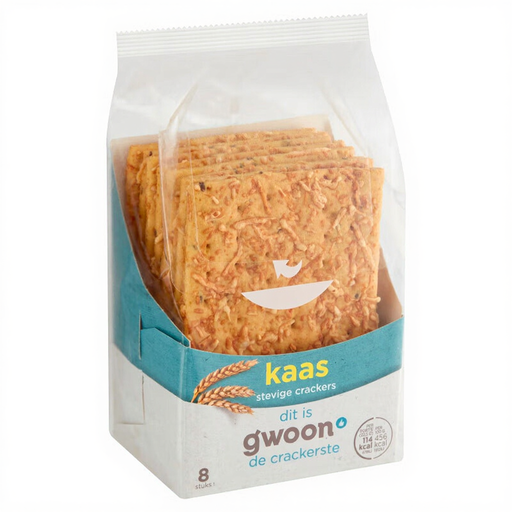
Why this fits the profile: The 200 g pack is practical for a simple snack stash or a sharing moment with several people. The firm bite suits fans of classic cheese crackers.
The product states 14% cheese and 5% cheese powder, so you can factor the cheese content into your comparison.
200 g per pack, firm texture and clear allergen information for milk and gluten.
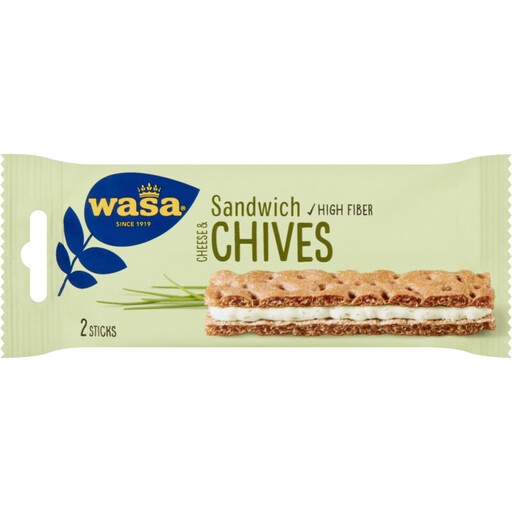
Why this fits the profile: The individual portions are handy when you want a crunchy cheese and chive snack on the go, at the office or during a light break.
The pack contains three 37 g portions, so you don’t have to open a whole big bag at once.
Made with wholemeal rye, 13% fibre according to the product information and two sandwich sticks per pack.
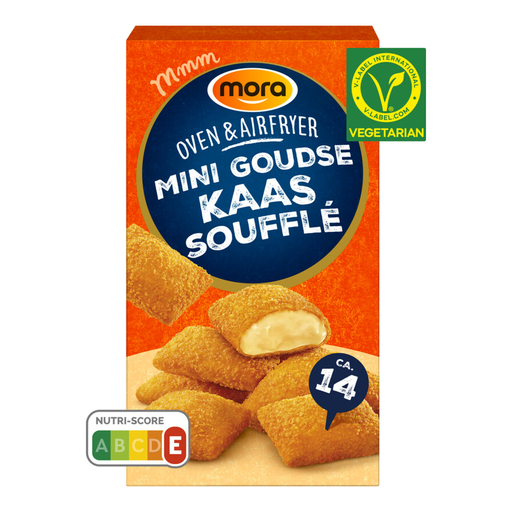
Why this fits the profile: These frozen mini cheese soufflés are designed for cooking in the oven or air fryer and are ideal for warm cheese party bites.
The product information clearly states that it must be kept frozen and cooked from frozen. This makes it easy to plan when you’ll use it.
252 g per pack, vegetarian according to the product information and suitable for oven and air fryer.
We’ve put together a full, up-to-date list of products that meet these strict selection criteria and comply with current European safety regulations.
For a party you can choose from cheese crackers, cheese puffs, cheese crisps and warm options like cheese straws or mini cheese soufflés. Dry snacks are ready to serve straight away. Frozen products need cooking and are best when you have an oven or air fryer available.
Store dry cheese snacks in a cool, dry place out of direct sunlight. Seal the pack well to keep moisture out. For frozen products, check the temperature on the label and follow the instructions on defrosting, chilling and refreezing.
Compare the net weight, portion size, ingredients, allergens and nutritional values. Also check the cooking and storage instructions. This way you avoid buying a big bag for a solo snack moment, or ordering a frozen product when you don’t have a suitable way to cook it.
