
Vandaag of morgen in huis

Kwaliteit gegarandeerd

Welkomstaanbiedingen ontgrendelen: GRATIS bezorging | Tot 80% korting | Gratis 30 dagen JoyPlus-proefperiode
Download de app
Fancy something savoury for a film night, party or quick snack? There is a wide range of cheese snacks available, from cheese crackers and cheese balls to cheese biscuits, cheese dip and cheese soufflés. However, eye-catching packaging does not always tell you enough about flavour, ingredients or ease of use.
So keep an eye out for these three common pitfalls:
Ingredients are listed in descending order by weight. If cheese, Gouda, Emmental or another type of cheese appears first, it makes up an important part of the product. If flour, oil or sugar is listed first, it is more likely to be a cracker, biscuit or corn snack with cheese flavour.
For a savoury cheese snack, salt, fat and saturated fat are also relevant considerations. Nutritional values are usually stated per 100 grams. This makes comparisons easier, but also check the serving size. A 100-gram bag may contain several servings.
Texture determines how you use a product:
For baked or fried snacks, also check the preparation instructions. Temperature and cooking time may vary between ovens, so follow the directions on the packaging.
Milk is a legally required allergen declaration for many cheese snacks. Wheat, gluten, soya, egg, nuts or mustard may also be present. Read the current packaging if you have an allergy or intolerance, as product formulations can change.
Also consider these practical points:
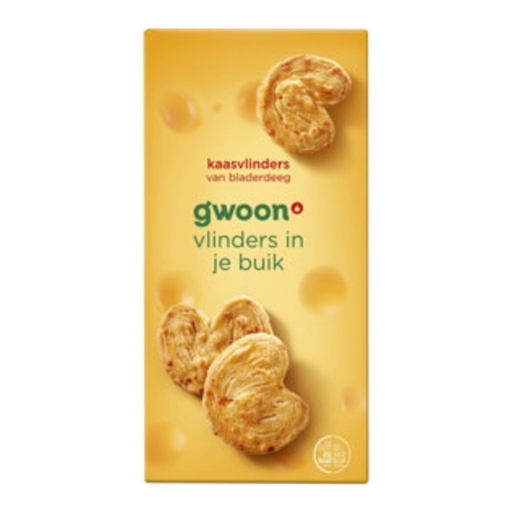
Why it suits this profile: This baked, crisp snack is ready to serve and suitable for a small drinks gathering, lunch box or bowl to enjoy in front of the television.
The product information specifies particular types of cheese, including 10% grated Emmental and 3% Gouda. This makes it easier to assess the ingredients than with a general “cheese-flavoured snack” description.
100 grams, baked and crisp; according to the product information, gluten-free. Contains milk and may contain traces of egg, hazelnuts and sesame.
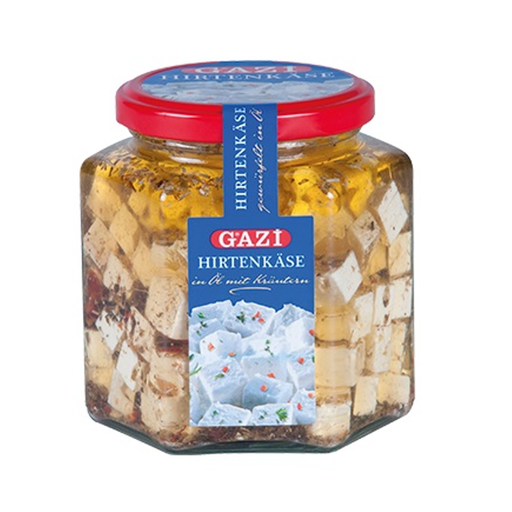
Why it suits this profile: The marinated cheese cubes are ideal for an extensive sharing platter, salad or Mediterranean meal when you want to serve something straight away.
The description lists pasteurised cow’s milk, oil, oregano, basil, rosemary and paprika. This gives you a clearer idea of the flavour profile to expect.
375 grams of ready-to-eat cheese cubes in oil; suitable for breakfast, drinks, salads, pasta or bread. Contains milk.
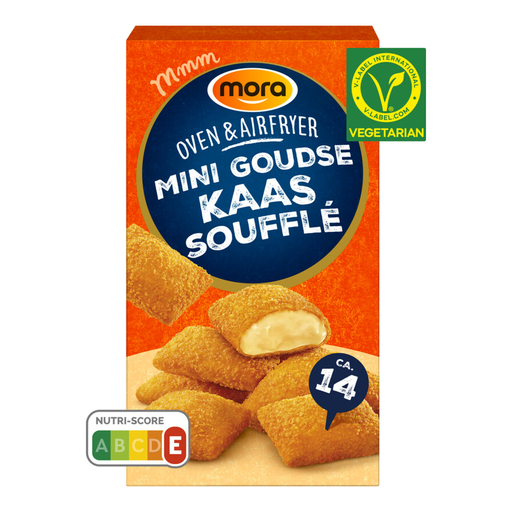
Why it suits this profile: A convenient choice if you want to serve hot cheese snacks at a party, drinks gathering or film night and have an air fryer or oven available.
The packaging provides clear preparation instructions: serve from the oven or air fryer. You know in advance that this is a frozen product, not a ready-to-eat cold snack.
252 grams of mini cheese soufflés with, according to the product information, 24% Gouda; vegetarian and suitable for the oven and air fryer.

Why it suits this profile: A practical choice if you want to serve a creamy dip with nachos, crisps or vegetables without cooking.
The product information states that the dip can be eaten without heating. This prevents you from buying a product that requires preparation when speed is what you are looking for.
200 grams of ready-to-eat cheese dip; suitable for nachos, crisps and vegetables. Contains milk and must be sealed properly after opening.
We have put together a complete, up-to-date list of products that fully meet these strict selection criteria and the applicable European safety regulations.
Cheese balls, cheese crackers, cheese biscuits and cheese dip can be served straight away and require very little preparation. If you want something hot, cheese soufflés or a pizza with several types of cheese are suitable options. Pair crisp snacks with a dip and something fresh, such as cucumber or pepper.
That depends on the ingredients, serving size and any allergies. Check the label for milk, gluten, soya, egg and nuts. Choose small portions and, for young children, consider the shape and firmness of the snack. The current packaging should always be treated as the definitive source of information.
Dry snacks should generally be stored in a cool, dry place and sealed properly. Cheese dip, cheese in oil and other products in an opened jar or tub should be refrigerated or consumed quickly according to the label. Store frozen products frozen and do not refreeze them after thawing.
