What should you look for when buying?
Start with how many you want to bake per batch, then check whether the oven will fit in your kitchen. Only then choose the oven setting that suits your recipe.
| What to consider |
What should you check? |
Who should prioritise this? |
| Batch size |
Check the usable baking tray size, the trays supplied and the supported shelf positions. The oven’s capacity in litres won’t tell you how many scones will fit on a tray. |
I want to bake enough scones per batch for the sale and keep the number of batches down. Around 50% of consumers prioritise baking capacity. |
| Positioning |
Measure an existing cabinet space or the area available for a freestanding model, and follow the installation and positioning instructions. |
If I don’t have a suitable cabinet space, a freestanding oven matters more to me than extra oven capacity. Around 30% of consumers prioritise positioning. |
| How they bake and the crust |
Check whether the oven offers both fan and conventional heat, and what temperature settings are available. |
I want to follow the setting in my recipe and bake a test batch first if I use a different one. Around 20% of consumers prioritise control over the baking results. |
Ovens at Joybuy
This selection of Joybuy products includes built-in and freestanding ovens for different kitchen layouts and baking needs.
 Image unavailable
Comfee electric built-in oven, 60 cm, 70 L
A built-in option if you have a suitable cabinet space; check the dimensions and usable baking tray space for your batch.
The product name lists 3 kW, grill and pizza functions, AquaClean steam cleaning, an LED display with timer, ECO mode and energy class A.
View at Joybuy
 Image unavailable
Bosch HBF133BR0 built-in oven, 66 L
A built-in option if you have a suitable cabinet space. Before buying, check the baking tray size and whether the oven supports the shelf positions you need for your batch.
The product name lists five programmes, ecoClean, rapid preheating and a stainless steel and black finish.
View at Joybuy
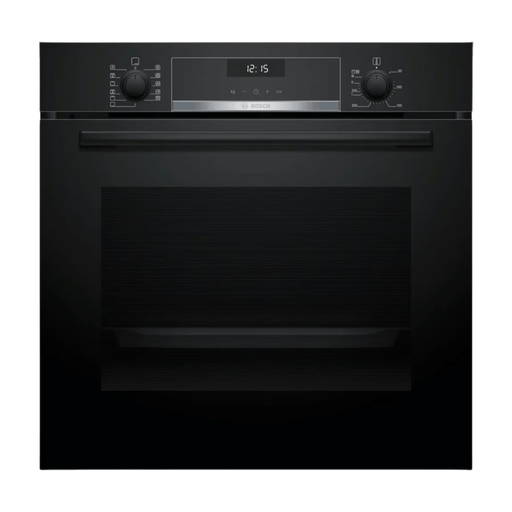 Image unavailable
Bosch HBG537EB4 Serie 6 built-in oven, 60 cm, 71 L
A built-in option if you have a suitable cabinet space. Check the baking tray size and usable shelf positions for the number of scones you want to bake at once.
The product name lists Air Fry, EcoClean Direct, energy class A+ and a black finish.
View at Joybuy
 Image unavailable
Severin TO 2074 4-in-1 mini oven
A freestanding option if you don’t want to use a built-in cabinet space. Make sure you have a stable, heat-resistant surface and enough room for ventilation.
The product name lists a black finish, baking, toasting and grilling functions, and 1200 W.
View at Joybuy
 Image unavailable
Wiggo WMO-E456(W) mini oven, 45 L, white
A freestanding option if you don’t want to use a built-in cabinet space. Check the space available and the baking tray size for your planned batch.
The product name lists 2000 W.
View at Joybuy
Frequently asked questions
Can you bake several trays of cheese scones at once?
Only if the exact model supports the relevant shelf positions and oven setting. Bosch specifies up to three shelf positions for the HBA534BB3, while AEG says the NBU5P40SK can accommodate up to three baking trays at once. Test your recipe to see how the scones bake on the shelf positions you use.
Which oven setting and temperature should you use for cheese scones?
Start with the setting specified in your recipe. Rutger Bakt’s savoury cheese scone recipe specifies 200 °C and around 15 minutes, but the quoted text doesn’t mention a fan setting. So don’t automatically use that temperature with the fan setting; bake a test batch first.
What should you check before positioning the oven?
For a built-in oven, measure the cabinet space and check the installation instructions for the exact model. For a freestanding oven, check the positioning and safety instructions; children should only use a hot oven with appropriate supervision.
Do you need to provide allergen information when selling cheese scones at school?
Yes. Before someone chooses a scone, tell them about the allergens in the ingredients you’ve actually used. The NVWA states that allergen information for non-prepacked products must be provided to consumers in another way.
What if your new oven develops a fault?
If you’re in the Netherlands and something goes wrong, contact the seller. The Dutch government states that there’s no fixed statutory guarantee period; your legal rights depend on what you could reasonably expect from the product. Any manufacturer’s guarantee is in addition to these rights.


