What should you look for when buying?
Window light with a white reflector
Choose this if: you photograph during the day and a white card brightens the shadow side enough.
Trade-off: the strength and direction of daylight can change.
Compact, dimmable bi-colour panel
Choose this if: you want targeted fill light for a small cheese board and can position the light close to your setup.
Trade-off: a small panel covers less area. A lux rating at a particular distance doesn’t, on its own, tell you how the light will fall on your board.
Larger panel with a diffuser or softbox
Choose this if: you want to light a larger cheese board or several consecutive shots and have room for a stand.
Trade-off: check whether the diffuser, softbox, stand and suitable power supply are included with the version you choose.
Compact RGB light panel
Choose this if: portability or a coloured background effect matters more than broad white fill light on the food.
Trade-off: check the exact version. The VL49 RGB is not the same model as the white VL49 or the VL49 Pro.
Adobe Lightroom Academy and Nikon explain how reflection and shaping light can help you use window light for food photography. For colour control, Canon Europe recommends adjusting the white balance to achieve the colour rendition you want.
| What to consider |
What to look for |
Who should pay particular attention? |
| Soft fill for shadows |
Try a white reflector first. If you choose a panel, check that it’s dimmable and offers suitable diffusion. |
If I want to brighten the dark side while keeping the direction of the window light, I need soft fill. Around 36% of consumers prioritise this. |
| Cheese colour and the overall look |
Check the adjustable colour temperature and set the white balance to suit the combination of window and panel light. |
When I take product or menu photos regularly, I want to keep colours consistent as the window light changes. Around 29% of consumers put colour control first. |
| Positioning and power |
Check the mounting, available space, power options and included accessories for the exact version. |
With little room beside the cheese board, I need a light that fits securely in the space available. Around 21% of consumers prioritise easy positioning and power. |
| Repeatable lighting |
Check that brightness and colour temperature are adjustable and that the power supply suits the length of your shoot. |
If I photograph several cheese boards, I want to be able to recreate the lighting setup when daylight changes. Around 14% of consumers prioritise repeatability. |
Joybuy products for this setup
This selection from Joybuy focuses on a compact light for fill lighting in product photography and small tabletop setups.
 No image available
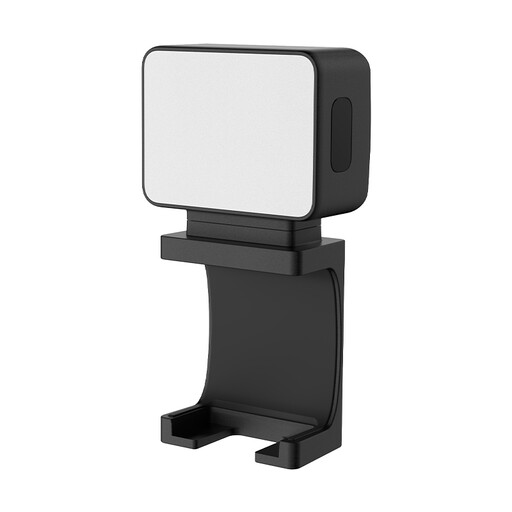
Ulanzi LM001 Portable Mini Fill Light
This compact light with magnetic mounting suits a small tabletop setup. Check that its positioning and light spread are suitable for your cheese board.
The product name specifies a 500 mAh battery and a waterproof design. Check the stated limits for use before exposing the light to moisture.
Before buying, check that the specific version and any mains power supply comply with the applicable CE requirements. The NVWA links the CE marking requirement to electrical products covered by the relevant legislation.
View at Joybuy
Frequently asked questions
Should I use an LED panel straight away when shooting in window light?
No. First, try bouncing light back using a white card opposite the window. A panel is most useful if you then need more controllable fill light or want repeatable results.
How can I avoid inconsistent cheese colours when using both window light and an LED panel?
Where possible, use an adjustable white-light panel, assess the combination at your shooting location and adjust the camera’s white balance to match. Natural light can change colour throughout the day; Canon Europe describes white balance as a setting for achieving the colour rendition you want.
What should I check before setting up and using the light?
Check that the mounting, diffuser and power supply are included with the exact version, and that the light can stand securely out of shot. Follow the instructions for the model you’ve bought when charging and using it safely.
Which Dutch safety rule applies to an electric LED panel?
According to the NVWA, CE marking is mandatory for electrical products covered by the relevant legislation. Check the specific version and any mains power supply. The marking is a declaration by the manufacturer and isn’t, on its own, an independent product test.
What are my rights when buying online in the Netherlands?
When you buy online as a consumer, you’ll generally have a statutory 14-day cooling-off period from delivery, subject to exceptions, according to ACM ConsuWijzer. You’re also covered by the statutory guarantee if a product doesn’t perform as you could reasonably expect under normal use; the seller is your point of contact.


