
Vandaag of morgen in huis

Kwaliteit gegarandeerd

Welkomstaanbiedingen ontgrendelen: GRATIS bezorging | Tot 80% korting | Gratis 30 dagen JoyPlus-proefperiode
Download de app
The sun is out, and you're ready to barbecue. But the memory of last year's wobbly grill that rusted after one season, or that time everything got burnt to a crisp, is holding you back. Choosing a good charcoal barbecue can feel like a minefield of marketing claims and vague specifications.
As a Product Recommendation Officer at Joybuy, I see the challenges buyers face every day. Many barbecues look great in photos but turn out to be a source of frustration in practice. Let's go over the three most common pitfalls to ensure your next purchase is a perfect match.
You don't need to be an expert to avoid these pitfalls. Just pay attention to a few key specifications. These are the factors that make the difference between a bad buy and years of grilling enjoyment.
A barbecue needs to be sturdy and durable. Look beyond just the aesthetics.
Don't be misled by the overall dimensions of the barbecue. What matters is the usable cooking area.
The ability to regulate the temperature is crucial. This is what separates a serious grill from a simple fire pit.
Based on these criteria, we have selected a few models that suit different user profiles.
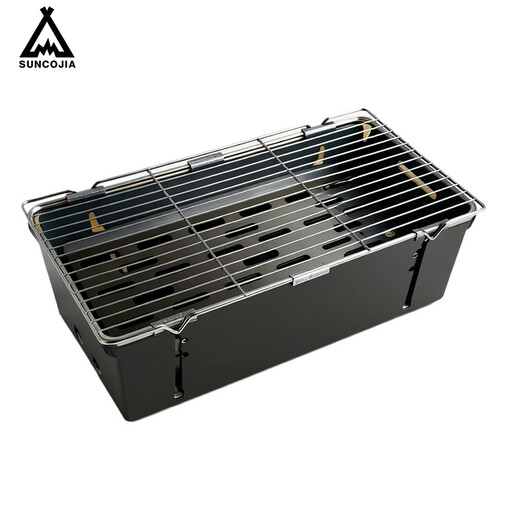
Why This Fits Their Persona: Perfect for those who love heading to the park, beach, or campsite. This model is designed for maximum portability without compromising on sturdiness. It's quick to set up and pack away in the included bag.
The thick carbon steel construction prevents the 'rusts-after-one-season' trap. It's built to withstand heat and is far more robust than standard folding barbecues.
Features a quick-fold design and comes with a carrying case. The stainless steel grill grate ensures even heat distribution.
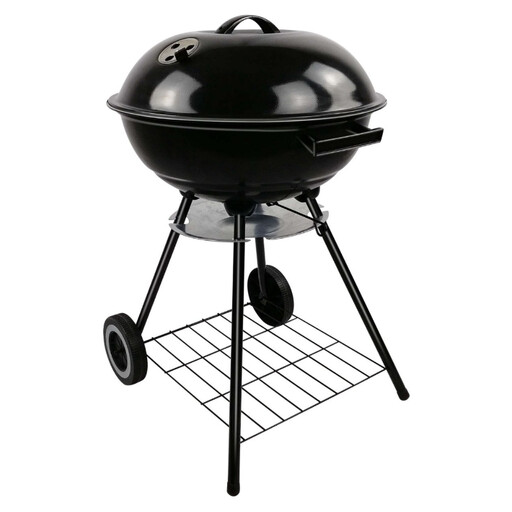
Why This Fits Their Persona: This is the classic all-rounder for those who regularly grill in the garden or on the balcony. Its size is ideal for a family, and the wheels make it easy to move.
Tackles the 'everything-burns' frustration. The lid and integrated ventilation system give you complete control over the temperature, which is essential for great grilling results.
The removable ash catcher makes cleanup simple. The extra storage rack underneath is handy for your barbecue tools.
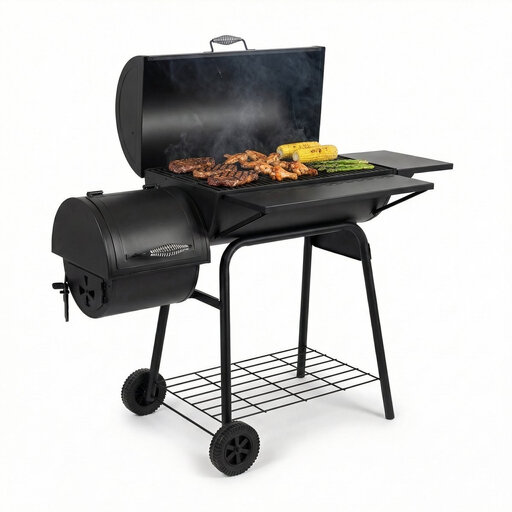
Why This Fits Their Persona: For the griller who wants more than just sausages and burgers. The separate smoker box lets you experiment with slow-cooking and smoking. Ideal for larger groups and long barbecue evenings.
This model bypasses the 'just-not-big-enough' deception. With a primary grilling area of 66x41 cm, a warming rack, and a smoker, you have more than enough space for any culinary project.
The integrated offset smoker imparts an authentic smoky flavour to food. Convenient extras like a side table, storage rack, and bottle opener make it a complete outdoor cooking station.
For a quick, one-off solution in the park, a disposable barbecue can be handy, but for regular use, a more durable model is a better investment.
We've compiled a complete, up-to-date list of products that meet these strict selection criteria and local safety regulations.
Lump charcoal ignites faster and reaches higher temperatures, which is ideal for quickly searing meat. Charcoal briquettes, like the THM 3 kg briquettes, are made from compressed carbon and burn longer at a more consistent temperature. This makes them very suitable for a kettle barbecue or for dishes that require longer cooking times.
This depends heavily on the rules of your homeowners' association (HOA) or landlord. In many apartment buildings, open flames, and therefore charcoal barbecues, are prohibited due to fire hazards and smoke nuisance to neighbours. Always check your building's regulations first. If it is permitted, opt for a compact tabletop barbecue and ensure maximum safety and minimal smoke.
After use, let the barbecue cool down completely. Remove the ash from the kettle; models with an ash catcher make this much easier. Brush the still slightly warm grill grate with a sturdy wire brush to remove any caked-on food residue. Clean the exterior with a damp cloth and store the barbecue in a dry place to prevent rust.
