
Vandaag of morgen in huis

Kwaliteit gegarandeerd

Welkomstaanbiedingen ontgrendelen: GRATIS bezorging | Tot 80% korting | Gratis 30 dagen JoyPlus-proefperiode
Download de app
After a long, busy day, it can be hard to switch off and truly relax. You're looking for a simple, natural way to unwind, perhaps to prepare for a good night's sleep. Chamomile tea is a well-known choice for such moments. But with the various options on the shelves—from pure and organic to blends with honey or other herbs—it can be tricky to choose the right one.
As a Joybuy Product Recommendation Officer, my job is to help you make an informed choice. In this article, we'll provide practical tips and highlight several popular options to help you find the chamomile tea that's perfect for you.
Before we dive into the products, here are a few key considerations to help guide your choice.
The first question is whether you prefer pure chamomile tea or a blend.
Another consideration is the origin of the ingredients. Organic chamomile tea is grown without the use of synthetic pesticides and artificial fertilisers. For consumers who value sustainability and the purest possible product, an organic certification can be the deciding factor. Brands like Zonnatura specialise in this.
One of the main reasons people choose chamomile tea is that it's a caffeine-free tea. This makes it an excellent choice as a bedtime tea. Unlike black or green tea, which naturally contain caffeine, you can enjoy a cup of herbal tea like chamomile without worrying about a disrupted night's sleep.
Based on product specifications and composition, we have selected three different types of chamomile tea that provide a good overview of what's available.
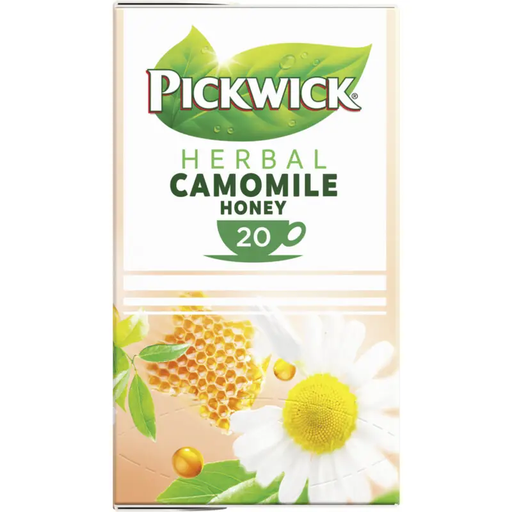
Why it stands out: This tea from Pickwick combines the gentle flavour of chamomile with a natural honey taste. It's an accessible and popular choice for those who enjoy a slightly sweet tea without adding sugar or honey themselves.
Pros:
Who is it for? Ideal for tea drinkers who find the pure taste of chamomile a bit too bitter or floral and prefer a soft, slightly sweet finish. It's also convenient for the office or on the go, thanks to the individual packaging.
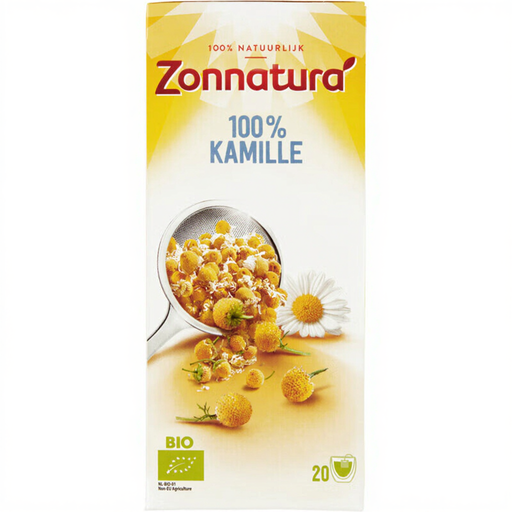
Why it stands out: Zonnatura is known for its organic products, and this chamomile tea is no exception. The tea consists of just one ingredient: organic chamomile. It doesn't get any purer.
Pros:
Who is it for? For the purist looking for an unprocessed, organic chamomile tea. If you appreciate the pure taste of herbs and consciously choose organic products, this is an excellent option.
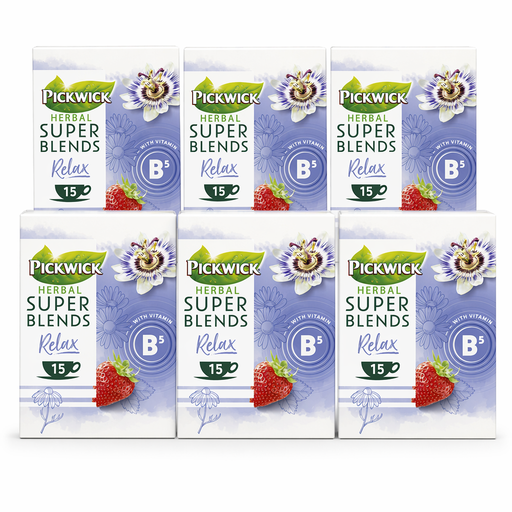
Why it stands out: This tea is more than just chamomile. It's a complex herbal tea blend with chamomile, passionflower, strawberry and lemon balm. Pickwick has also added vitamin B5 to this blend.
Pros:
Who is it for? For those looking for a calming tea with a surprising and layered flavour. If you find standard chamomile tea a bit plain and are open to a fruity twist, this Super Blend is worth a try.
These three recommendations offer a great starting point, but the world of herbal tea is, of course, much larger. Perhaps you're looking for a different blend, or you want to try pure mint or rooibos tea. Every herbal tea has its own unique character and flavour profile.
Curious about what else is out there? Take a look at our full range of Herbal Tea Drinks and discover the many flavours available.
1. Does chamomile tea really help you sleep better? Chamomile tea is often consumed as a bedtime tea. This is because it is a warm, caffeine-free beverage. The ritual of drinking a cup of tea before bed can have a calming effect for many people, helping them to wind down from the day. While no medical claims are made, it is widely regarded as a soothing evening drink.
2. What is the difference between chamomile tea and other herbal teas? Herbal tea is an umbrella term for all teas made from plants other than the tea plant (Camellia sinensis). Chamomile tea is therefore a specific type of herbal tea, made from chamomile flowers. It is known for its mild, slightly apple-like and floral flavour. Other popular herbal teas include mint tea (refreshing), rooibos (sweet and earthy) and ginger tea (spicy).
3. How much chamomile tea can I drink per day? For most adults, drinking a few cups of chamomile tea per day is generally fine. There is no strict limit, but as with anything, moderation is wise. It's always a good idea to consult the instructions on the packaging of the specific product.
