First, compare similar breakfast cereals per 100 g for carbohydrates, sugars, fibre and salt. Then check the ingredients, allergens and the amount you usually eat. The Diabetes Fund lists wholegrain breakfast cereals, porridge oats and muesli as options to consider if you have type 2 diabetes, and recommends limiting low-fibre cornflakes as much as possible. Only choose a larger pack if its nutritional profile suits your breakfast and you can use it before its best-before date. Any personal guidance on carbohydrates and medication should always take priority.
Who is this comparison for?
Breakfast shoppers who are looking for fibre
You’re comparing a wholegrain base with low-fibre flakes and want to know how much fibre and how many carbohydrates the product contains per 100 g. The Diabetes Fund lists wholegrain breakfast cereals, porridge oats and muesli as options to consider if you have type 2 diabetes.
Households checking sugar claims
You don’t want to rely solely on a claim about no added sugars. You also check total carbohydrates, fibre, salt, ingredients and any sweeteners before choosing a larger pack.
Households that regularly eat the same breakfast
You’re considering a larger pack for regular use, but first check that its ingredients, size and best-before date suit your household. Only compare the price per kilo between products you actually want to eat.
What should you look for when choosing?
Start by comparing the nutritional information per 100 g for similar products. Then work out your usual portion and consider whether a larger pack is practical. The Netherlands Nutrition Centre recommends comparing products per 100 g, so differences in the portion sizes shown on packs don’t distort the picture.
| What to consider |
What should you check? |
Who should pay particular attention? |
| Wholegrain base and fibre |
Compare the ingredients and fibre per 100 g, alongside the total carbohydrates. |
I want a wholegrain cereal as a regular breakfast staple, but I also want to know how many carbohydrates my choice contains. For around 36% of consumers, a fibre-focused base comes first. |
| Sugars and carbohydrates |
Check both carbohydrates and ‘of which sugars’ per 100 g. Also check the ingredients, sweeteners and salt. |
A claim about no added sugars isn’t enough for me to compare different packs. That’s why around 29% of consumers pay the most attention to the full nutritional information. |
| Portion and breakfast combination |
First compare per 100 g, then work out how much cereal and any additions you actually eat. |
My bowl may be different from the portion shown on the box, so I want to take my whole breakfast into account. Around 21% of consumers prioritise keeping track of their portions. |
| Larger pack and how you’ll use it |
Check the pack size, best-before date, storage advice and allergens. Only compare the price per kilo between similar products. |
I’d rather not buy more than my household can use in time, even if a larger pack looks appealing. For around 14% of consumers, choosing a practical amount to keep in stock is the main concern. |
Common mistakes when comparing
-
Assuming ‘no added sugars’ means ‘low in carbohydrates’
That claim doesn’t tell you how much total carbohydrate, fibre or salt a product contains. For example, Jumbo lists 76 g of carbohydrates, 7.2 g of fibre and 1.15 g of salt per 100 g for its Special Flakes.
Compare the nutritional information per 100 g, then read the ingredients list—even if the front of the pack focuses on sugar.
-
Using the manufacturer’s portion size as your standard for comparison
The portion on one box may not be the same size as the one on another. As a result, you could misjudge the differences between products if you compare the figures per portion alone.
Compare per 100 g first, as the Netherlands Nutrition Centre recommends. Then consider how much you serve yourself and what else you eat for breakfast.
-
Choosing a large pack before checking whether the product suits you
A larger pack doesn’t change the ingredients or nutritional values. If you decide to switch products later, an unused pack could go to waste.
If needed, try one pack first. Then compare the pack size, best-before date and price per kilo of similar products that suit the way you use them.
-
Checking allergens only after you’ve bought it
Some of the breakfast cereals in this comparison contain wheat or wheat-based ingredients. The product category or a picture on the pack doesn’t give you enough information about the allergens in a specific variety.
Before buying, check the current ingredients and allergen information, including any ‘may contain’ warnings, if you need to avoid particular ingredients.
Brands and product ranges to consider
Product types and nutritional values vary both within and between brands. So compare a specific variety with a similar product, rather than comparing one brand name with another.
Brinta
Brinta Volkoren Graanontbijt is a warm wheat breakfast for anyone who’d also like to consider an alternative to crunchy flakes.
- Albert Heijn lists this product as 100% wholegrain wheat. The product information states that it contains 10 g of fibre and 64 g of carbohydrates per 100 g.
- It isn’t a crunchy cereal flake and contains wheat and gluten. Check the label on the pack you choose when you buy it.
Kellogg's
Corn Flakes and All-Bran Fibre Plus show why different product types from the same brand need to be assessed separately.
- According to Kellogg's Netherlands, Corn Flakes contains 84 g of carbohydrates, 8 g of sugars and 3 g of fibre per 100 g. Jumbo lists 26 g of fibre per 100 g for All-Bran Fibre Plus.
- Jumbo also lists 15 g of sugars and 0.9 g of salt per 100 g for that All-Bran variety. The nutritional values of one product range don’t apply to another.
Albert Heijn
Its range includes a variety of own-brand flakes alongside branded products, making it easy to compare different options in one shop.
- Albert Heijn lists products including AH Bran Flakes Fruit, AH Special Flakes Pure Chocolade and AH Cornflakes as separate items.
- Ingredients and nutritional values may vary or change between varieties. Use the current information on the pack you’re buying.
Jumbo
At Jumbo, you can explore options including Special Flakes and wholegrain breakfast porridge as different breakfast choices.
- Jumbo lists 1.3 g of sugars and 7.2 g of fibre per 100 g for Special Flakes. Its wholegrain breakfast porridge is a different product type made with wholemeal wheat flour.
- According to Jumbo, the same Special Flakes also contain 76 g of carbohydrates and 1.15 g of salt per 100 g. Don’t assess this variety on its sugar content alone.
Golden Bridge (ALDI)
This ALDI own-brand range includes different breakfast cereals for anyone who wants to compare pack sizes and product types.
- ALDI Netherlands lists products including a 1 kg pack of wholegrain muesli and a 525 g pack of Special Flakes Naturel.
- Muesli and special flakes aren’t interchangeable product types. Compare the ingredients and nutritional information for the variety you’ve chosen before considering the pack size.
Breakfast cereals and alternatives on Joybuy
These products include cruesli in different pack sizes and a warm wholegrain cereal breakfast. Cruesli isn’t the same as plain cereal flakes, and the warm breakfast isn’t a crunchy alternative. First decide which type of product you want to eat, then compare the nutritional information and pack size.
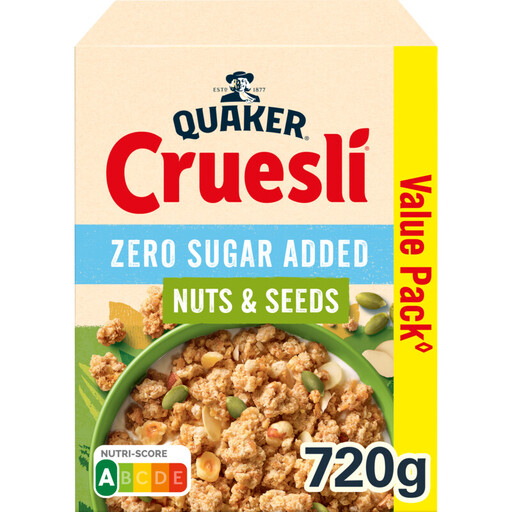 Image unavailable
Quaker Zs Cruesli Nuts & Seeds – 720 g
If you’re considering a larger pack of cruesli with nuts and seeds, compare the nutritional information per 100 g, allergens and best-before date with those of a smaller or similar pack before stocking up.
View on Joybuy
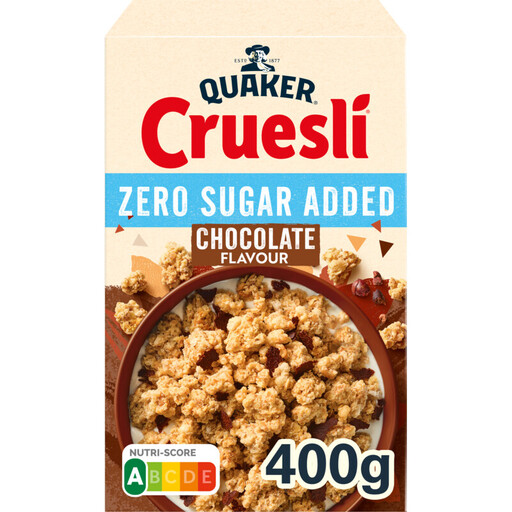 Image unavailable
Quaker Cruesli Choco Zero Sugar – 400 g
If you’d like to compare a chocolate-flavoured cruesli, consider the Zero Sugar claim alongside the current figures for total carbohydrates, sugars and fibre per 100 g.
View on Joybuy
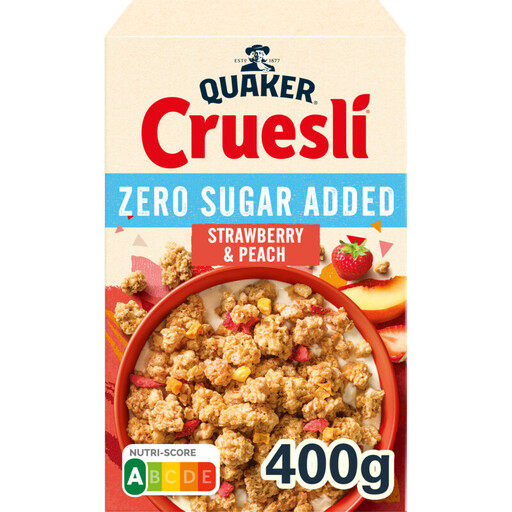 Image unavailable
Quaker Cruesli Zero Sugar Added Strawberry & Peach – 400 g
If you’re looking for a fruit-flavoured cruesli, check the ingredients as well as the product name, and compare the total carbohydrates and sugars per 100 g. Also check the current allergen information.
View on Joybuy
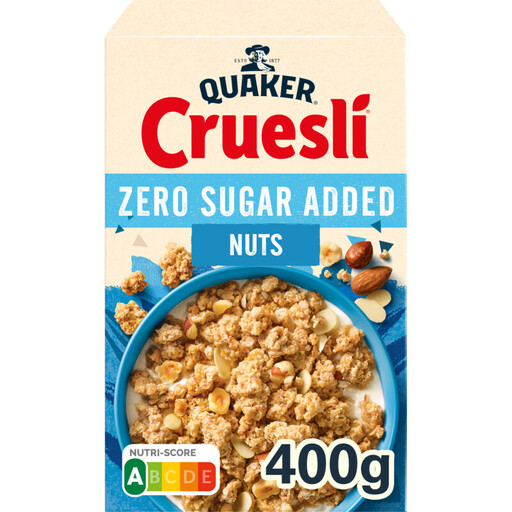 Image unavailable
Quaker Cruesli Nuts Zero Sugar – 400 g
If you’re considering cruesli with nuts, check the allergens on the current pack. Compare carbohydrates, sugars and fibre per 100 g too, rather than relying on the Zero Sugar claim alone.
View on Joybuy
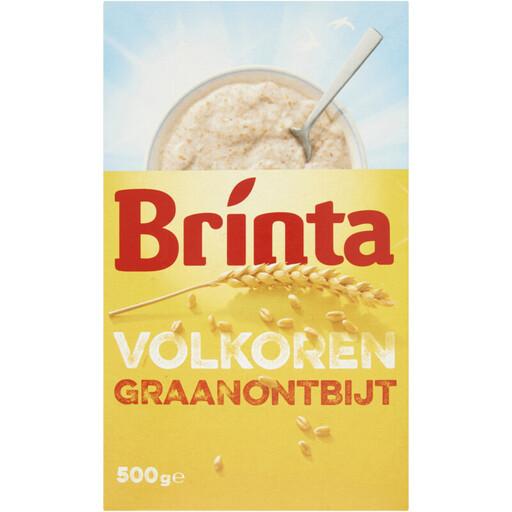 Image unavailable
Brinta Volkoren Graanontbijt – 500 g
For anyone who prefers a warm wholegrain cereal breakfast to crunchy flakes. Albert Heijn lists Brinta Volkoren Graanontbijt as 100% wholegrain wheat, with 10 g of fibre and 64 g of carbohydrates per 100 g. The product contains wheat and gluten. Remember to include your own portion in your comparison.
View on Joybuy
Frequently asked questions
Are low-sugar cornflakes automatically suitable if you have diabetes?
No. Sugar content alone isn’t enough to make that decision. Also compare total carbohydrates, fibre and your usual portion. The Diabetes Fund recommends that people with type 2 diabetes limit low-fibre cereals such as cornflakes as much as possible. It lists wholegrain breakfast cereals, porridge oats and muesli as options to consider.
How do I compare breakfast cereals with different portion sizes?
First compare the nutritional values per 100 g, then consider your own portion. The Netherlands Nutrition Centre recommends comparing products per 100 g, so different serving sizes on packs don’t determine which values you’re comparing.
Can I treat ‘diabetes-friendly’ as a guarantee that a product is right for me?
No. A claim on a pack doesn’t determine whether a breakfast suits your personal plan. Check the nutritional information and talk to your healthcare professional about questions on your carbohydrate intake and medication, as the Diabetes Fund advises.
What should I check on a large pack if I need to avoid certain ingredients?
Before buying, check the current ingredients and allergen information for the specific variety, including any ‘may contain’ warnings. Also check the best-before date and storage advice to decide whether a larger pack is practical for your household.


