What should you look for when choosing?
When choosing breakfast for a toddler, start with the ingredients and allergens. Then weigh up the convenience of individual sachets against measuring out a portion yourself.
| What to consider |
What to check when buying |
Who is this important to? |
| Ingredients |
Check whether the cereal is wholegrain and whether sugar or salt has been added. Also read the nutritional information per 100 g. |
If I regularly choose breakfast cereal for my toddler, I want to know exactly what’s in it. For around 50% of consumers, ingredients come first. |
| Portioning convenience |
Check whether the pack contains individual sachets or whether you’ll need to measure out a portion yourself. If it’s a selection pack, check which varieties it contains. |
On busy mornings, I want to be able to take a portion with me without packing the whole box. Around 30% of consumers give this convenience top priority. |
| Allergens and arrangements |
Read the allergens and any warnings on the current packaging. Make sure a portion you take with you meets any arrangements with your childcare provider or school. |
If my child has a dietary requirement or an arrangement with their childcare provider, I need to know whether this exact product meets it. This check matters most to around 20% of consumers. |
Breakfast cereals to portion yourself
These Joybuy products are granola and cruesli that you can portion yourself; they aren’t individual sachets of cornflakes. For a toddler’s breakfast, compare the current ingredients, nutritional information and allergens with your child’s needs.
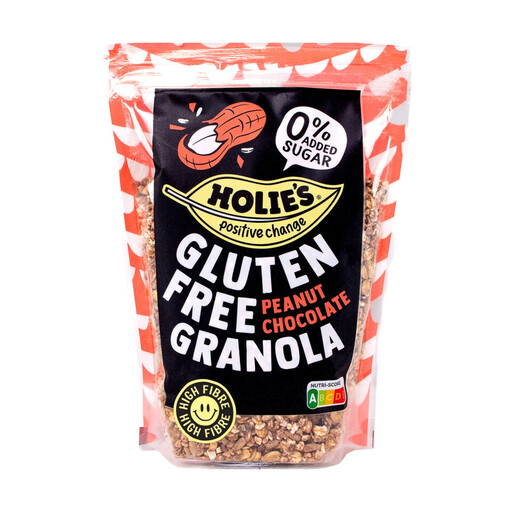 Image unavailable
Holie's Granola Glutenfree Peanut Chocolate 330 g
For anyone who prefers to measure out a portion of granola rather than use a ready-portioned sachet of cornflakes.
330 g pack. This is granola with peanuts and chocolate, not cornflakes. Check the ingredients and allergens on the current packaging; if you’re avoiding gluten, don’t rely on the product name alone.
View at Joybuy
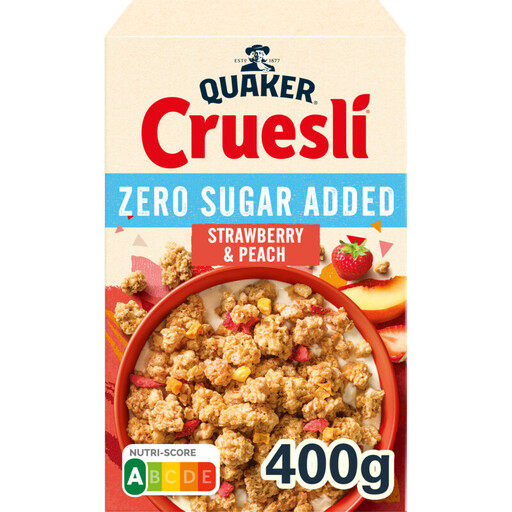 Image unavailable
Quaker Cruesli Zero Sugar Added Strawberry & Peach 400 g
For anyone who wants to measure out a portion of cruesli at home rather than buy cornflakes in individual sachets.
400 g pack. Cruesli is a different type of breakfast cereal from cornflakes. Check the current packaging for the ingredients, including any added salt, and the allergens; the product name alone isn’t enough to make that assessment.
View at Joybuy
Frequently asked questions
Are regular cornflakes suitable for a toddler’s everyday breakfast?
You can’t tell from the product name alone. For children aged 1 to 3, the Netherlands Nutrition Centre lists wholegrain breakfast cereals with no added sugar or salt as one option to alternate with bread at breakfast. Check whether the exact cornflakes meet these criteria.
Is a pack of individual portions a better choice for my toddler?
Individual portions can be more convenient to take with you, but they don’t change the ingredients. The Kellogg's Variety Pack shown by Albert Heijn contains eight portions of different breakfast cereals. Check the ingredients of the varieties you plan to use, or measure out a portion yourself from a suitable product.
Do cornflakes always contain gluten?
No, that isn’t true of all cornflakes. The regular Kellogg's Corn Flakes listed by Albert Heijn contain barley and cereals containing gluten; Albert Heijn also lists a separate gluten-free cornflakes variety. If you follow a gluten-free diet, always check the current label on the exact pack.
How can I take breakfast cereal I’ve portioned myself with me?
Put the measured portion in a clean, tightly sealed container and follow the storage instructions on the product packaging. Before packing it for your child, also check the allergens and any arrangements with their childcare provider or school.


