
Families who share breakfast
If several people in your household regularly eat the same cereal, a larger pack could suit your weekly shop. Just work out how much they actually eat and think about where you’ll keep the opened pack.


Only choose a large pack of cereal if your household will finish that variety within a reasonable time and you can store the opened pack properly. Then compare the nutritional values per 100 g, ingredients and allergens for the exact variety: a large pack or a wholegrain claim doesn’t tell you anything about its sugar content on its own.
If several people in your household regularly eat the same cereal, a larger pack could suit your weekly shop. Just work out how much they actually eat and think about where you’ll keep the opened pack.
If you’re shopping for several people, you can compare sugar, fibre and ingredients per 100 g, as well as flavour and pack size. According to the Diabetes Fonds, the amount of sugar in cereal varies by product and brand.
If someone in your family needs to avoid certain ingredients, the information for the exact variety matters more than the pack size. Also check the current packaging for warnings about the possible presence of allergens.
Start by working out how much of this variety your household will actually eat. Then choose a product that suits your breakfast routine and compare the labels before buying a larger supply.
| What to consider | What to check when buying | Who it matters to |
|---|---|---|
| Weekly supply and pack size | Compare the net weight with the number of people eating it, their portions and how often they have this particular variety. | If we often eat the same cereal together, I want to buy enough without leaving a bag open for too long. For around 36% of consumers, having the right amount for the week is the top priority. |
| Sugar, fibre and ingredients | Compare the nutritional values per 100 g and read the ingredients list for the exact variety. | When I choose one variety for the whole household, I want to assess what’s in it rather than judge it by the front of the pack. Around 29% of consumers put this comparison first. |
| Flavour and preparation | Decide whether your household prefers ready-to-serve muesli, crunchy cereal or porridge oats that need cooking. | A large pack isn’t much use to us if not everyone wants to eat it or has time in the morning to prepare it. Flavour and convenience are the main concerns for around 21% of consumers. |
| Allergens and gluten | Check the ingredients, allergen information and any warnings about possible presence on the current packaging. | If someone at home needs to avoid certain ingredients, I want to check that this specific product is suitable first; pack size comes later. This check is a priority for around 14% of consumers. |
A 900 g or 1 kg pack may suit a household with several people, but the pack size alone tells you little without knowing how much they actually eat.
Count how many portions of this variety your household eats in a week. If you’re unsure, start with a smaller pack, especially if people have different tastes.
If an opened pack is left for too long, its contents may become less appealing before you finish them.
These describe different things. Albert Heijn’s product information lists Nestlé Lion Cereals as containing 41% wholegrain wheat and 25 g of sugar per 100 g.
Compare the nutrition tables for the exact varieties and use the same 100 g basis when checking sugar and fibre.
Ingredients and warnings can vary between varieties. The Netherlands Food and Consumer Product Safety Authority says allergens must be clearly listed in the ingredients list.
Before buying, read the current ingredients list and allergen information for the specific pack. Don’t assume a product is suitable based on its type.
A product page may remain visible even if a variety is temporarily unavailable to order. This could affect your planned supply for the week.
When you place your order, check current availability, delivery options and product information.
Compare the details of the specific variety you want to buy; a brand name alone won’t tell you the pack size or what’s inside.
Offers crunchy cereals, including Extra Original in a 375 g pack.
Worth considering if your household is looking at a sweeter cereal variety such as Lion Cereals.
Cruesli is Quaker’s range of crunchy muesli, with a choice of flavours and pack sizes.
Brinta Havermout is an option for households who want to make hot porridge rather than serve cereal straight from the pack.
The own-label range includes several types of muesli, with some 1 kg options in the cereal category.
These products offer different ways to stock up on breakfast cereal for several days: a granola bundle, crunchy muesli and instant grain mixes. For the mixes, compare the weight of the breakfast portions separately from any glucose included; the total pack weight isn’t automatically the amount of oats.
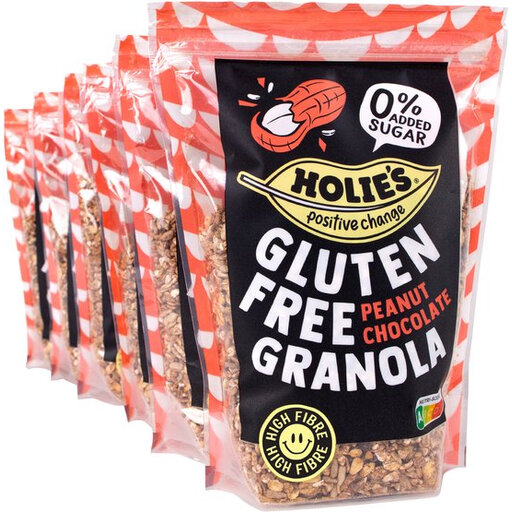 Image unavailable
A bundle to consider if several people in your household eat this granola. It contains six individual 330 g packs; check the current allergen information before use, particularly if you have a peanut or oat allergy. The product name alone doesn’t confirm whether it’s suitable for a gluten-free diet.
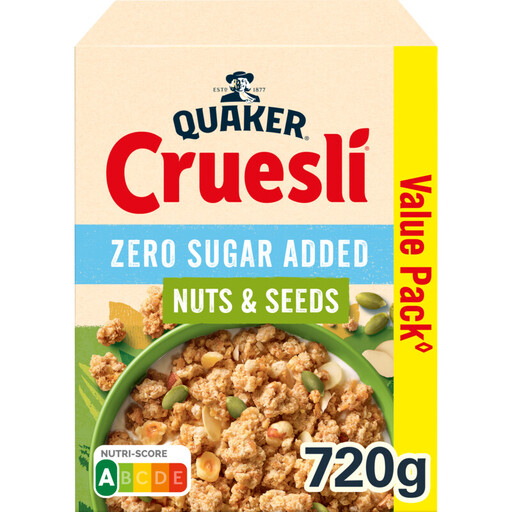 Image unavailable
A pack of crunchy muesli for households who want to share the nut and seed variety. Check whether 720 g suits your weekly consumption and, if you have allergies, read the current information about nuts, cereals and possible traces.
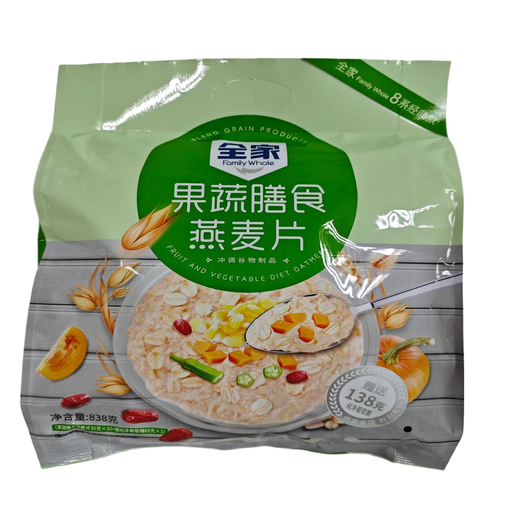 Image unavailable
An instant porridge mix to consider if hot porridge suits your breakfast routine. The pack lists 838 g, including a separate glucose component; when planning your weekly supply, use the amount of oat mix and check the preparation instructions and allergen information on the packaging.
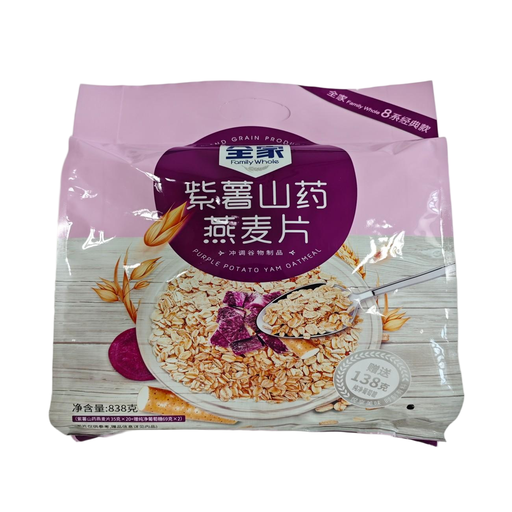 Image unavailable
An instant porridge mix for anyone wanting to prepare the purple sweet potato and yam variety. The stated total weight of 838 g includes separately packaged glucose; check the amount of mix when planning breakfast supplies and read the current allergen information.
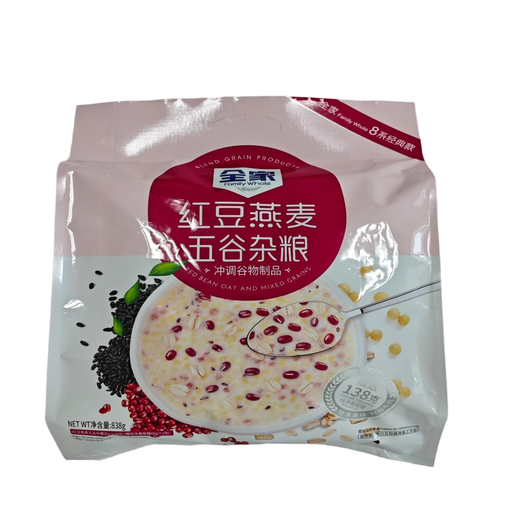 Image unavailable
An instant multigrain mix for households who want to prepare warm breakfast portions with the red bean variety. Compare the nutritional information for the mix and the separate glucose, and don’t count the glucose component as cereal.
Compare the net weight with how much everyone eating it will use. For example, Albert Heijn lists Brinta Havermout as 11 portions of 40 g in a 450 g pack, but use the portions your own household actually eats to work out what you need.
No. The proportion of wholegrain cereals and the amount of sugar are different details. Albert Heijn lists Nestlé Lion Cereals as containing 41% wholegrain wheat and 25 g of sugar per 100 g, so compare the nutritional values for the exact varieties.
Read the ingredients list and allergen information on the current packaging, including any warnings about possible presence. According to the Netherlands Food and Consumer Product Safety Authority, allergens must be clearly listed in the ingredients list; don’t rely only on a general product name or the front of the pack.
Follow the storage instructions on the packaging and seal an opened bag tightly. Joybuy’s product information for the Brinta Havermout and Quaker Cruesli Chocolade varieties reviewed recommends storing them in a cool, dry place; also check the best-before date on the pack you buy.