Don’t choose an individually wrapped sachet of cereal just because it’s convenient. Compare the carbohydrates, sugars and fibre per 100 g, then check how much is in the sachet. If fibre and a wholegrain base matter more to you than a ready-portioned serving, you could also consider cereal that you weigh out yourself.
Who is this relevant to?
Keeping an eye on carbohydrates at breakfast
You want a defined portion, but above all you want to know how many carbohydrates and sugars you’re actually eating. The nutritional information still matters, even when you choose an individually wrapped sachet.
Choosing flakes and keeping an eye on fibre
You enjoy flakes but also want to compare the grain base and fibre content. A wholegrain alternative may be worth considering if the flake shape matters less to you.
Taking breakfast with you and checking allergens
Individual sachets are handy when you’re on the go. If you choose an assortment of different varieties, check the ingredients and allergen information for the product you’re eating.
What should you look for when choosing?
The Netherlands Nutrition Centre recommends comparing breakfast cereals per 100 g first, then checking the nutritional values for the amount you actually eat. This helps you assess the convenience of a sachet separately from its nutritional composition.
| What to consider |
What to check when buying |
Who it’s most relevant to |
| Carbohydrates and sugars |
Compare both values per 100 g, then work out the amount in your own portion. |
At breakfast, I want to know how many carbohydrates are in my portion so I can take them into account in my diet. Around 46% of consumers prioritise this need. |
| Wholegrain and fibre |
Check the ingredients and compare the fibre per 100 g; the sugar content alone doesn’t tell you how high in fibre a product is. |
If I choose flakes, I also want to know whether a wholegrain base is a better fit for what I’m looking for. Around 36% of consumers prioritise fibre. |
| Convenient portions and allergens |
Check whether the portions are individually wrapped, how many grams you’ll eat and which allergens are listed on the packaging. |
When I’m on the go, I want to be able to take an individual portion with me and check the allergens in that variety. This convenience matters most to around 18% of consumers. |
Common mistakes
-
Assuming a small sachet has the right nutritional profile
An individual pack doesn’t tell you anything about its carbohydrates, sugars or fibre. According to Albert Heijn’s product information, the Kellogg's Variety pack contains eight portions and has 25 g of sugars and 4.2 g of fibre per 100 g.
Use the sachet as a serving size, but also check the nutritional values per 100 g and per sachet you eat.
-
Comparing sugars alone
Total carbohydrates and fibre content also matter. Diabetes Fonds gives cornflakes and crispies as examples of low-fibre breakfast cereals.
Compare carbohydrates, including sugars, as well as fibre and salt, and check whether wholegrain is an important ingredient.
-
Comparing stated portions like for like
Manufacturers choose the portion size they list. A smaller portion on the label doesn’t change the product’s nutritional composition per 100 g.
Compare similar products per 100 g first, then work out the values for the portion you actually eat.
-
Overlooking allergens in a mixed assortment
Different types of cereal in one assortment may have different ingredients and allergen warnings. Albert Heijn’s product information for the Kellogg's Variety pack lists cereals containing gluten and warnings about the possible presence of other allergens.
If you have an allergy or intolerance, read the allergen information on the exact packaging of the variety you choose.
Brands to consider
Kellogg's
According to Albert Heijn, the Variety pack contains eight individually wrapped portions; Kellogg's Cornflakes is also a standard flake cereal.
- The individual portions in the Variety pack are handy to take with you and offer a choice of different varieties.
- Check the exact product: Albert Heijn lists 25 g of sugars and 4.2 g of fibre per 100 g for the Variety pack, and 84 g of carbohydrates, 8 g of sugars and 3 g of fibre per 100 g for Kellogg's Cornflakes.
Albert Heijn
AH Cornflakes is a standard product in a 500 g pack, with a stated 40 g portion for you to weigh out yourself.
- The product information lets you check the ingredients, nutritional values and allergens.
- For AH Cornflakes, Albert Heijn lists 85 g of carbohydrates and 2.6 g of fibre per 100 g. A stated portion size doesn’t mean the flakes are individually wrapped.
Brinta
Brinta Wholegrain Cereal Breakfast is a different type of breakfast cereal to consider if the flake shape matters less to you.
- Diabetes Fonds gives Brinta Wholegrain Cereal Breakfast as an example when comparing breakfast cereals.
- Check the packaging and nutritional information for the variety you choose; this alternative isn’t the same as an individual sachet of cereal flakes.
Wholegrain alternatives on Joybuy
These breakfast cereals are options if you want to weigh out your own portion and are considering an alternative to individually wrapped flakes. Check the nutritional information and choose an amount that fits your own diet.
 No image available
Quaker Oatmeal 600 g
For anyone who wants to weigh out their own portion of oatmeal instead of choosing an individual sachet of flakes.
600 g pack. Check the nutritional values on the packaging for the amount you eat.
View on Joybuy
 No image available
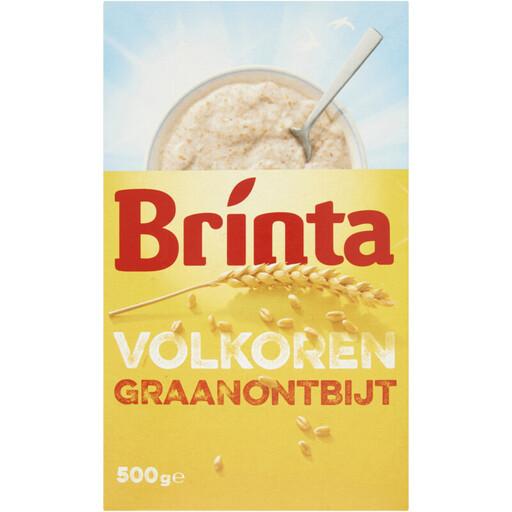
Brinta Wholegrain Wheat Cereal Breakfast 500 g
For anyone considering wholegrain wheat cereal as an alternative to individual portions of flakes and wanting to weigh out their own serving.
500 g pack. Read the nutritional information and ingredients on the packaging you choose before deciding on a portion size.
View on Joybuy
Frequently asked questions
Are individually wrapped flakes automatically a suitable choice if you have diabetes?
No. The packaging only tells you how much is in a sachet. Compare carbohydrates, sugars and fibre, and check how much you actually eat. For example, according to Albert Heijn’s product information, the Kellogg's Variety pack contains 25 g of sugars and 4.2 g of fibre per 100 g.
Should I compare breakfast cereal per portion or per 100 g?
Compare products per 100 g first. The Netherlands Nutrition Centre points out that manufacturers choose their own portion sizes; then work out the nutritional values for your sachet or weighed-out bowl.
How should I store an opened pack of flakes?
Follow the storage instructions on the exact packaging. Albert Heijn says to store AH Cornflakes in a cool, dark and dry place and close the pack tightly; the Kellogg's Variety pack should be stored in a dry place.
Can breakfast cereal claim to treat or prevent diabetes?
No. The Netherlands Food and Consumer Product Safety Authority says that medical claims for food are prohibited; a claim that a product treats or prevents diabetes shouldn’t appear on it.


