When choosing cereal with diabetes, don’t focus solely on a sugar claim: also compare the carbohydrates in a weighed portion, the fibre content and what you add to your breakfast. Under the Annex to EU Regulation 1924/2006, ‘sugar-free’ means no more than 0.5 g of sugars per 100 g; ‘no added sugars’ does not mean a product is sugar-free or low in carbohydrates. If you follow a personal carbohydrate or insulin plan, stick to the guidance agreed with your healthcare team.
Who might find these options useful?
Breakfast eaters keeping an eye on carbohydrates
Want to know how many carbohydrates are in your breakfast based on the portion you weigh out? Look beyond the sugar content of the cereal alone. Diabetes.nl highlights the importance of understanding how much carbohydrate you eat when you have diabetes.
Breakfast eaters looking for fibre
Comparing porridge oats, muesli or other cereals by their grain base and fibre content? Check the carbohydrates per portion too: a wholegrain product isn’t automatically low in carbohydrates.
Fans of crunchy cereal
If you’re looking for granola or cruesli with no added sugars, the nutrition table still matters. The claim alone doesn’t tell you how much sugar or how many carbohydrates are in your portion.
What should you look for when choosing?
Start with the amount you actually eat. Then compare the carbohydrates, sugars and fibre on the label; don’t assess a claim on the front of the pack separately from those figures.
| What to consider |
What to check |
Who it matters to |
| Carbohydrates per portion |
Check the carbohydrates per 100 g and calculate the amount in the portion you weigh out. Include additions such as milk, yoghurt or fruit in your breakfast. |
When I weigh out my portion, I want to know how many carbohydrates are in my whole breakfast. For around 42% of consumers, this would be their main concern when choosing what to buy. |
| Fibre and grain base |
Compare the ingredients and fibre per 100 g; also check the carbohydrates in your portion. |
Anyone mainly looking for a wholegrain base with fibre won’t want to choose based only on the sugar claim. Around 33% of consumers would prioritise fibre and the grain base. |
| Sugar claim and crunch |
Know the difference between ‘sugar-free’ and ‘no added sugars’. Also check ‘of which sugars’ and ‘carbohydrates’ in the nutrition table. |
I want crunchy granola or cruesli with no added sugars, but I also want to be able to assess the nutritional value. For around 25% of consumers, this combination would be their top priority. |
Common mistakes
-
Reading ‘no added sugars’ as ‘sugar-free’
These claims mean different things. Under the Annex to EU Regulation 1924/2006, the claim ‘sugar-free’ can be used for solid foods containing no more than 0.5 g of sugars per 100 g. A product with no added sugars may still contain sugars that occur naturally.
Check which claim appears on the packaging, and also read the sugar and carbohydrate figures.
-
Comparing sugars alone
Sugars aren’t the only carbohydrates in cereal. According to the Netherlands Nutrition Centre (Voedingscentrum), starch and fibre are also carbohydrates found in food.
Check the ‘carbohydrates’ figure for the portion you weigh out, and include the rest of your breakfast in the comparison.
-
Assuming wholegrain means low in carbohydrates
A wholegrain base and the amount of fibre are separate factors to consider; neither tells you how many carbohydrates are in your portion.
Compare both the fibre and the carbohydrates, and decide on the amount in line with the guidance for your own meals.
-
Relying on a label you read previously
Ingredients and nutritional information can change when a product is updated. Albert Heijn notes in its product information that dietary and allergy details may change too.
Check the current packaging again if the ingredients, nutritional values or allergens matter to your choice.
Brands to consider
Quaker
Quaker offers Cruesli Zero Sugar Added options for anyone looking for crunchy cereal with no added sugars.
- The Naturel and Strawberry & Peach options offer different flavours within this product range.
- ‘Zero Sugar Added’ doesn’t mean ‘sugar-free’, nor does it tell you how many carbohydrates are in a portion.
Brinta
Brinta Oatmeal is an option if you want a simple oat base instead of crunchy granola. According to Albert Heijn’s product information, this variety consists of 100% oat flakes.
- The ingredient description makes it clear which grain base you’re choosing in this particular variety.
- The amount of carbohydrates in your portion still matters, even with porridge oats.
Albert Heijn
The own-brand range includes wholegrain natural muesli and granola varieties with different descriptions of their sugar or carbohydrate content.
- You can compare the varieties by their grain base, ingredients and nutritional value, rather than relying on the product name alone.
- Check the current packaging: Albert Heijn says product information may change when products are updated.
Cereal on Joybuy
These products represent three different breakfast options: porridge oats, a wholegrain wheat cereal and crunchy granola. For each option, compare the current nutritional information and calculate the figures for the portion you use; the product name alone can’t tell you whether it fits your personal plan.
 Image unavailable
Quaker Oatmeal 600 g
An oat option for anyone who wants to weigh out their own portion of cereal. Compare the carbohydrates, sugars and fibre on the current packaging; don’t describe oats as sugar-free unless the specific variety meets the requirements for that claim.
View on Joybuy
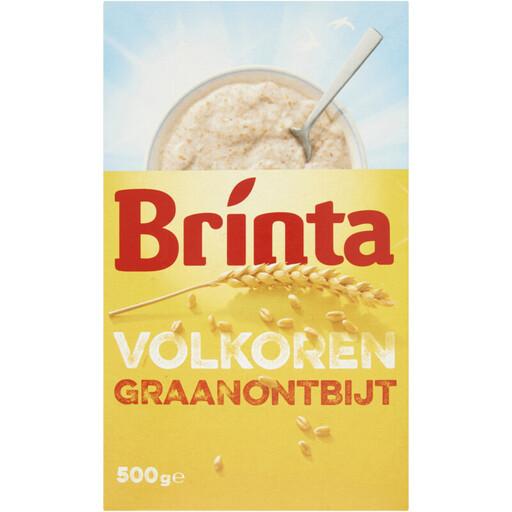 Image unavailable
Brinta Wholegrain Wheat Breakfast Cereal 500 g
A wholegrain wheat option for anyone looking for that type of grain base. This isn’t the same variety as Brinta Oatmeal; check the nutritional values for this product and the carbohydrates in your own portion.
View on Joybuy
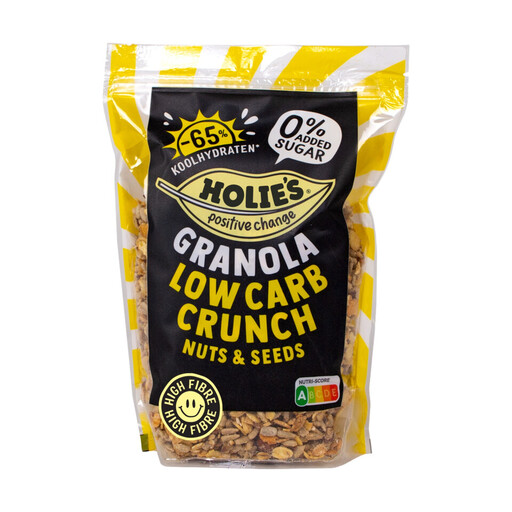 Image unavailable
Holie's Granola Low Carb Crunch 350 g
A granola option for anyone looking for crunchy cereal. Assess the carbohydrate and sugar figures on the label rather than assuming what your weighed portion contains from the words ‘Low Carb’; check the current allergen information too.
View on Joybuy
Frequently asked questions
Does ‘no added sugars’ mean the same as ‘sugar-free’?
No. Under the Annex to EU Regulation 1924/2006, solid foods labelled ‘sugar-free’ must contain no more than 0.5 g of sugars per 100 g. ‘No added sugars’ refers to whether anything has been added to sweeten the product; sugars that occur naturally may still be present.
Is sugar-free cereal automatically suitable if you have diabetes?
No. The sugar claim doesn’t tell you how many total carbohydrates are in a portion. Compare the product’s nutritional information with the amount you eat, including anything you add to your breakfast.
How do you choose a portion of cereal if you have type 1 diabetes?
A general product name or sugar claim can’t tell you which portion is right for you. Diabetes.nl explains that people with type 1 diabetes often count carbohydrates; agree your portion size and any insulin adjustments with your healthcare team.
Why check the label again for the same product?
Because the ingredients and nutritional information can change. Albert Heijn recommends checking the packaging for the latest ingredient, nutritional value and allergen information.


