
Anyone filling small advent calendar compartments
You want to put out one treat a day without opening a larger pack or portioning it yourself. So check both the individual packaging and the dimensions of the filled bag or bar.


For an advent calendar compartment, start by choosing a portion that you can store unopened and that will actually fit inside. A cereal bar could work if it is individually wrapped; a bag containing two biscuits is an alternative if a two-biscuit portion suits your plan. Then check the ingredients, allergens and nutritional information per portion on the packaging: the product name or a claim on the front won’t tell you enough.
You want to put out one treat a day without opening a larger pack or portioning it yourself. So check both the individual packaging and the dimensions of the filled bag or bar.
A bag or bar makes it clear what you’re taking from the pack for one snack. Do check what’s inside, though: according to Jumbo and Albert Heijn, a bag of Lotus Biscoff Speculoos XL contains two biscuits, not one.
You’ll want to check the ingredients and allergens before filling the calendar. Read the current packaging: the Netherlands Food and Consumer Product Safety Authority highlights the importance of allergen information on prepacked food labels.
First decide whether you want one bar, one biscuit or a bag containing several biscuits for each advent calendar day. Then compare only products whose portion size, label and dimensions you can check against your calendar.
| What to consider | What to check before buying | Who it matters to |
|---|---|---|
| Portion and size | Count the sealed bags or bars and compare their dimensions with the advent calendar compartment. According to Jumbo and Albert Heijn, Lotus Biscoff Speculoos XL contains ten bags, each with two biscuits. | If I want one sealed treat per compartment, the whole portion needs to fit, with nothing left over. Around 42% of consumers put this type of portion first. |
| Ingredients and allergens | Read the ingredients and allergen information on the current packaging; check any dietary claim separately. | When I’m buying for someone with an allergy or dietary preference, I want to know what they’ll be eating before filling the calendar. This label check is a priority for around 33% of consumers. |
| Nutritional information | Compare sugars, saturated fats, fibre and salt per 100 g and per portion actually eaten. The Netherlands Nutrition Centre recommends comparing products using the values per 100 g. | When I deliberately choose a treat, I want to know what’s in one bar or bag rather than relying on the front of the pack. This comparison is the main concern for around 25% of consumers. |
A pack of six bars doesn’t necessarily mean that each bar has its own wrapper. An individual bag may also be too big for a small advent calendar compartment.
Check how many sealed portions there are and compare their dimensions with your calendar before buying several packs.
A claim such as ‘less sugar’ or ‘vegan’ doesn’t tell you everything about a whole portion or which allergens it contains.
Read the ingredients list and compare the nutritional information per 100 g and per portion on the packaging.
According to the product information from Jumbo and Albert Heijn, Lotus Biscoff Speculoos XL is suitable for vegans, but contains wheat and soya.
If you have an allergy, check the current allergen information on the exact pack you plan to use.
An online product page doesn’t guarantee that you’ll be able to get the packs you need when it’s time to fill your calendar.
Check current stock and delivery or collection options before building your calendar around one product.
Speculoos biscuits available in different pack formats. For a single advent treat, the portion format of the XL version is particularly relevant.
Lidl’s own brand, with biscuits, waffles and bars among its products; Lidl also lists vegan options in its range.
Aldi’s own brand, with different types of biscuits and pack formats for anyone putting together their own advent treats.
A brand with cereal bars, including a pack of Koekrepen Minder Suiker containing six bars.
This selection includes cereal bars, biscuits and wafers in a range of pack formats. Only choose a product for a small advent calendar compartment once you’ve checked that the individual portion, packaging and size work for your calendar.
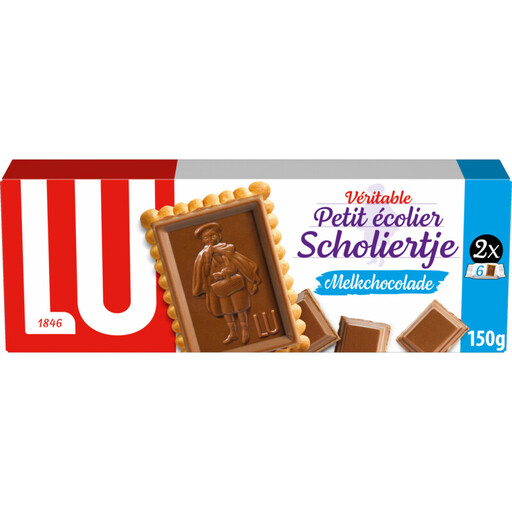 Image unavailable
An option if you’d like to spread biscuits with milk chocolate across several advent treats. Check how many biscuits are in each sealed portion and whether it will fit in your compartment.
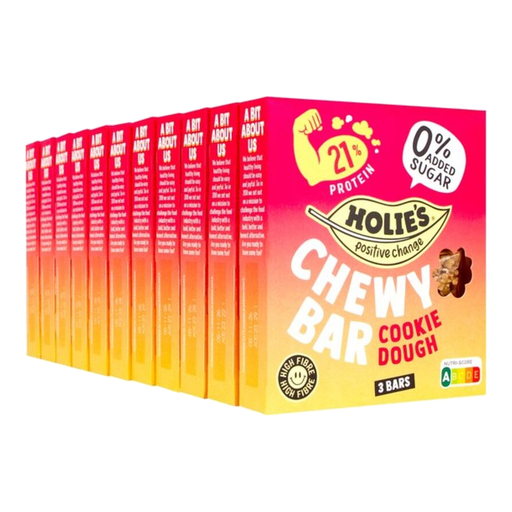 Image unavailable
A bar-shaped option if you’d rather add a cereal bar than biscuits to the calendar. The product name lists 11 packs of 3 bars; check whether each bar is individually wrapped and how big it is.
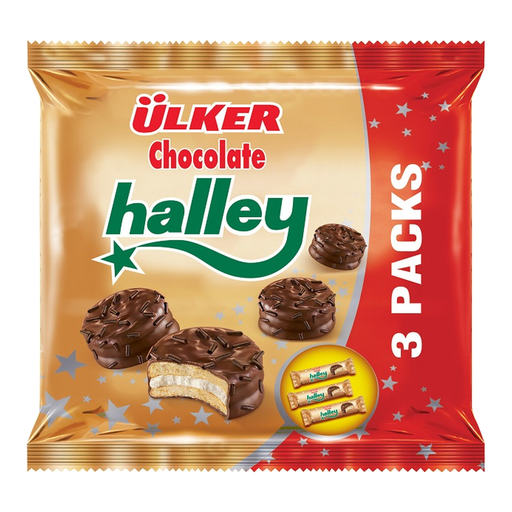 Image unavailable
A biscuit option if you’d like to split a pack across several advent treats. The pack contains 3 × 77 g; check how the individual portions are divided up and how big they are.
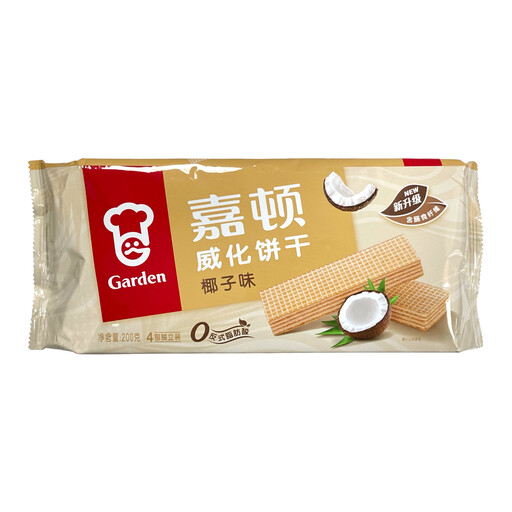 Image unavailable
An alternative if wafers would also make a suitable advent treat; these aren’t cereal bars. For this 200 g pack, check how many sealed portions it contains and whether one portion will fit in the compartment.
 Image unavailable
An option for two separate treats if a whole pack will fit in each compartment. According to the product name, the 97 g pack contains two individual packs; check how many biscuits are in each one.
Compare the dimensions of the individually wrapped bar with the inside measurements of the compartment. The number of bars per pack isn’t enough to go on: for example, Lidl lists six cereal bars per pack, but that doesn’t mean each bar has its own wrapper.
Yes, if you want to use two biscuits for that treat and the sealed bag fits in the compartment. According to Jumbo and Albert Heijn, Lotus Biscoff Speculoos XL contains ten bags, each with two biscuits, so it isn’t a one-biscuit portion.
No. According to Jumbo and Albert Heijn, Lotus Biscoff Speculoos XL is listed as suitable for vegans, but it contains wheat and soya. If you have an allergy, always check the allergen information on the current packaging.
No. That claim alone doesn’t tell you the full nutritional value. Compare the nutritional information per 100 g and per portion, and read the ingredients too. The Netherlands Nutrition Centre recommends using the values per 100 g when comparing products.